Eoleaf's AltaPur 700 vs. Shark air purifier: Which one truly delivers clean air?
In our modern world, we are constantly exposed to a wide range of air pollutants that can affect both short- and long-term health. As awareness of these risks has grown, indoor air quality has become a major concern for households and businesses alike. The air purifier market has expanded rapidly in response, resulting in a vast array of products that vary widely in price, size, technology, and design. For consumers, this abundance has made it increasingly difficult to distinguish meaningful performance differences from marketing claims, and, thus, to make an informed decision.
Large multinational electronics brands such as Dyson, Philips, and Shark have all jumped on the air purifier bandwagon in recent years in order to capitalize on the massive consumer interest in indoor air quality. In this article, we compare the Shark NeverChange MAX air purifier with Eoleaf’s most powerful model, the AltaPur 700, examining how their respective design philosophies, certifications, and performance metrics translate into real-world air purification. How do they compare? Read on to learn more.

Shark: a brand known for floor care
Shark (SharkNinja) established its brand by using aggressive marketing and high-airflow designs to upend the floor care (namely vacuum and hoover) industry. It made the strategic decision to enter the air purification market in 2021 during COVID-19 in order to apply its vacuum filtration expertise at a time when respiratory anxiety was at its highest. During the pandemic, the market underwent a significant shift with the emergence of "consumer-grade" and trendy appliances, which often became more popular than established and recognized brands that actually specialized in air pollution. Brands like Shark successfully capitalized on a public health issue through aggressive marketing and promotional offers, transforming a fundamental need (breathing clean air) into a mere commercial opportunity.
Shark offers between eight and ten models of air purifier. It offers its NeverChange series with claims that the filter lasts up to five years, as well as its standard line of air purifier: the Clean Sense series. Shark also sells 3-in-1 air purifiers that are marketed as air purifier, heater, and fan (read more about why we do not recommend investing in an air purifier that also serves as climate control here and here). This article will be focusing on the Shark NeverChange MAX air purifier, their largest and most powerful model.
Filtration power and air quality: which device performs best?
Shark NeverChange MAX air purifier
Which types of pollutants does the Shark NeverChange MAX air purifier claim to filter? Its filtration technologies are as follows:
Pre-filter (DebrisDefence)
Shark refers heavily to what they call their “DebrisDefence” technology which is, according to Shark, one of the main reasons that their HEPA filter does not require more frequent filter changes (they claim that their filters only need changing once every 5 years!). In reality, this simple filter (also known as a pre-filter) is found in most air purifiers, even the most basic ones, and is used to protect the filter(s) from coarse particles.

Pet particle barrier
Shark does not provide much of a description on their pet particle barrier, but it is likely a second pre-filter with a finer mesh. It is designed to keep out pet hair and dander.
Activated carbon filter
It is at this layer where we start to spot holes in the quality of air purifiers manufactured by large electronics brands like Dyson, Philips, and Levoit. Shark is no exception. Activated carbon filters vary significantly in quality, weight, and composition. These factors determine an activated carbon filter’s capacity to target and store chemical pollution (like volatile organic compounds, or VOCs, and unpleasant odors). Typically, these brands use a thin sheet carbon design that offers very little when it comes to protection from chemical pollution. The difference can be felt in the weight: an air purifier’s filter should be large and heavy. The heavier it is, the more activated carbon it contains, and the more durable and longer-lasting it is.
Very little information regarding Shark’s activated carbon filter is made available to the public: we do not know how much their activated carbon filter weighs, which types of biomass are used to make it (bamboo/coconut shells/corncobs?), or even the activated carbon’s surface area. It is worth noting that activated carbon filters saturate much faster than particle filters (like HEPA filters) do: many brands require changing their activated carbon filter on an entirely separate schedule, typically every 3-6 months. Continuing to use saturated activated carbon is not only useless in combatting and absorbing chemical pollution but could also pose a danger to the user. Instead of capturing and storing VOCs in the pores of its activated carbon lattice, a saturated filter can actually re-release the pollutants it has previously captured. This is highly concerning given that Shark claims that their filters only require changes once every 5 years. It is extremely likely that the activated carbon filter will be spent long before then.
Shark has anticipated this: they know that the activated carbon filter will stop working well before a filter change is required. To compensate, they have equipped their MAX air purifier models with an “Odor Neutralizer Technology”. Within an air purifier, activated carbon is the powerhouse in the removal of unpleasant odors. When it becomes saturated, naturally, odors are no longer removed from your indoor air. In order to mask a saturated activated carbon filter that fails to trap unpleasant smells from customers, the Odor Neutralizer Technology emits fragrances into the air - in the MAX model, it is “Ocean Breeze”-scented. Many customers have described it as an unpleasant, strong, Old Spice-remininscent fragrance that is emitted into their indoor air. This reduces the perception of unpleasant odors by replacing them with another fragrance, tricking the customer into thinking that the activated carbon filter is still working.
It is important to mention that the Shark Odor Neutralizer Technology is, ironically, a pollutant in itself! Fragrances, cosmetics, cleaning products, scented candles, and other scented products are all sources of VOCs. The idea of adding a source of indoor air pollution to a device that is intended to eliminate indoor air pollution seems… counterintuitive. This could even be a potential symptom trigger for those who suffer from asthma, migraines, or Multiple Chemical Sensitivity (MCS).
The benefits of Eoleaf air purifiers:
-
Quiet yet powerful devices (up to 670 m3/hr)
-
Discreet and elegant design
-
Easy to use (equipped with Automatic mode) and does not require installation or assembly
-
Can be placed anywhere in your space thanks to our 360° technology
-
Real-time air quality data
-
Filters 99.97% of pollutants using unique and innovative filtration technologies
NanoSeal HEPA
Yet again, we find ourselves facing another brand that patents its own HEPA filtration system. This is one of the several creative methods that brands have implemented to evade industry HEPA standardization. A couple of other examples in the industry include:
- BlueAir’s HEPASilent technology. In an effort to avoid industry HEPA standardization and certification, certain brands choose to patent their own standard and can, as a result, make unsubstantiated claims because there are no third-party checks in place to verify their devices’ efficacy. Shark’s NanoSeal HEPA technology is another example of this practice.
- Levoit making claims of being certified HEPA but, upon being called out for false advertising and deceptive practices by Dyson, quickly removing all mentions of certification or “true HEPA”). It appears that Shark is following in Levoit’s footsteps: once having marketed their products as “True HEPA”, any mentions of “true” or “certified” seem to have magically disappeared from their websites and product pages.
As of January 2026, Shark air purifiers do not appear to adhere to HEPA certification under the EN1822. Why does this matter? Without HEPA certification, claimed efficiency cannot be guaranteed because it has not been evaluated or verified by a third party. HEPA is an essential standard in the air purification industry: without it, air purifier manufacturers can make broad claims. In Shark’s case, their claims rely exclusively on proprietary test conditions rather than externally enforced standards.
Now focusing on the “seal” aspect of NanoSeal: the goal of this is to show the consumer that their air purifiers are designed to be sealed and leak-proof, blocking any trapped air pollutants from escaping and reentering the user’s space. Poorly-designed air purifiers can leak air around the edges of the filter rather than passing the air through the filter (referred to as “air bypass”). High-quality air purifiers, like Eoleaf’s, usually are and should always be tested and verified for any potential leaks.

Eoleaf’s AltaPur 700 air purifier
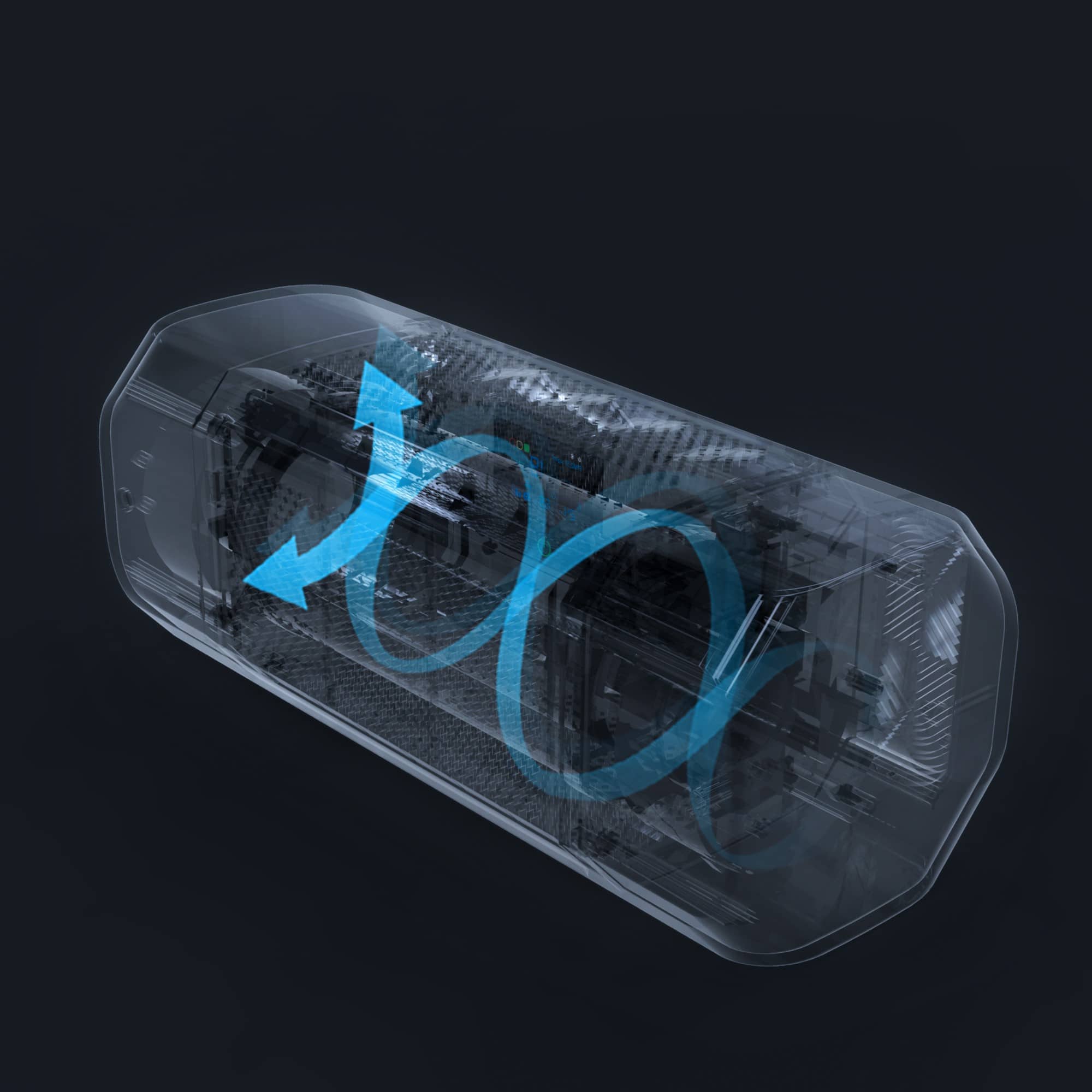
Eoleaf takes a fundamentally different approach, one driven by scientific studies and multiple certifications by independent bodies. Eoleaf air purifiers consist of an 8-step air purification technology. We never use unnecessary marketing terms or other gimmicks.: we simply combine the best and most efficient technologies available that have been backed by science. This includes:
- A pre-filter: as mentioned above, this is an important step in protecting your primary filtration media, thereby extending the life of your air purification filters and device as a whole.
- Natural bamboo fiber filter: bamboo is a natural material with a complex microstructure, providing excellent particle filtration properties.
- Lysozyme and silver ion coating: lysozyme is a molecule naturally present in the immune system that is highly effective against microbes. Silver ions are known for their antibacterial and antifungal properties.
- Medical-grade HEPA H13-certified filter: widely considered as the “gold standard” of air purification. This filter has been verified by a third party for its ability to remove 99.97% of all air pollutants down to 0.01 microns in a single pass. This includes fine and ultrafine particles like PM10, PM2.5, and PM0.1.
-
Activated carbon filter: our activated carbon filters are heavy, durable, and built to last a whole year. This filter layer removes airborne chemical pollution like VOCs, ozone, radon, and carbon monoxide. It also targets unpleasant odors. For full transparency (a rarity in the air purification industry), we make the weights of our activated carbon available to the public:
- NeoPur 400: contains 400 g of activated carbon
- TeraPur 600: contains 640 g of activated carbon
- AltaPur 700: contains 1280 g (1.28 kg!) of activated carbon
- Photocatalysis technologies: this is another filtration technology that targets chemical pollution. It combines UV (ultraviolet light rays) and a titanium dioxide catalyst to create free electrons. These free electrons are very reactive and quickly bind to VOCs and harmful gases.
- Ultraviolet (UVC) sterilization: an essential technology that should be included as part of any high-quality air purification system (but rarely is). UVC sterilization is an extremely effective sterilization method against all germs, but it also serves the essential purpose of sterilizing your filter to make it safe for handling. Without UVC sterilization, your filter becomes a hotbed for germs (the pollutants captured by your filter don’t just disappear, after all!), creating a serious risk for recontamination during filter changes.
- Ionisation: negative ions are diffused in the ambient air and react with the pollution particles present in the air (which are positively charged). This then degrades or destroys them. Ionisation is particularly effective against smoke and fine particles.

Filter changes and efficiency
Shark NeverChange MAX air purifier
Filter changes
One of the biggest surprises during our research on Shark air purifiers was the claim that their NeverChange air purifiers only require filter changes once every 5 years (hence the “NeverChange” name in this series of air purifiers). This is a basic constraint of physics and airflow engineering: air purifier filters wear out because they fill up.
A quantifiable amount of air is moved through the filter of every air purifier. A quantifiable mass of pollutants, including dust, pollen, combustion residues, fine particles (PM2.5 and PM10), allergens and chemical pollutants, are present in that air. These particles build up inside the filter material over time. Two things occur when the filter loads:
- The fan has to work harder to force air through the blocked medium as airflow resistance rises.
- Airflow diminishes, noise levels rise, or energy consumption rises when effective clean-air delivery declines.
A small household filter cannot store pollutants continuously without causing problems. Therefore, concessions must be made. In the case of the Shark NeverChange MAX and other air purifiers of this series, the concession is diminished airflow (lower CADR). Air purification is slowed down because fewer particles are collected each hour.
This exact information is written clearly to the consumer on the Shark NeverChange MAX air purifier product change, but only if you read the fine print (*) which states:
“DURABLE FILTER: No need to replace your filter for 5 years (tested according to GB/T18801-2015 P.CCM, based on a 50% drop in CADR, 12m2 cleaning surface and 12-hour daily operation at maximum fan speed).”
What does this mean? Essentially, the filter for the Shark NeverChange MAX air purifier will last for 5 years but under the following conditions:
- It will only treat a space limited to 12 m2 (130 sq. ft.)
- CADR (Clean Air Delivery Rate, an essential metric and standard used by the air purification industry to allow customers to compare filtration power and capacity; read more below) will be reduced by 50%
- You must not leave the device running for more than 12 hours daily
- You must have extremely low levels of pollution including the absence of common indoor sources like cooking, candles, pets, or outdoor traffic
Obviously, the above conditions are unrealistic and makes purchasing this type of air purifier essentially useless in combatting indoor air pollution.
Coverage area
The Shark NeverChange MAX air purifier product page states that the coverage area of this device is 130 m2 (1400 sq. ft.) but that running this air purifier in a room of this size only achieves an ACH (Air Changes per Hour, a metric which refers to the number of times that polluted air is completely replaced by purified air) of 1. The recommended industry standard minimum, as specified by the WHO and EPA, is 3, meaning that in order for an air purifier to be considered effective, it must replace the air in a space at least three times per hour. Anything less than that is considered significantly less effective. This is completely logical: imagine someone sneezing in a room of this size and the air purifier requiring a full hour to remove germs generated from that sneeze that were emitted into the air! In reality, to achieve the minimum industry standard of an ACH of 3, this air purifier is not designed for a space any larger than 44 m2 (470 sq. ft.). To provide a comparison, this is just about the same coverage area of our NeoPur 400, our smallest model.
Referring back to the filter change section above, this coverage area is reduced to less than a tenth of that size (12 m2 or 130 sq. ft.) if you use the filter for 5 years.
CADR
As mentioned above, CADR is another industry standard that Shark does not publish. Publishing CADR (Clean Air Delivery Rate) is crucial because it is the sole standardized method to demonstrate that an air purifier actually works. Without CADR, customers are forced to simply rely on a manufacturer's claims that their "strong" fan and "unique" filter are genuinely cleaning the air. CADR is assessed by the AHAM (Association of Home Appliance Manufacturers), an unbiased third-party organization. By making CADR available, a brand enables you to compare the efficiency of a cheap air purifier with one that may be three times the price on a level playing field.
Dyson, for example, also does not publish CADR, claiming that the CADR metric is “insufficient”. Instead, they rely on their own patented test, the “POLAR test”. We have been openly critical of this practice that enables Dyson to avoid direct performance comparisons with other brands. In our professional opinion, the lack of publishing of CADR is only done by brands that have something to hide.
Eoleaf’s AltaPur 700 air purifier
At Eoleaf, transparency is a core principle. All Eoleaf air purifiers are designed around a predictable and realistic maintenance schedule, with filter replacement recommended once per year (approximately every 12 months). Our filters are large, heavy, and engineered to maintain performance under continuous use rather than to maximize headline longevity claims.
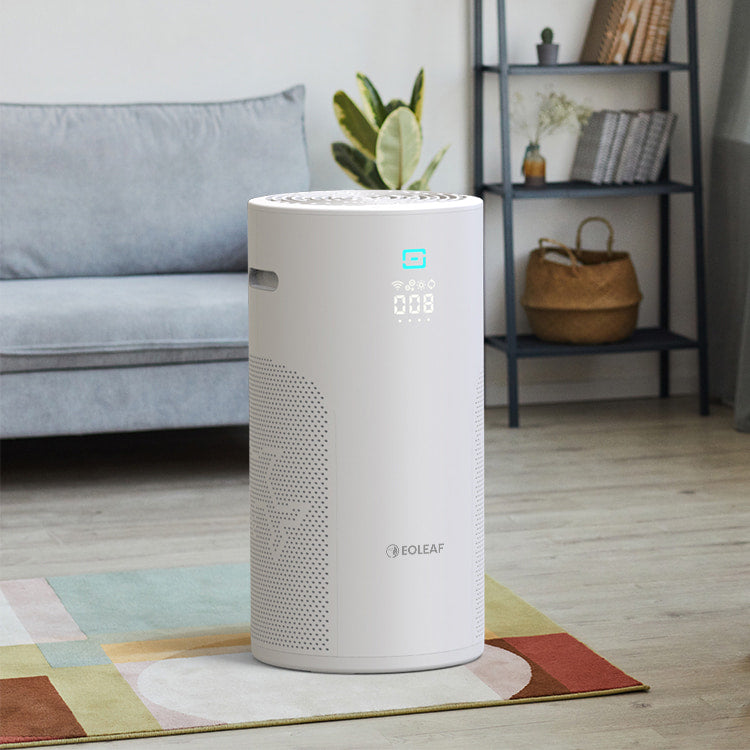
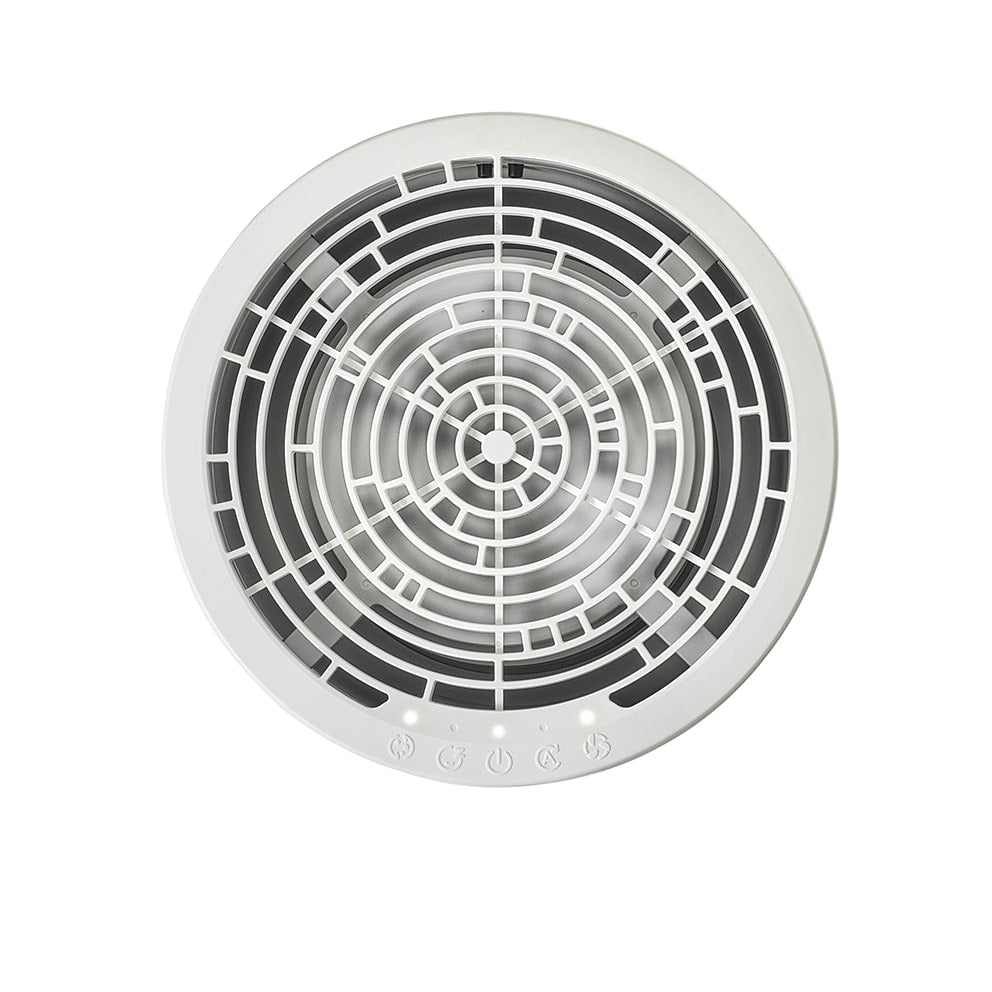
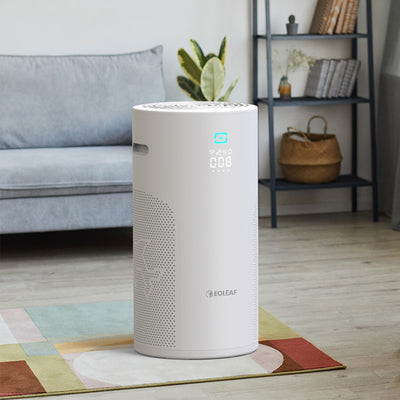
NeoPur 400 air purifier
40 m² (450 sq ft) coverage area - Smart & Connected
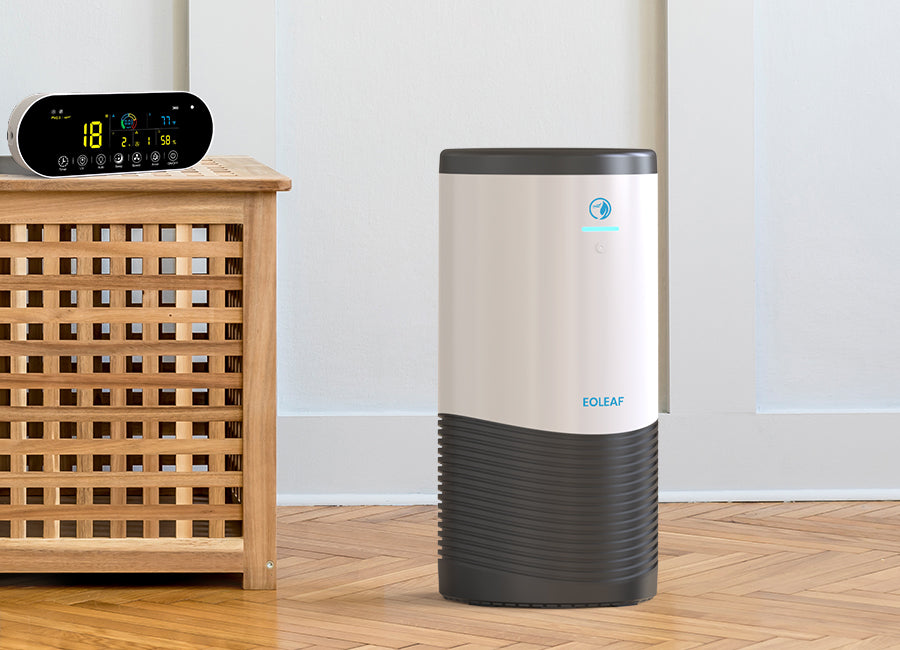
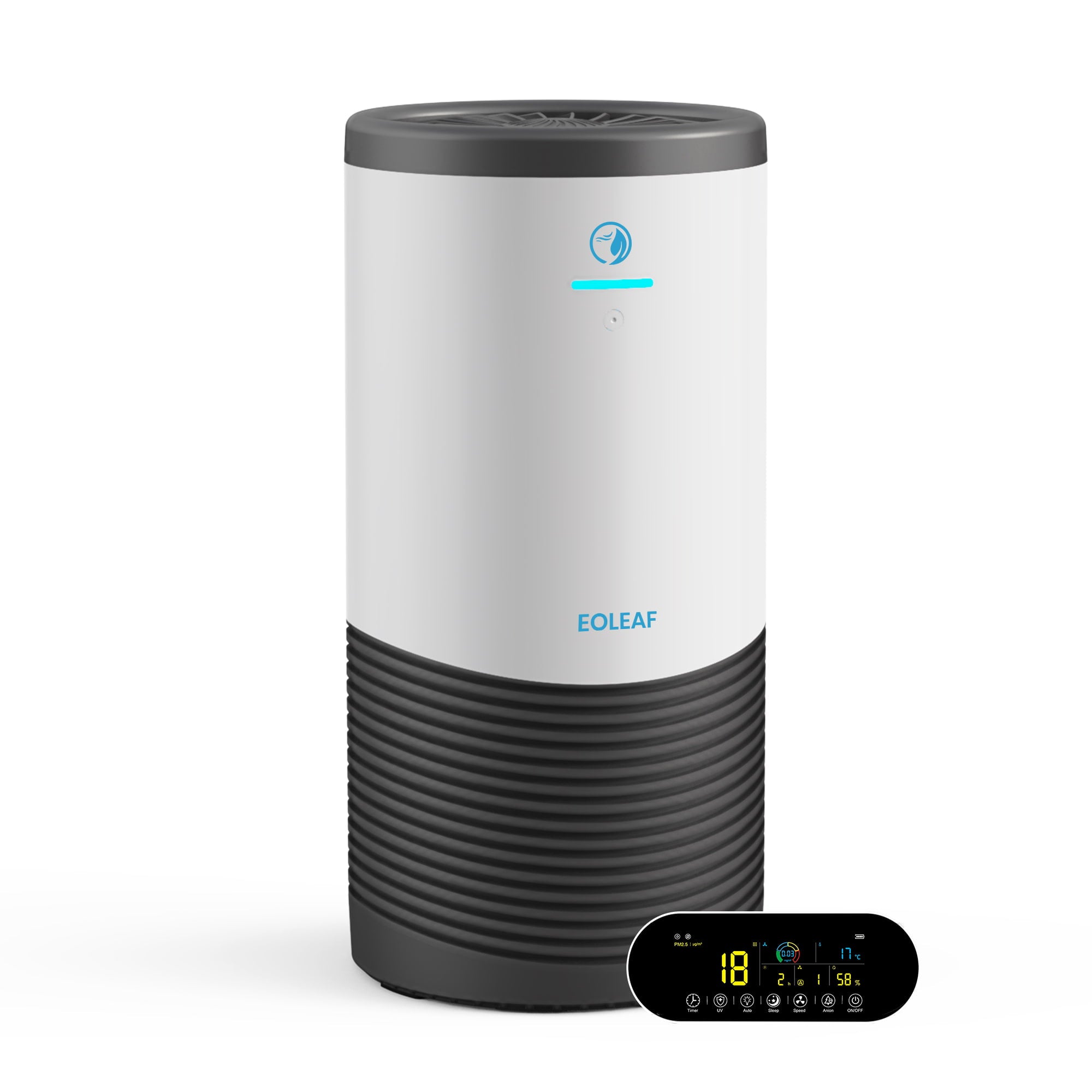
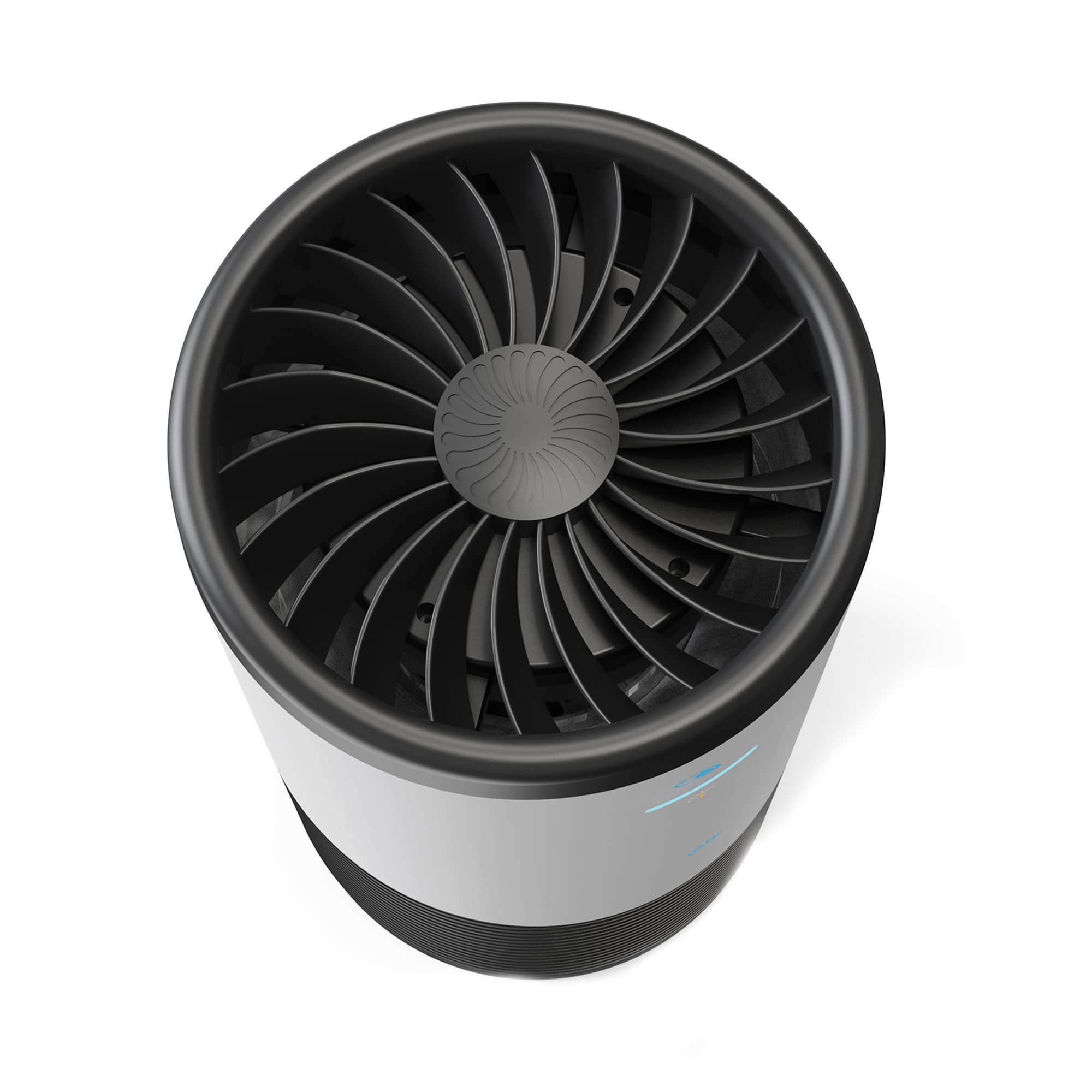
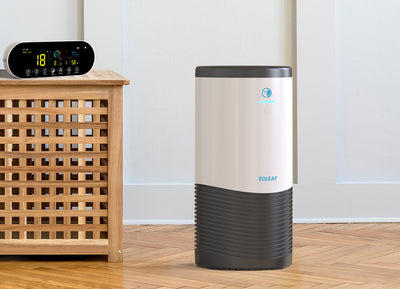
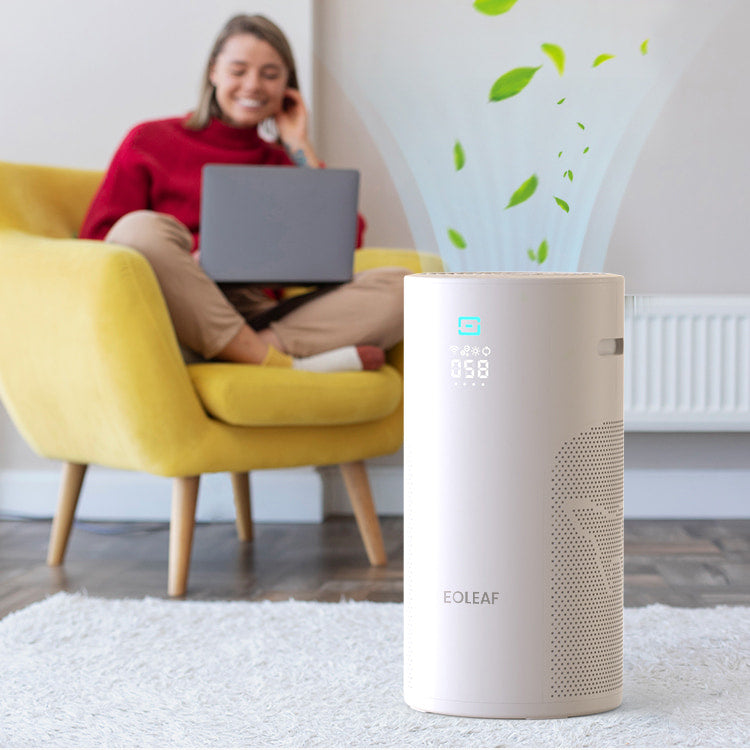
TeraPur 600 air purifier
80 m² (850 sq ft) coverage area - Ultimate all-in-one
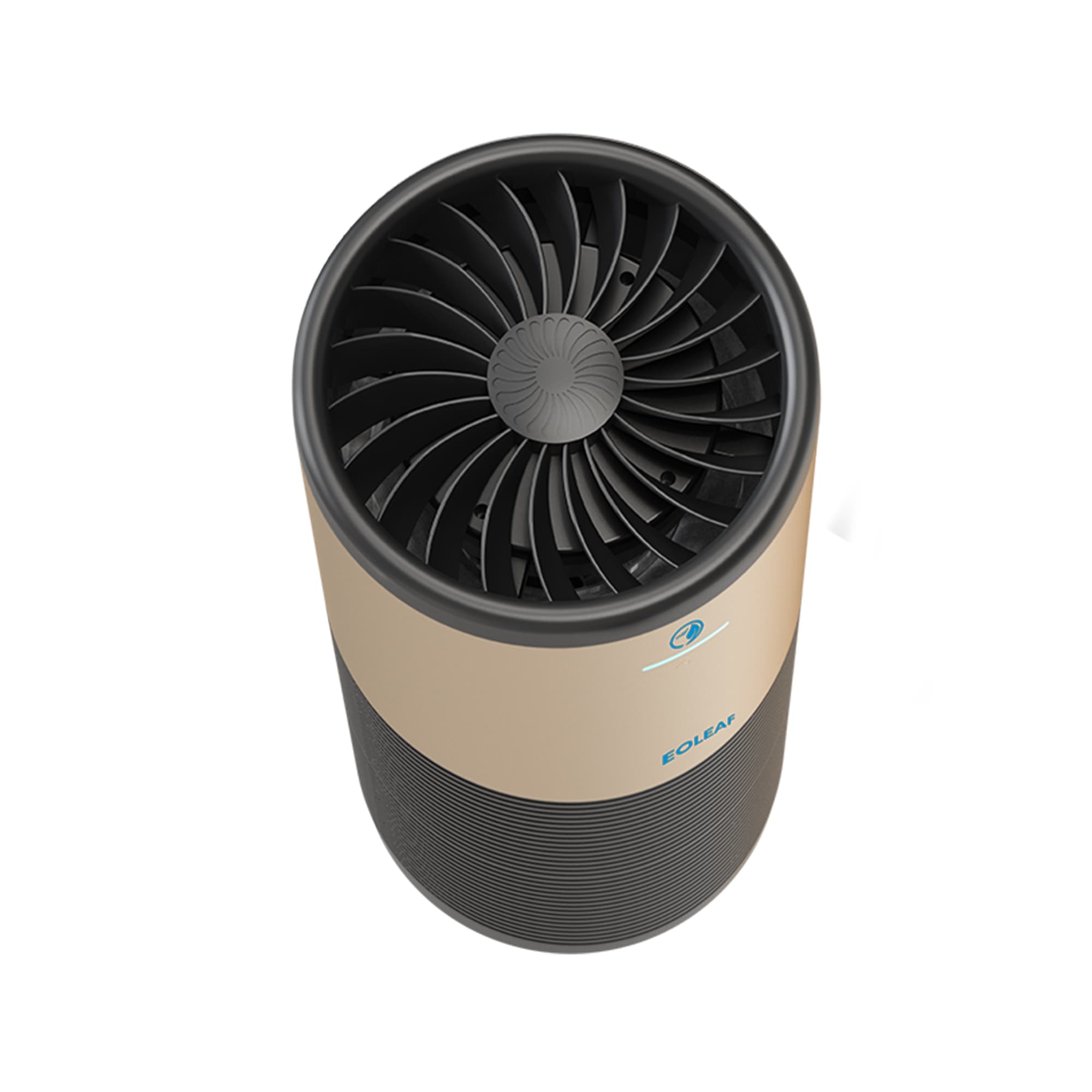
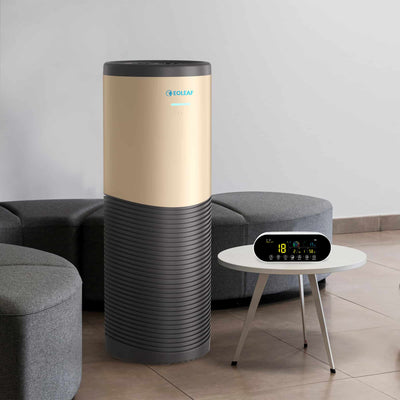
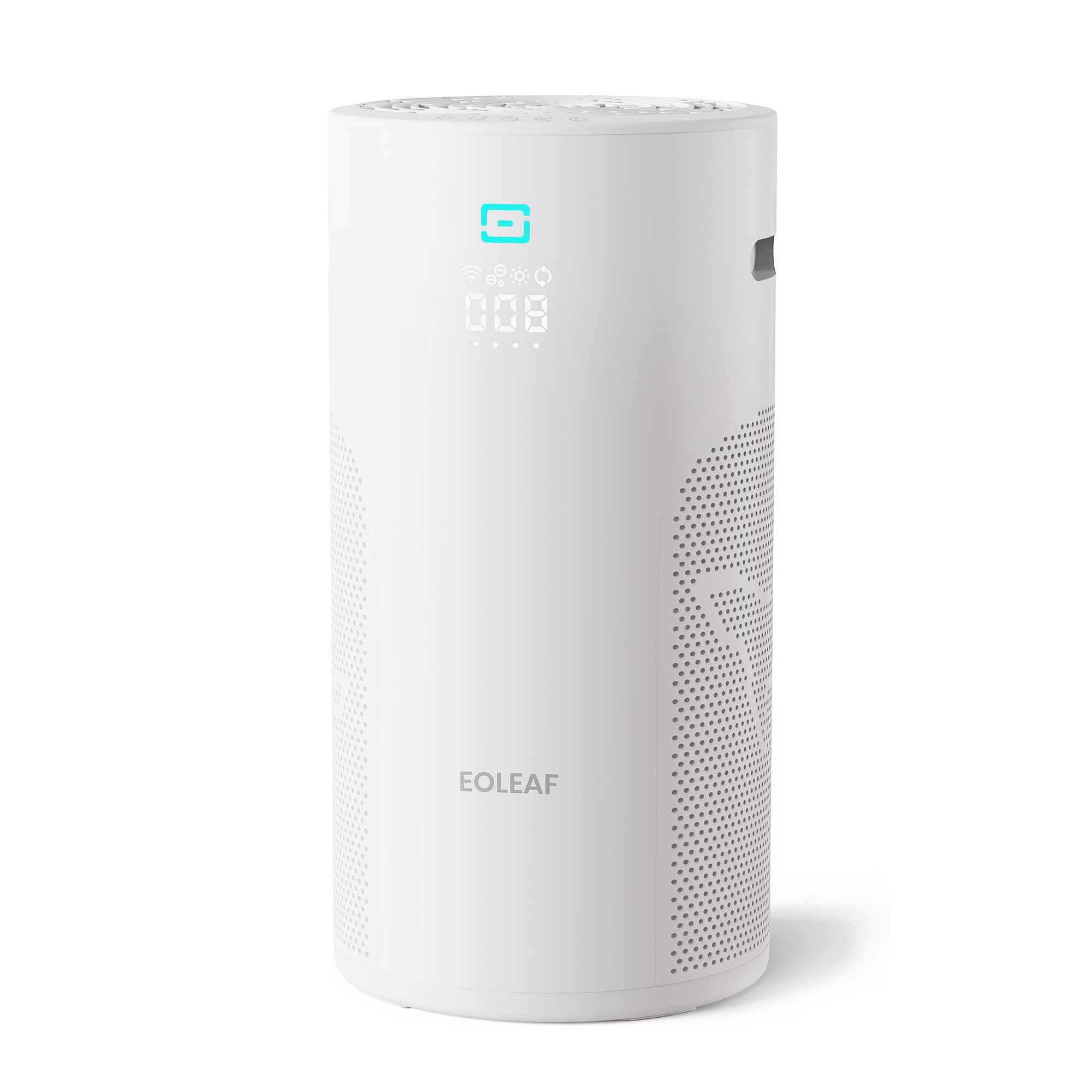
AltaPur 700 air purifier
120 m² (1300 sq ft) coverage area - Professional model
Eoleaf air purifiers are sized to deliver a minimum of 3 ACH, a recommendation in line with requirements from regulatory organizations such as the WHO and the EPA. To support informed decision-making, we publicly disclose both coverage areas and Clean Air Delivery Rates (CADR) for every model. This level of transparency allows users to easily compare Eoleaf devices with other brands and to understand the real-world performance capabilities of each unit.
The coverage areas and corresponding CADR values for all Eoleaf air purifiers are outlined below:
- NeoPur 400: coverage area of up to 40 m2 (450 sq. ft.) with a CADR of 420 m3/h
- TeraPur 600: coverage area of up to 80 m2 (850 sq. ft.) with a CADR of 570 m3/h
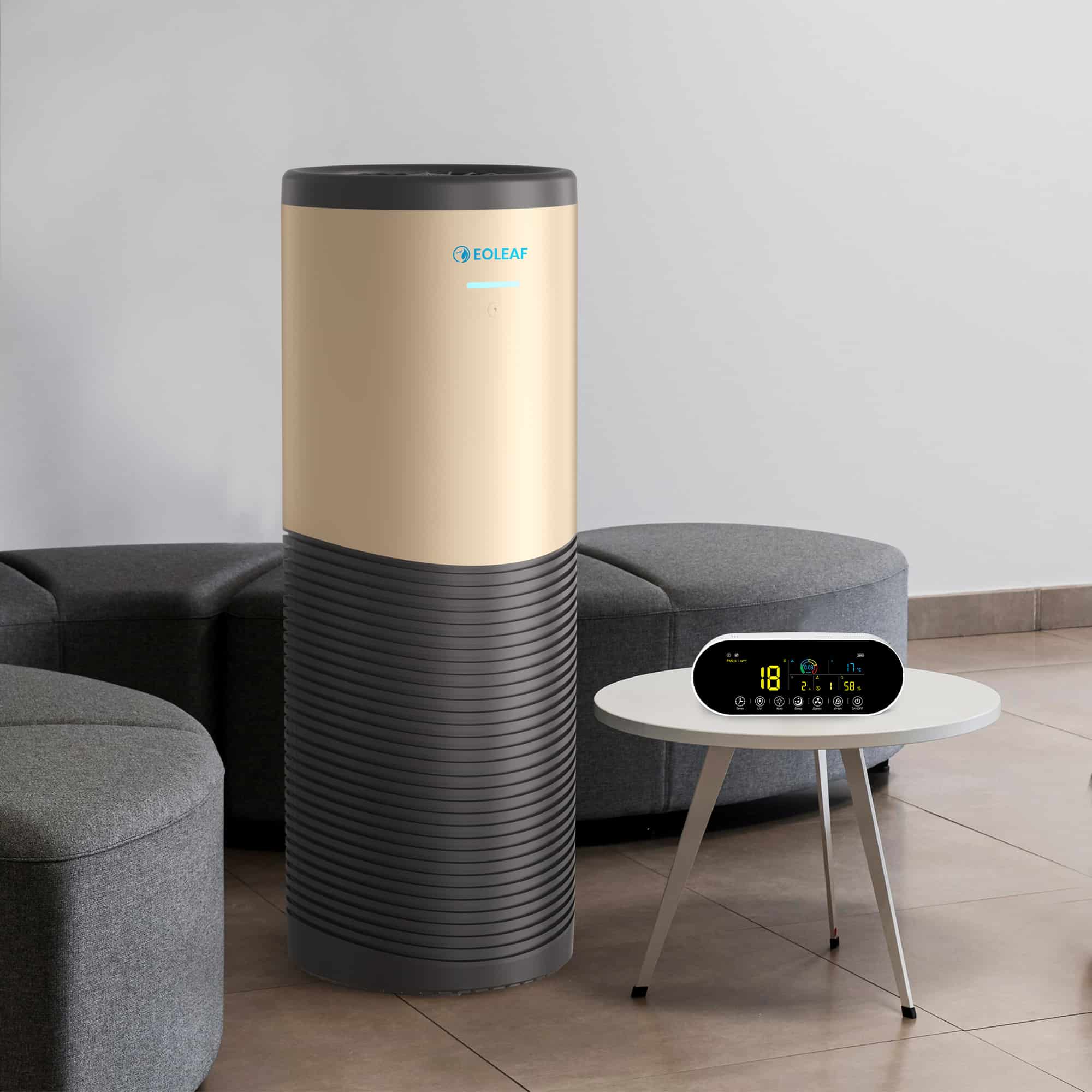
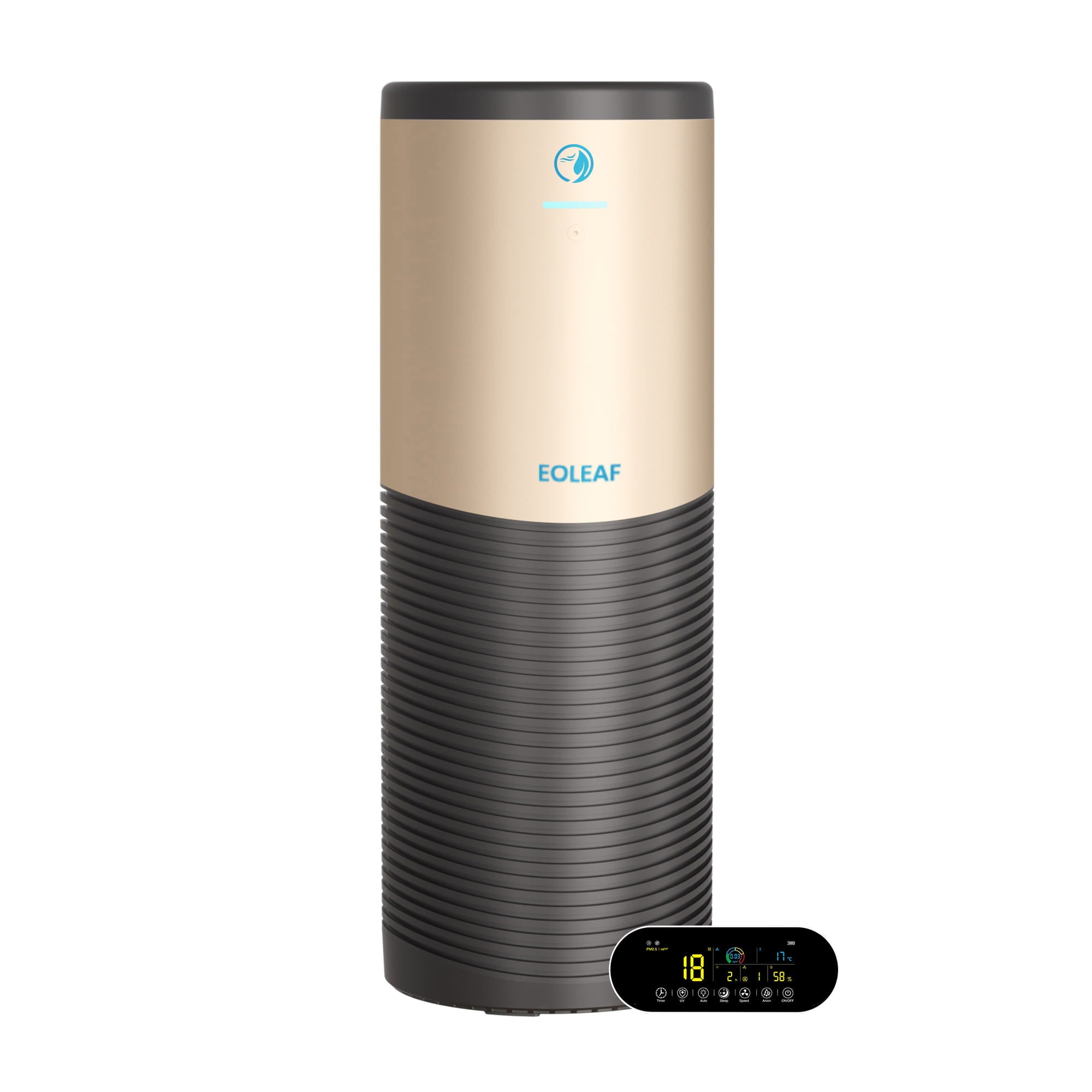
- AltaPur 700: coverage area of up to 120 m2 (1300 sq. ft.) with a CADR of 670 m3/h

User experience and smart controls
Shark NeverChange MAX air purifier
Design and mobility
The Shark NeverChange MAX is lightweight and easy to move, but due to its lack of power and transparency regarding its performance, we would strongly discourage its use in larger or professional spaces. The only situation where the NeverChange MAX would be recommended would be in small spaces with very limited indoor air pollution concerns. It is advertised as a very quiet, low energy-consuming air purifier, but the technical specifications for this model do not list either its noise levels (dB) or power input. In reviews, some users have reported that this unit is noisier than they would have expected.
Smart features and app integration
The Shark NeverChange MAX offers an automatic mode thanks to its Clean Sense IQ™ sensors. It has a simple digital display and, as a result, limited data visibility. The digital display seems a bit non-intuitive in that it only shows the “percentage of clean air” out of 100%. Does this refer to the level of fine particles? Chemical pollution? Both? It is unclear.

Based on our research, there are no additional smart features included in this unit. It does not appear to have app compatibility.
Eoleaf’s AltaPur 700 air purifier
Design and mobility
All of Eoleaf’s devices are equipped with either wheels (the AltaPur 700 and TeraPur 600) or handles (NeoPur 400) for easy movement from room to room if needed. The AltaPur 700, specifically, is engineered with a powerful fan that allows it to filter the air in spaces of up to 120 m2 (1300 sq. ft.). It has a multitude of applications including domestic uses (large rooms or entire homes) and professional uses (doctor’s offices, clinics, reception halls, art studios, classrooms, nursing homes/care homes, and more). Again, valuing transparency, we publish all of the AltaPur 700’s noise levels and power input, as seen below:
- Noise levels
- Speed 1: 30 dB (whisper)
- Speed 2: 45 dB (average home noise)
- Speed 3: 53 dB (faint rain)
- Speed 4: 57 dB (normal conversation)
- Speed 5: 60 dB (office noise)
- Power input
- ECO stand-by power ≤2W
- Speed 1: 9.8 W
- Speed 2: 13.6 W
- Speed 3: 28.2 W
- Speed 4: 37.8 W
- Speed 5: 54.5 W
Smart features and app integration
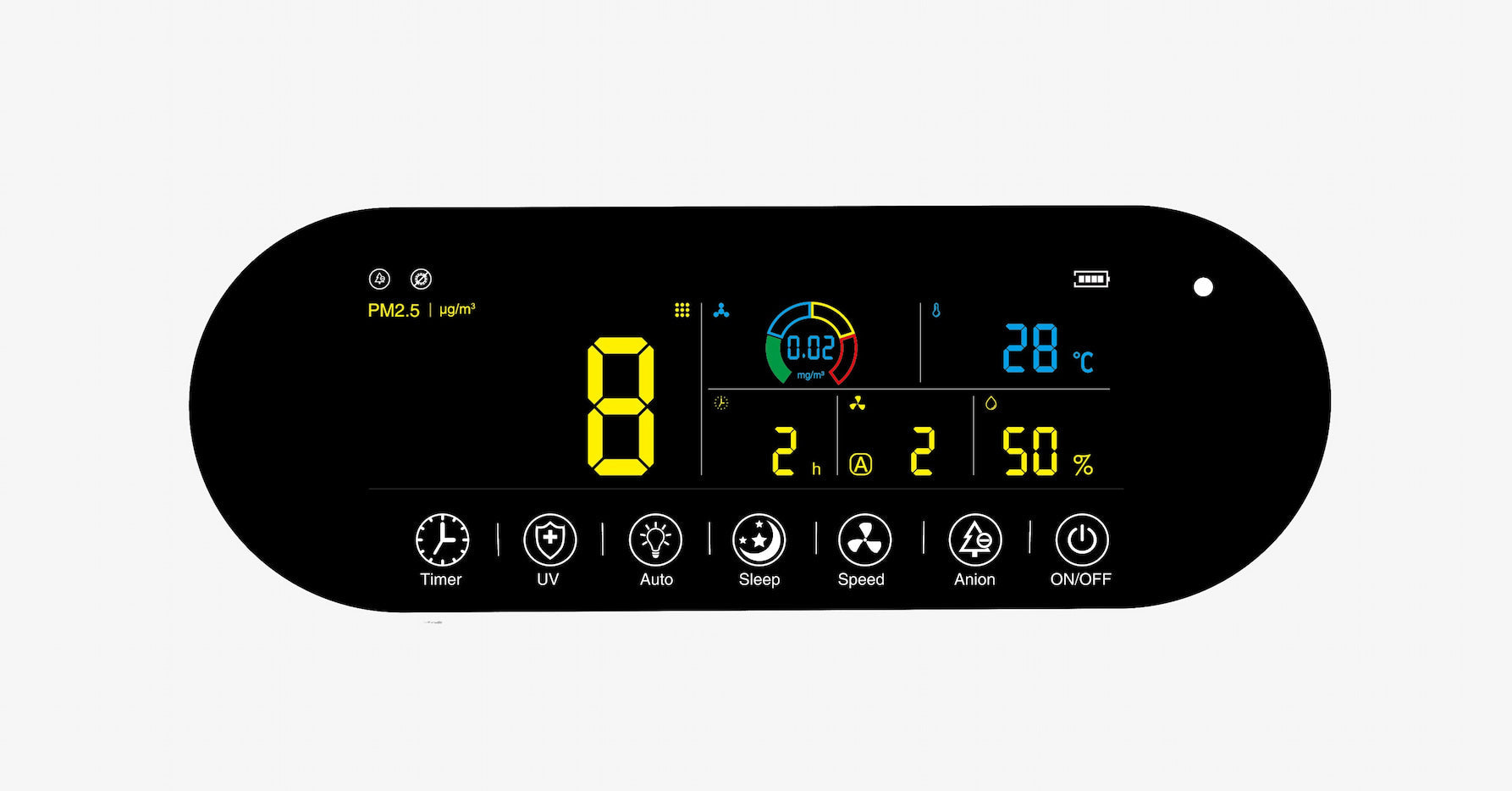
Designed for a seamless and worry-free experience, the AltaPur 700 integrates advanced technology with intuitive control. It features a unique handheld remote equipped with integrated PM2.5 and HCHO sensors, providing high-precision, real-time air quality data right at your fingertips. Thanks to these sensors, AltaPur 700’s Automatic mode will automatically increase the device’s fan speed to adapt to new incoming pollutants.
For deeper insights, the Tuya Smart app tracks historical trends, empowering you to visualize pollution patterns over time and make informed decisions to optimize your indoor environment and protect your long-term health. The app also allows you to control your device from a distance and set smart scheduling/automation.
We even take it a step further: all of our devices are equipped with smart features like hands-free gesture control and voice commands.

Summary
Air purification is not an arena where ambiguous marketing claims or subpar performance are adequate for safeguarding respiratory health. Consumers are left wondering what degree of protection they are truly getting from an air purifier that lacks comprehensive performance data, or independent certification. Claims of lengthy filter life or quiet operation are not very reassuring if airflow, filtration efficiency, and practical efficacy are not well-defined and verified.
It is impossible to evaluate how well contaminants are being eliminated without transparency. When it comes to your health, don’t settle for less: choose Eoleaf, a brand that adheres to all available standards like HEPA H13 certification and CADR. This is the best way to guarantee accountability, comparability, and optimal performance.

Eoleaf's range of air purifiers
NeoPur 400 air purifier
40 m² (450 sq ft) coverage area - Smart & Connected
TeraPur 600 air purifier
80 m² (850 sq ft) coverage area - Ultimate all-in-one
AltaPur 700 air purifier
120 m² (1300 sq ft) coverage area - Professional model
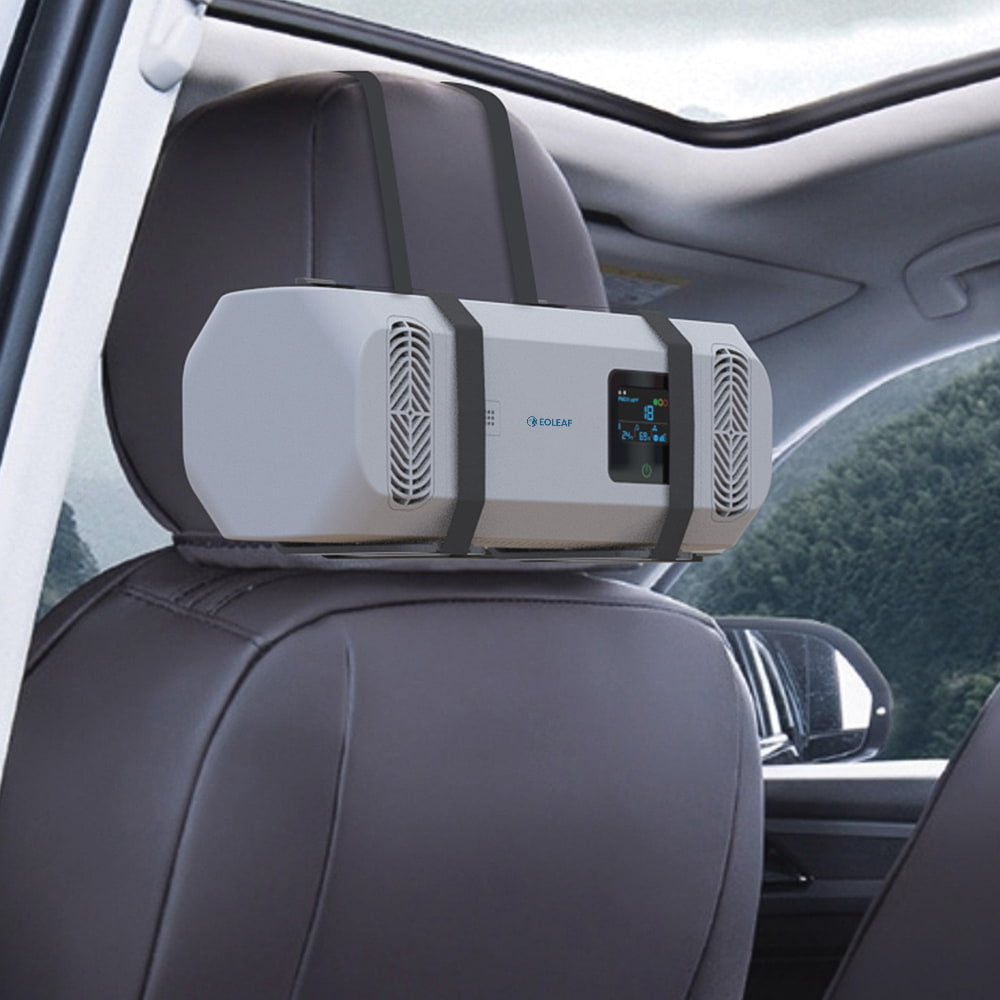
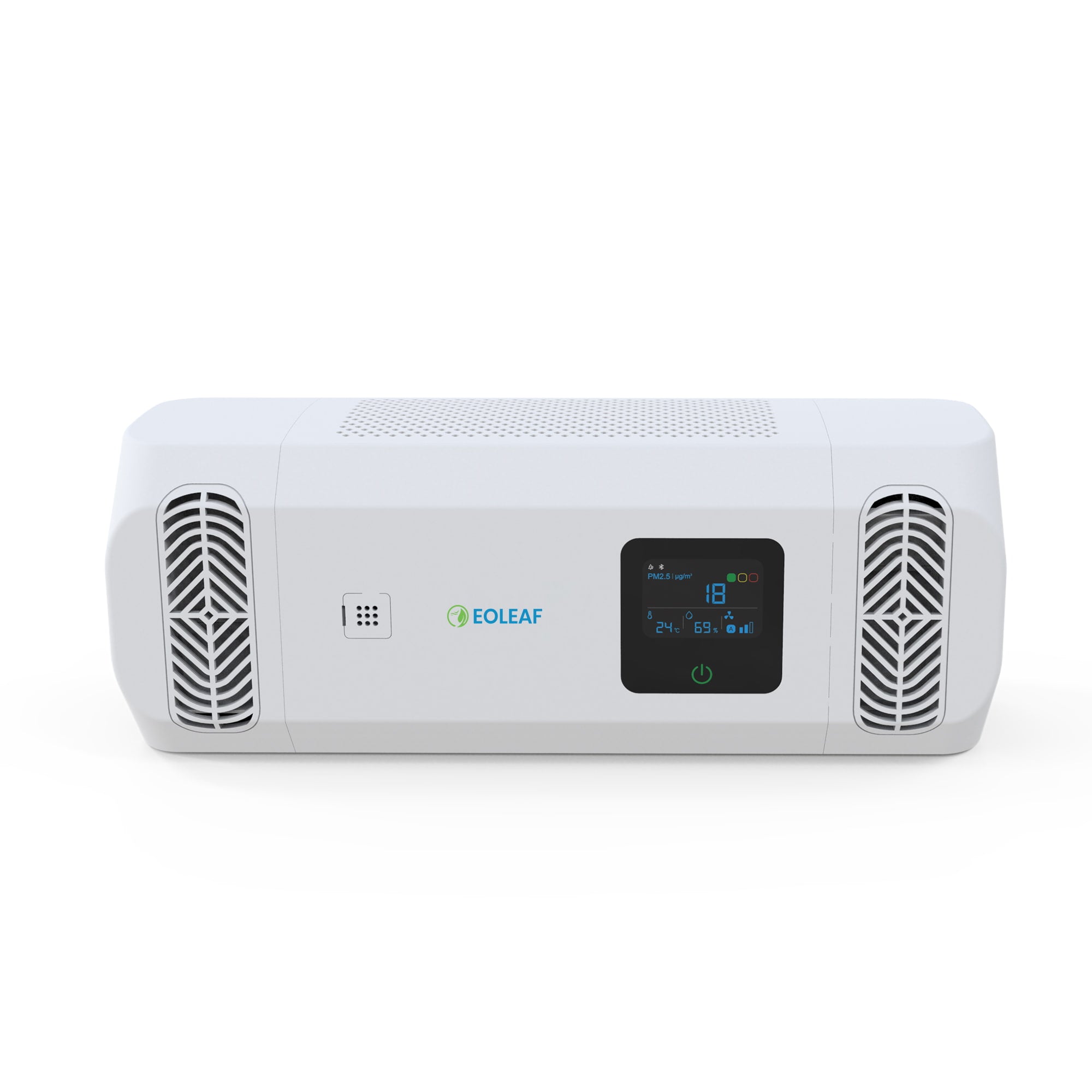
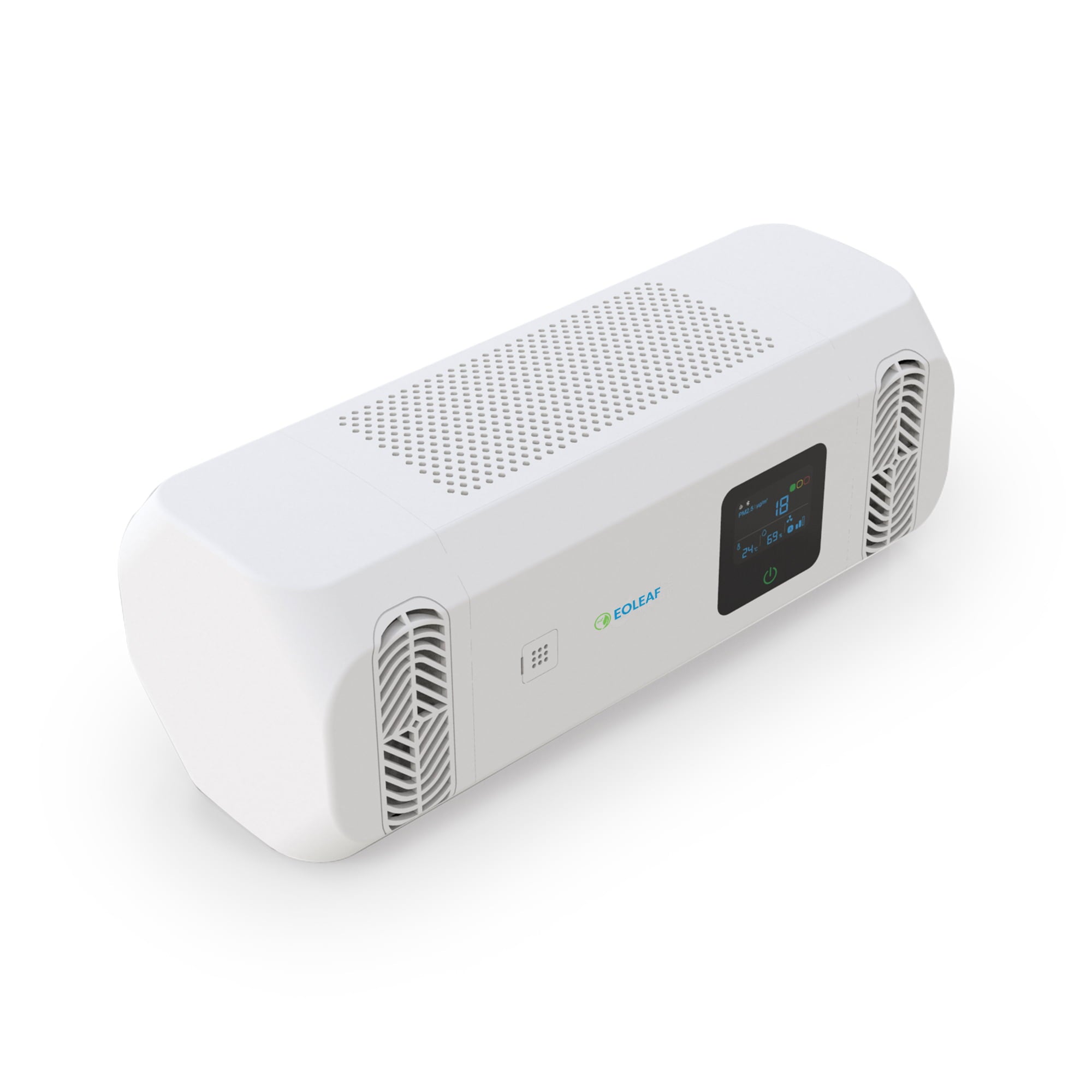
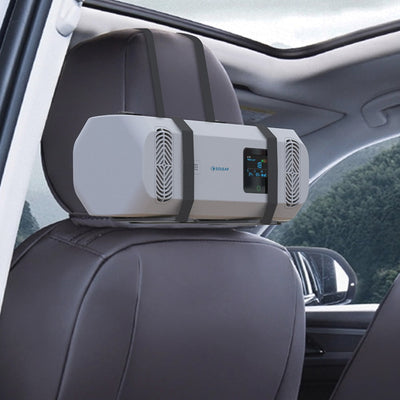
PurCar air purifier
HEPA H13 Filter & Ioniser - For all vehicles