Nitrogen oxides in air pollution: health risks and how to reduce exposure
Indoor air pollution consists of a variety of components that pose a danger to our health. Nitrogen oxides (NOx) is just one of those components: produced by road traffic, heating systems, and gas appliances, prolonged exposure to NOx can impact respiratory health and lead to other diseases throughout the human body. As one of the most common pollutants found in indoor settings, understanding their sources and how to reduce their concentrations in your indoor spaces is a crucial step in improving indoor air quality. What are nitrogen oxides? Where do they come from? Can an air purifier protect us from their dangers? Read on to learn more.

Introduction: the invisible pollutants in the air that we breathe
What is air pollution and what are the different types?
Air pollution defined
Air pollution is a complex mixture of airborne particles (fine particles like PM10, PM2.5, and PM0.1) and gases that are emitted by human activity or natural sources into our breathing air. Concentration levels vary depending upon a host of factors including emission type and weather conditions, to name a few. The vast majority of atmospheric pollutants endanger human and environmental health(1).
Types of air pollution
Certain sources of air pollution are caused by and found in the natural environment, such as pollen, wildfire smoke, desert dust, dust and dust mites, and volcano eruptions, to name a few. On the other hand, those that are a direct result of human activity are referred to as “anthropogenic pollutants”. Anthropogenic pollutants are classified as either “primary” or “secondary”:
-
Primary: emitted directly from pollution sources (road traffic, domestic heating, agriculture, industrial practices, etc.)
- Examples: nitrogen oxides (NOx), sulfur dioxide (SO2), volatile organic compounds (VOCs), heavy metals, and hydrocarbons
-
Secondary: created indirectly through chemical reactions between air pollutants
- Examples: ozone, nitrogen dioxide (NO2), ultrafine particles

Source (1)
Nitrogen oxides: widespread but little understood
What are nitrogen oxides?
Within the air we breathe, we may encounter seven different nitrogen oxides (NOx). In fact, it is estimated that, on Earth, nature produces 20 to 90 million tons of nitrogen oxides annually! However, human activities emit an additional 24 million tons of nitrogen oxides to our atmosphere, and this is where the issues arise(2).
Sources of nitrogen oxides
Nitrogen oxides are produced as a result of the combustion process, most significantly due to the burning of fossil fuels. According to a 2019 analysis in the European Union, the vast majority nitrogen oxides emissions are generated by a few specific industries:

Source (4)
As seen above, automobile exhaust emitted by cars and trucks is the most significant source of nitrogen oxides, estimated to generate 37% of total emissions. Vehicle exhaust contains more NO than NO2, but once atmospheric NO is emitted and present, it quickly combines with oxygen in the air to form NO2 (3). Not all vehicles emit the same concentrations of nitrogen oxides: standards for vehicles regarding greenhouse gas emissions in the European Union have become more stringent in recent decades. EURO 6 has been enforced since 2014 which expects to see a “2.5 fold reduction in nitrogen oxide emissions from petrol engines and a 7.5 fold reduction for Diesel engines in newly registered vehicles” (4).

Source (4)
All combustion processes are a source of nitrogen oxides, however. Agriculture and heat and electricity generation (power plants) are collectively responsible for nearly half of nitrogen oxide emissions. Indoors, gas stoves and domestic heaters are also sources of nitrogen oxides.
How do nitrogen oxides contribute to air pollution?
NOx refers to the combination of nitric oxide (NO) and nitrogen dioxide (NO2), the two main nitrogen oxides associated with air pollution. NO and NO2 are formed when nitrogen and oxygen combine as a result of high-temperature combustion. NO is a colorless and flammable gas, whereas NO2 is a poisonous, but non-flammable gas with deep red-orange color. In dense, heavily-trafficked urban areas, NOx is found in significant quantities, sometimes reaching upwards of 500 μg/m3 (3).
NO2 is formed when NOx forms chemical reactions with other air pollutants (especially volatile organic compounds, or VOCs) already present in the ambient air. When NOx compounds (especially NO and NO2) react with ammonia, for example, it can form secondary particulate matter, including nitrate aerosols. This leads to an increase in particulate matter exposure (6).
The benefits of buying an Eoleaf air purifier:
-
Discreet and elegant design
-
Quiet yet powerful (up to 670 m3/hr)
-
Can be placed anywhere in your space thanks to our 360° technology
-
Real-time air quality data
-
Filters 99.97% of pollutants using unique and innovative filtration technologies
-
Modern (mobile app compatible) but easy to use (Automatic mode)
-
Smart and customisable devices (smart scheduling, automatic power off/on, etc.)
NOx is a significant precursor of ground-level ozone (O3) through NOx titration, a quencher of O3, which is particularly crucial at night and in the winter. In the United States, according to a 2015 study published by Air Qual Atmos Health, efforts to reduce NOx and VOC emissions with the ultimate goal of reducing ground-level ozone were heavily undertaken during the years of 1994 and 2010. However, results of these efforts left researchers and legislators disappointed. NOx plays a significant role in both:
- Creating ozone when exposed to sunlight (alongside VOCs)
- Destroying ozone, especially at night and during the cold winter months (referred to as “NOx titration”)
What does this mean? To summarize, reducing NOx does not necessarily reduce O3 concentrations. Lower NOx levels means that less ozone is destroyed, leading to an increase in O3 levels under certain conditions, or ozone “penalties” (5). This puts the general public at a continued health risk.

Health impacts caused by nitrogen oxide exposure
NOx has the most severe effects on human and environmental health when present in the atmosphere alongside other pollutants. Since air pollution is a complex cocktail of compounds, NOx, CO2, and particulate matter (PM) are often present simultaneously, exacerbating health and environmental impacts. Research has shown that NO attaches itself to heme proteins (like hemoglobin, myoglobin, and cytochrome oxidases), reducing their ability to transport or use oxygen effectively. This ultimately causes tissue hypoxia and reduced cellular respiration. NO2 exposure, on the other hand, plays a direct role in the oxidation and degradation of proteins, leading them to unfold, aggregate, and disintegrate (6). Additional studies have shown that NOx exposure damages DNA by causing mutations and even cell death (7).
More concretely, exposure to the NOx, CO2, and PM cocktail has been linked in studies to a synergistic effect on human health. Enhanced oxidative stress, inflammation, and increased incidence of respiratory and cardiovascular disease have all been reported (6). Two studies, one out of Sao Paolo, Brazil, and another out of China, made similar conclusions: an increase of 10 µg/m3 in NOx corresponded to 2.6% increased respiratory mortality. The Chinese study, which spanned across 17 Chinese cities with NO2 concentrations of 26 to 67 µg/m3, demonstrated that the risk of death caused by respiratory diseases increased by 2.52 (8).
NOx exposure has an impact on human health in both the short- and long-term:
Short-term health effects
Short-term effects of NOx exposure include:
- Respiratory irritation: burning, itching, and upper airway irritation
- Aggravated asthma symptoms
- Increased risk of respiratory infection (bronchitis, pneumonia, etc.)
- High-dose exposure: lung inflammation (chemical pneumonitis) and pulmonary edema
Long-term health risks
Long-term effects of NOx exposure include:
- Increased respiratory disease risk: chronic bronchitis, COPD (chronic obstructive pulmonary disease), and reduced lung function
- Increased cardiovascular disease risk: heart disease, stroke, and hypertension
- Increased likelihood of developing asthma, especially in children
- Premature death: air pollution contributes to 7 million deaths annually
- Increased diabetes and metabolic effects (9)
Vulnerable groups
Similarly to other types of air pollution, the most vulnerable population groups when it comes to the adverse effects of air pollution on health include:
- The elderly
- Children and infants
- Pregnant women
- Immunocompromised individuals or those with pre-existing respiratory conditions or diseases
Although all population groups are vulnerable to the health impacts of air pollution, these high-risk groups must take extra precaution as compared to the general population, ideally protecting themselves as much as possible in indoor environments.

How to protect yourself from NOx and other harmful air pollutants at home
Indoor spaces are from 3 to 5 times more polluted than outdoor spaces. All types of air pollution found outdoors are found indoors: fine and nano particles (PM10, PM2.5, and PM0.1), chemical pollution (VOCs, ozone, carbon monoxide, etc.), and biological pollution (allergens like pollen, pet hair and dander, dust and dust mites, and germs) all make their way into our indoor spaces with ease when we open windows or doors. Some air pollutants are simply generated indoors through heat generation, cooking, and using polluting products: for example, new furniture may emit formaldehyde, a carcinogenic VOC, continuously for up to two years!
Improve source control
A great way of reducing exposure to air pollution is simply to generate less of it. Small changes can make a big difference. One of those small changes includes replacing a gas stove with an electric one. This swap can lead to a 44% decrease in NO2 concentrations inside a home. After three months, this number jumps to 51% (10). Although sometimes a costly solution, and one that may not be adapted to all living spaces, it is an effective way to reduce nitrogen oxide concentration in your home.
Other recommendations include avoiding polluting products in your space (think cleaning products, fragrances, DIY products, candles, incense, etc.), maintaining your heating systems, and never leaving vehicles idling near open windows or doors. It is always recommended to manually ventilate your space regularly by opening windows and allowing stale and polluted indoor air to circulate.
Unfortunately, if you live in an area that suffers from heavy pollution (and even if you don’t!), ventilation may encourage more polluted outdoor air to enter your space, further polluting your indoor air and posing an additional danger to your health.
Improve indoor air purification
A solution to the above-mentioned problems is to invest in a high-performance air purifier. The right air purifier will be able to offer significant protection against harmful air pollutants found in your space.
Can an air purifier help with nitrogen oxides?
It is important to note that not all air purifiers are created equally. The bread and butter of an air purifier is its purification technologies. Different technologies are engineered to target different forms of air pollution, and not every air purifier is capable of removing chemical pollution (or, they are capable, but do not do it sufficiently). Since nitrogen oxides fall under this category, an air purifier purchased for this purpose must be efficient at targeting and removing chemical pollution. First and foremost, however, it is important to understand the main technologies on the air purifier market and which types of air pollution they filter.
HEPA filters
High Efficiency Particulate Air (HEPA) filters are essential for the removal of fine particle pollution, otherwise known as particulate matter (or PM). Like nitrogen oxides, fine particles are a major component of air pollution that impact human and environmental health, but they belong to a completely different category of pollutants.
How do they differ? Fine particles are a complex mixture of solid and liquid bits and pieces suspended in the air. They do not adhere to a specific chemical formula; rather, they are defined by their size. The three main types of fine particles are as follows:
- PM10: particles with a diameter of 10 µm or smaller
- PM2.5: particles with a diameter of 2.5 µm or smaller
- PM0.1: particles with a diameter of 0.1 µm or smaller
All three types come from a wide variety of sources, some of which include road dust, tire wear, construction, wildfires, and wood-burning stoves. Exposure to all types poses danger to human health.
HEPA filters are an essential part of a high-performance air purifier but only when certified. Unfortunately, air purification is a young, fairly unregulated industry, meaning that manufacturers sometimes make misleading or downright incorrect claims regarding their filters’ efficiencies. Certain phrases like “HEPA-type” or “HEPA-like” are commonplace, but so is the claim of being equipped with a HEPA filter without mention of certification. These claims indicate an impossibility of verifying the HEPA filter’s efficiency since they have not been tested by a third party. On the other hand, HEPA filters that have been certified will fall under a range of categories from H11-H14, depending upon their filtration capacity. Filters that are rated H13 or H14 are typically referred to as “medical-grade” or certified for use in medical environments. For context, all Eoleaf air purifiers contain a H13-certified filter as part of its 8-step air purification technology.
While a high-quality air purifier should absolutely be equipped with a HEPA-certified filter, this technology is incapable of combatting chemical pollution, and, as a result, is unable to filter nitrogen oxides.
Activated carbon filters
Another common technology found in most air purifiers is an activated carbon filter. Unlike HEPA filters, activated carbon filters are indeed designed to remove chemical pollution, including nitrogen oxides like NO and NO2.
Activated carbon filters contain microscopic pores that trap gaseous and chemical pollution with just one gram capable of having a surface area of over 1000 m2 (11). Using the processes of physisorption (physical trapping, ideal for the removal of NO2) and chemisorption (acting as a chemical catalyst, perfect for the removal of NO), activated carbon filters serve a very important purpose in the filtration of many types of harmful chemical gases. When aiming to combat nitrogen oxides specifically, this is one of the technologies that is an absolute requirement in an air purifier.
Again, like HEPA filters, activated carbon filters vary significantly in the quantity of activated carbon that they contain. The general rule is that the more activated carbon contained within a filter (meaning the heavier the activated carbon filter), the more chemical pollution they absorb. A prime example of this can be found below:

The first picture shows the original activated carbon filter found within the Winix ZERO Pro air purifier. The corresponding replacement filter, although furnished by the same brand, contains about half of the quantity of the activated carbon as the first. Winix certainly isn’t the only brand that is guilty of cutting corners: this is why it is critical to verify the activated carbon filter’s weight before purchasing. Due to the aforementioned corner-cutting, this information is often difficult to find and not always made available to the public, an immediate red flag.
This is why, here at Eoleaf, when it comes to protecting your health from harmful air pollutants, we feel that it is our responsibility to be forthcoming and as transparent as possible. We publish all of our filter weights on our website, including the amount of activated carbon found within each filter:
- AltaPur 700: 1280 g
- TeraPur 600: 640 g
- NeoPur 400: 400 g
- PurCar: 30 g
Our activated carbon filters are durable, heavy, and engineered for optimal efficiency in the removal of harmful chemical gases, including nitrogen oxides, and volatile organic compounds (VOCs).
Other crucial technologies
Activated carbon is not the only effective technology when it comes to the fight against nitrogen oxide exposure. In fact, as yet another layer in its 8-step air purification technology, Eoleaf air purifiers are also equipped with photocatalysis technologies. This is a much less common technology in mainstream air purifiers but is incredibly efficient: in fact, it has been lauded as being one of the most effective technologies when it comes to the filtration and removal of nitrogen oxides.
How does photocatalysis work? In Layman's terms, when a photocatalytic filter that is coated with a catalyst is exposed to ultraviolet (UV) light, it releases hydroxyl radicals (OH). Once nitrogen oxides come into contact with the OH radicals, an oxidation chain reaction occurs. This oxidation chain reaction converts nitrogen oxides (NO) into nitrate (NO3-), a harmless, stable, mineral sale that then binds to the surface of the catalyst found on the filter.
Unlike activated carbon filters, photocatalysis technologies do not store chemical pollutants in a filter which all eventually require replacing. Instead, it is a destructive technology that transforms the pollutants into something innocuous. These two technologies used together, however, create a chemical pollution-fighting powerhouse. This is why Eoleaf air purifiers employ redundant technologies: if one fails to absorb all of the danger, the other will pick up the slack.
Choosing the right air purifier for urban pollution
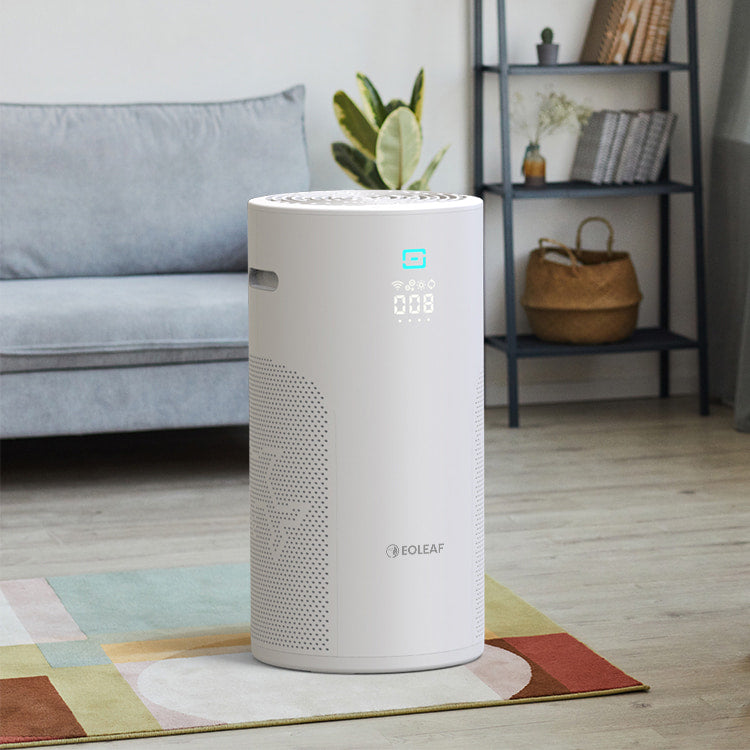
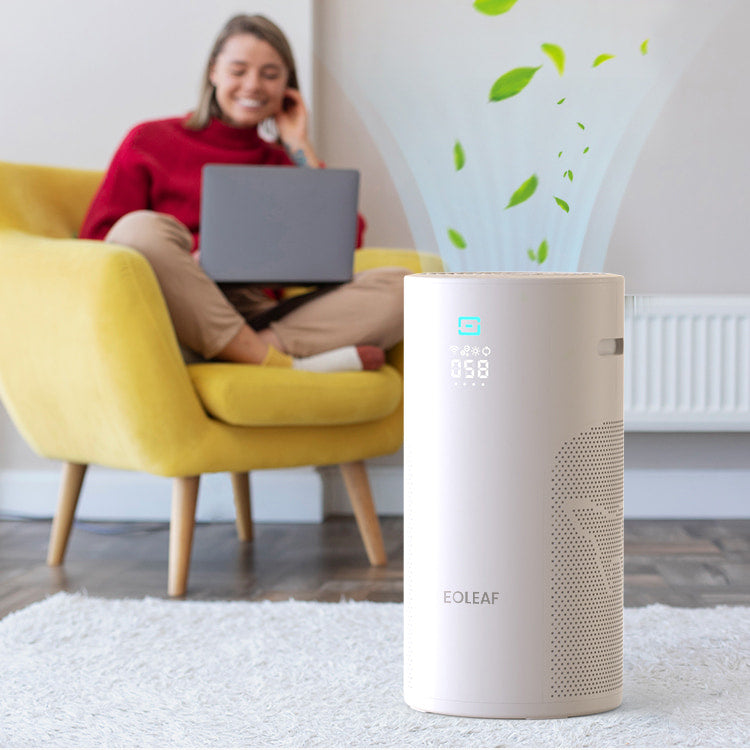
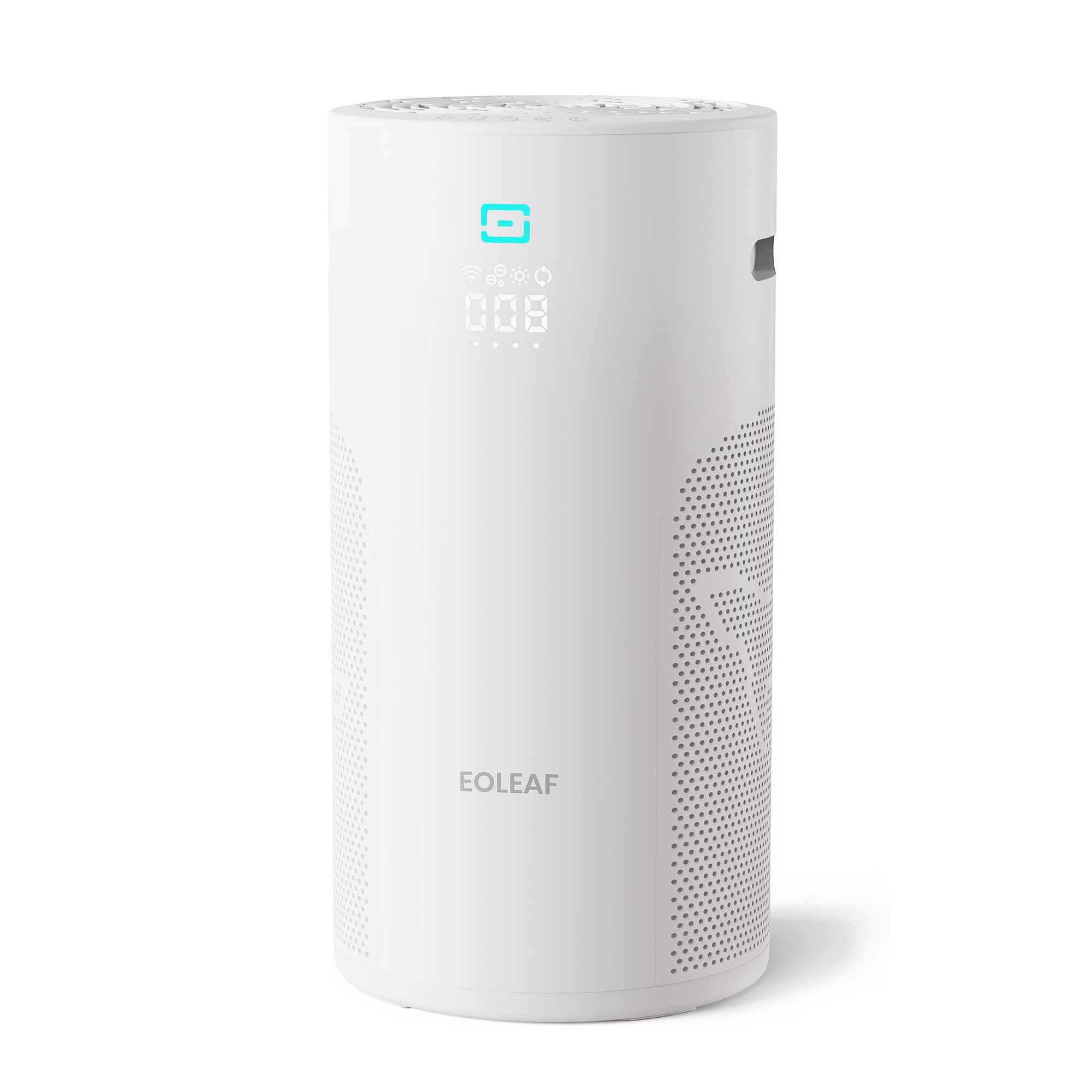
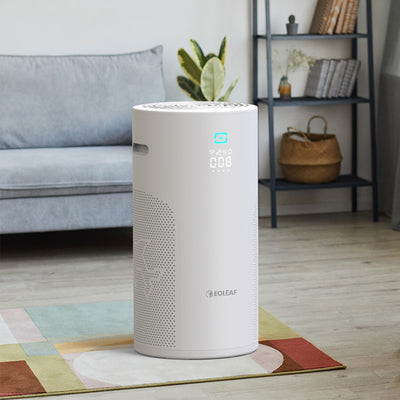
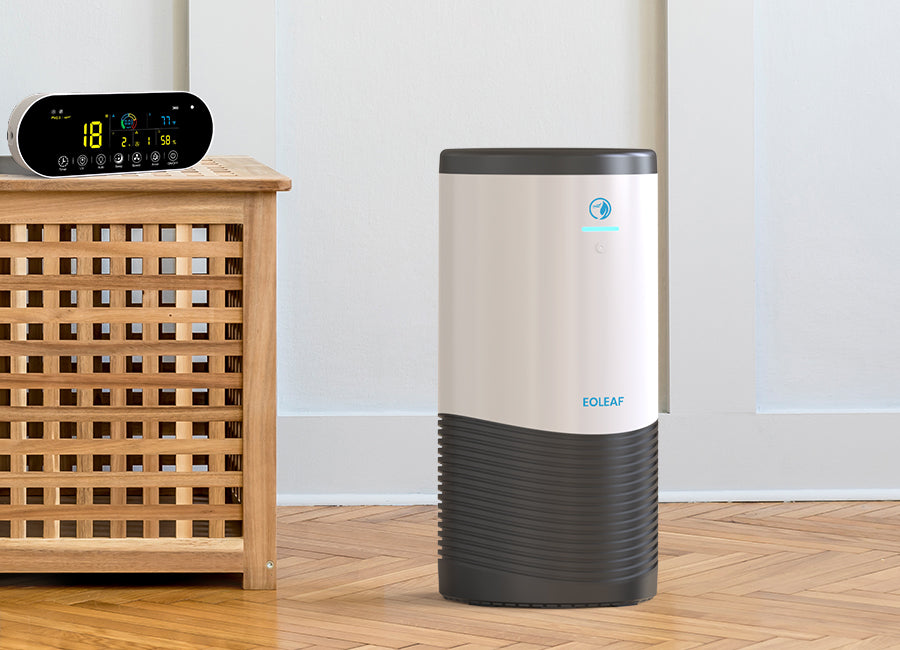
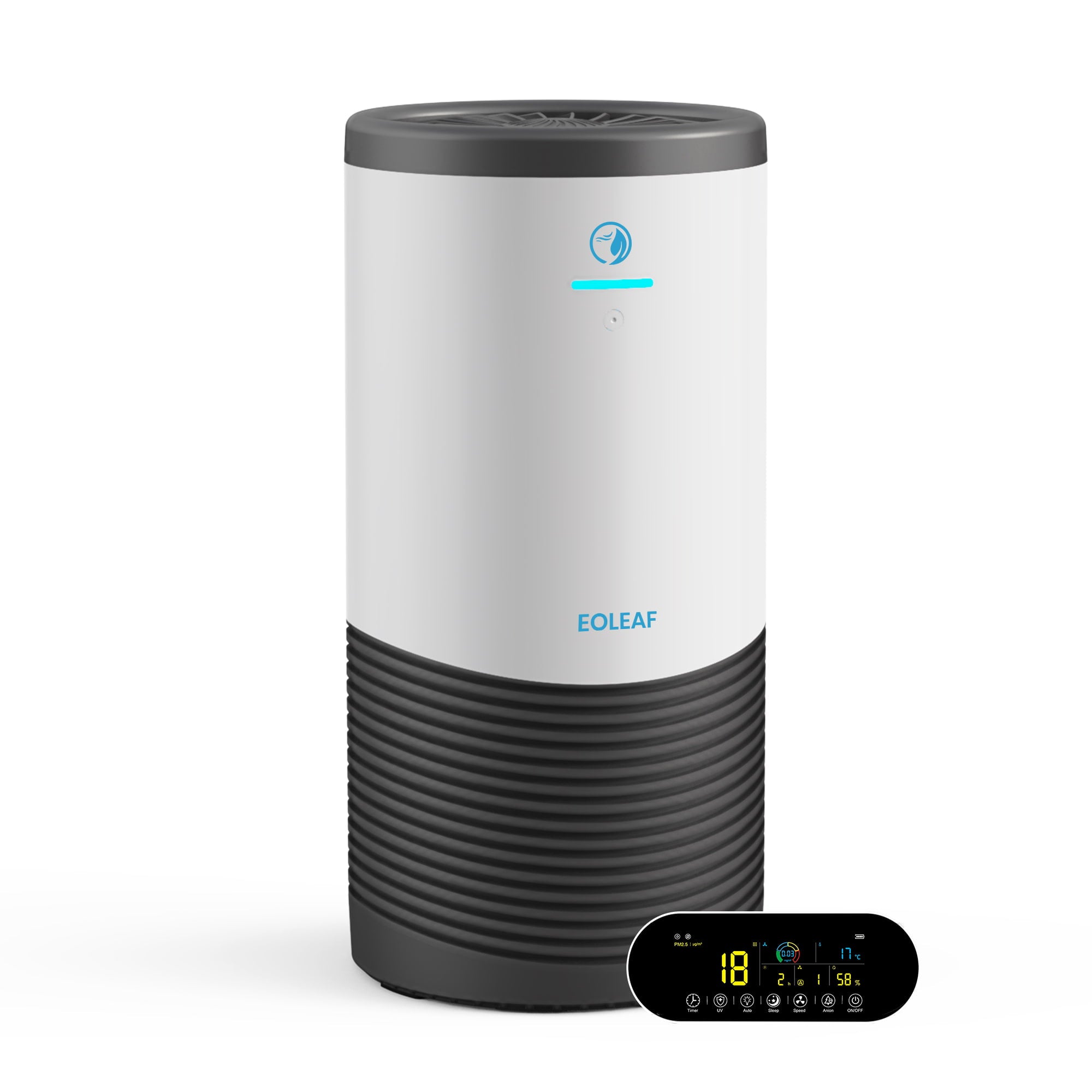
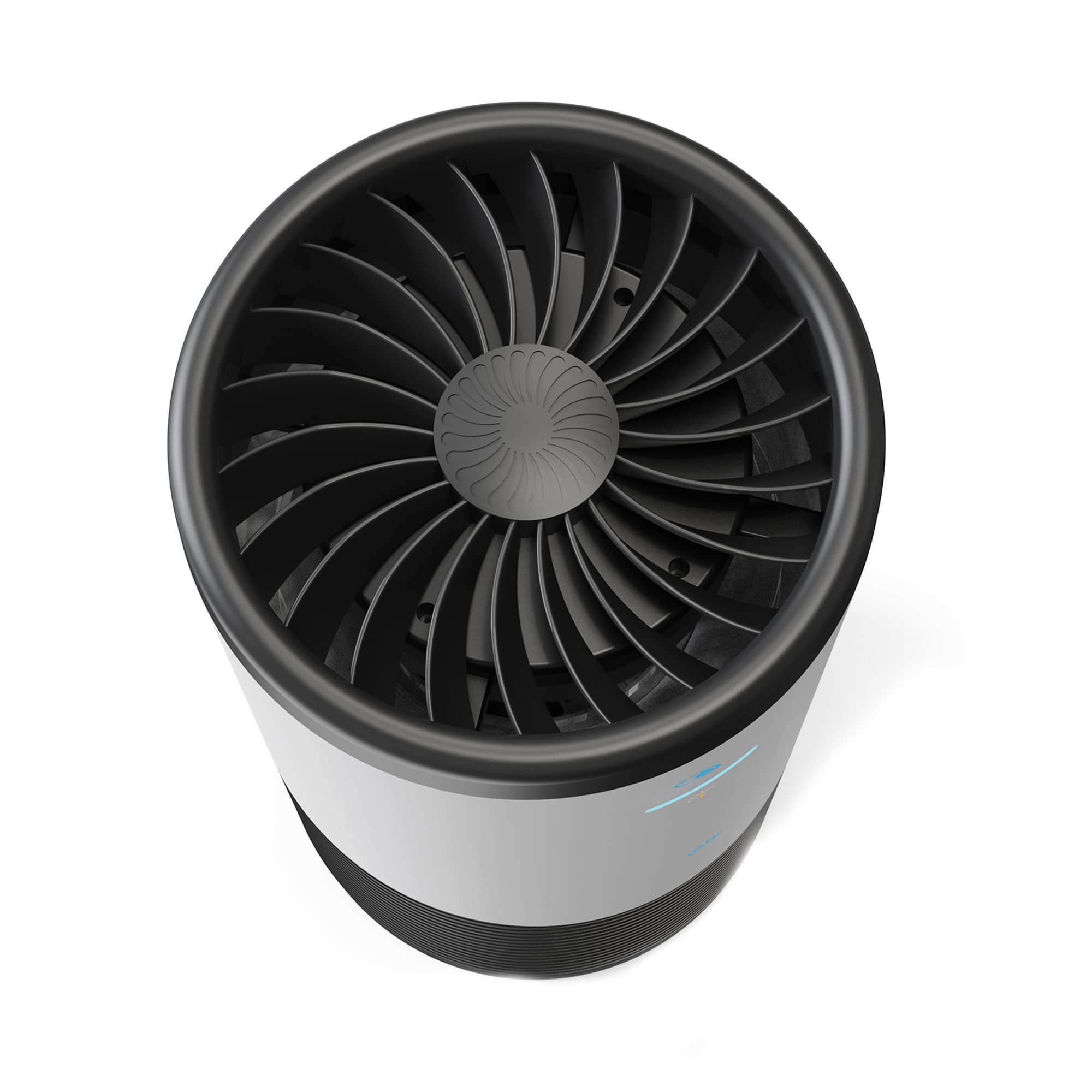
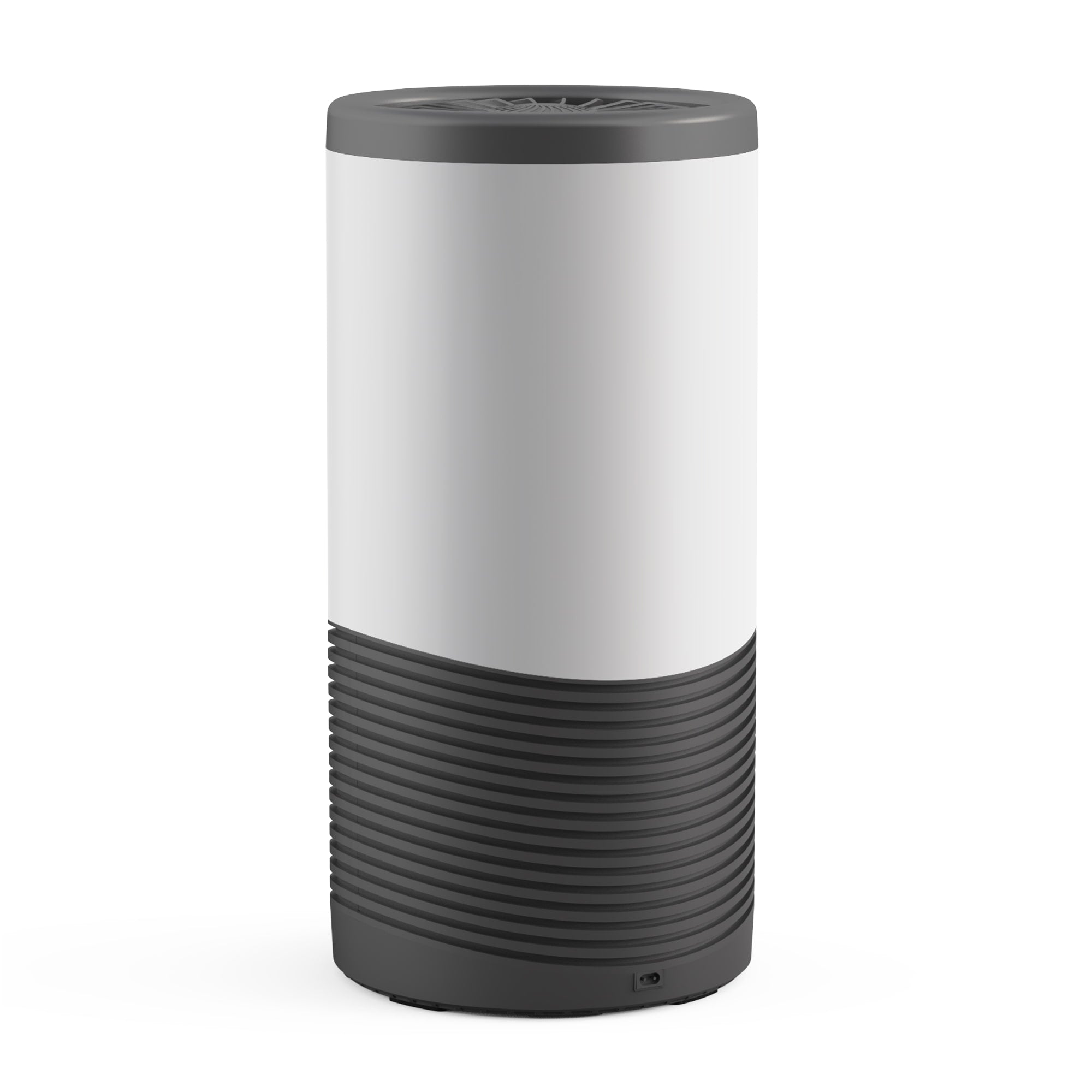
NeoPur 400 air purifier
40 m² (450 sq ft) coverage area - Smart & Connected
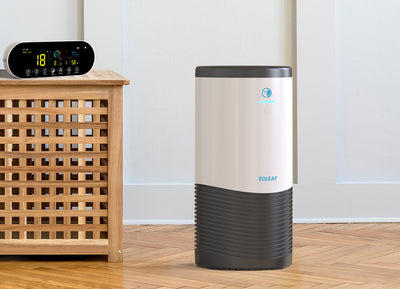
TeraPur 600 air purifier
80 m² (850 sq ft) coverage area - Ultimate all-in-one
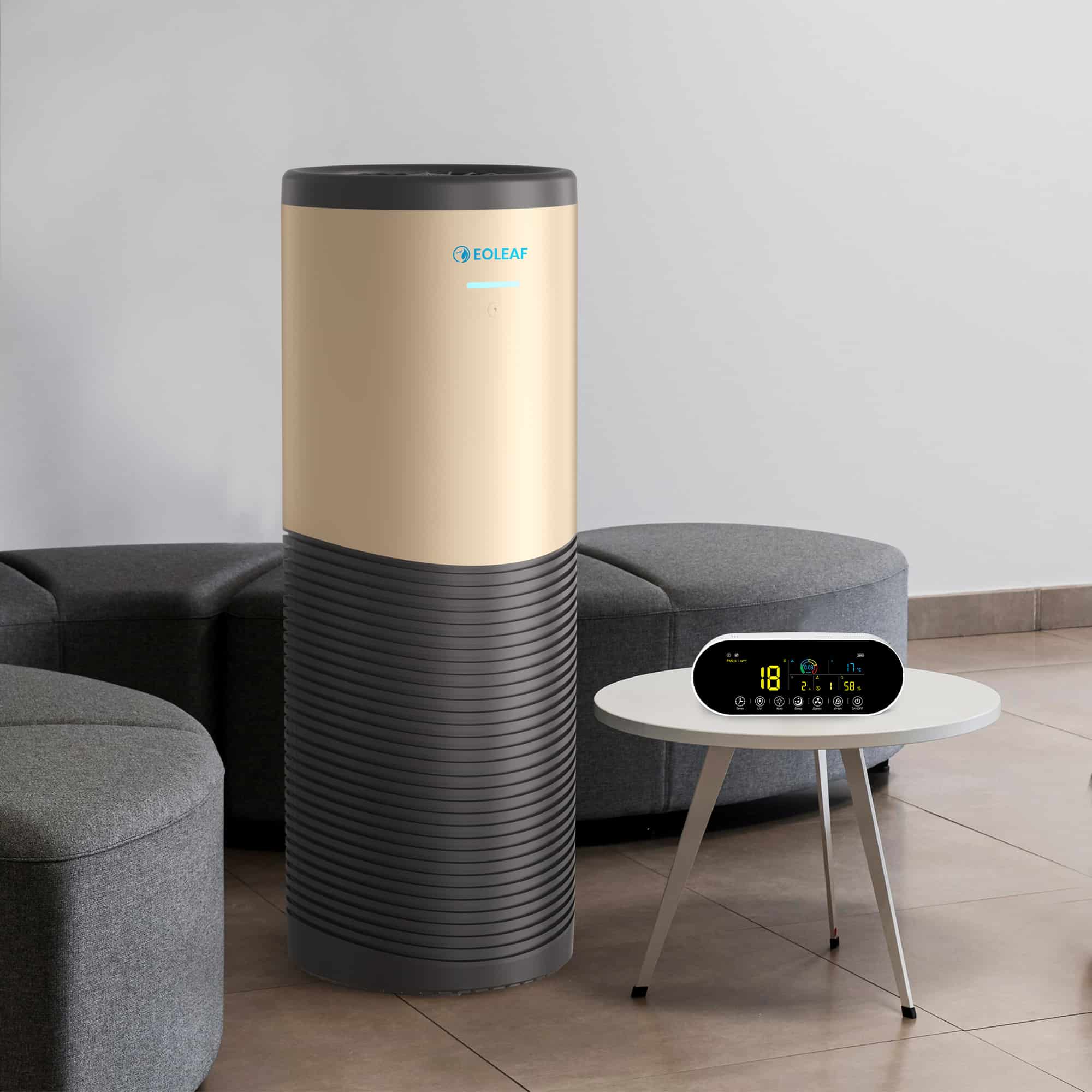
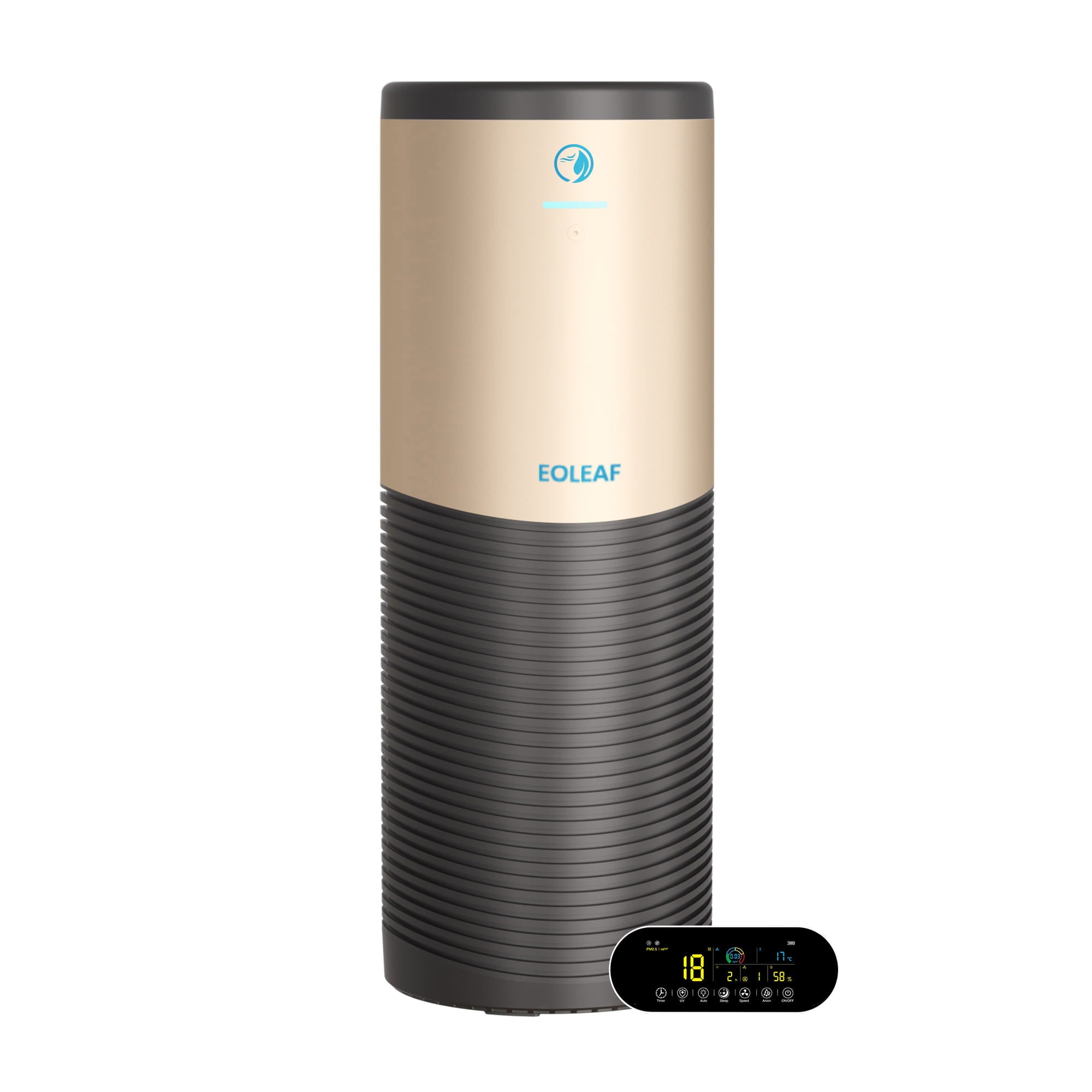
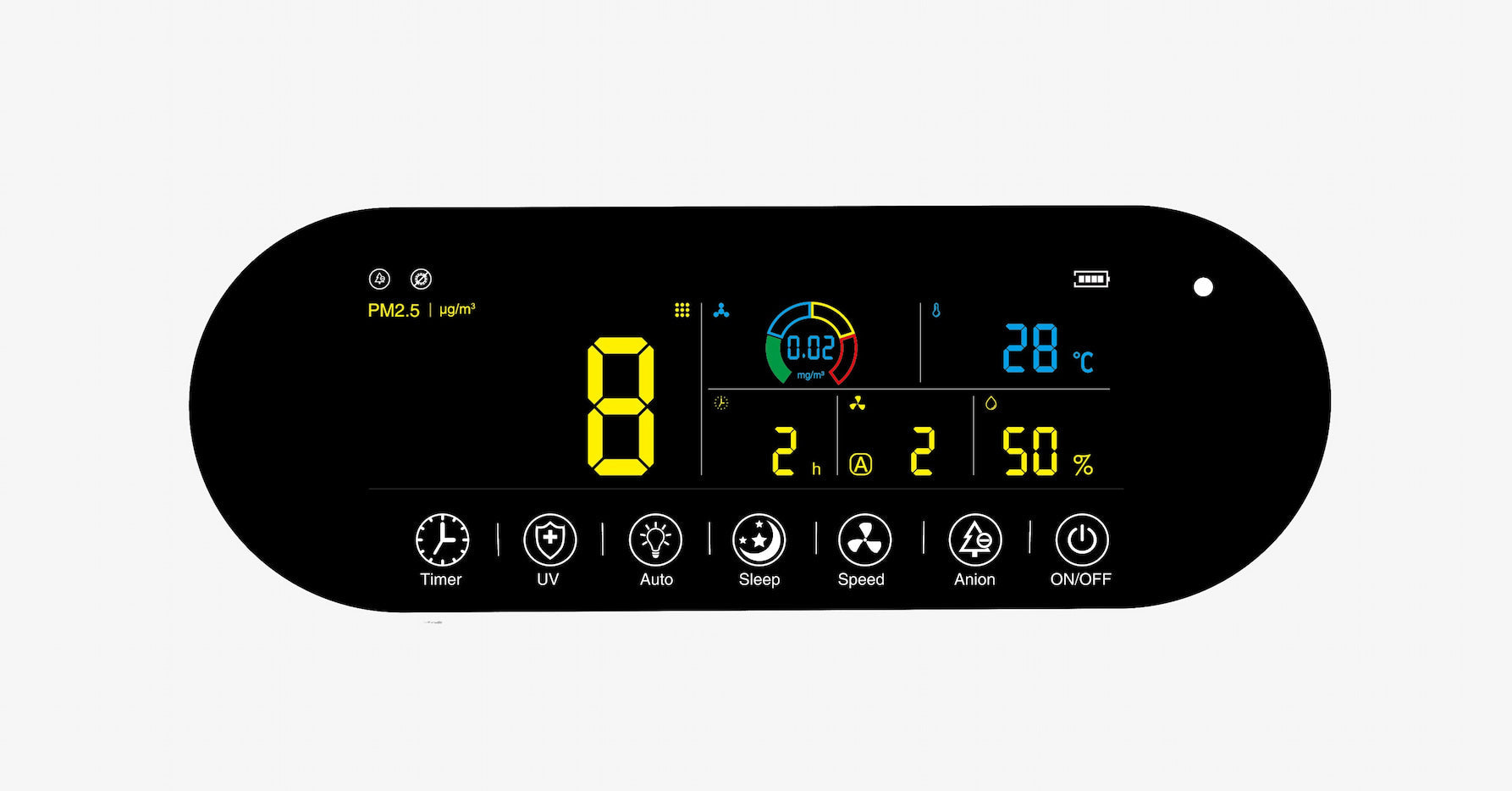
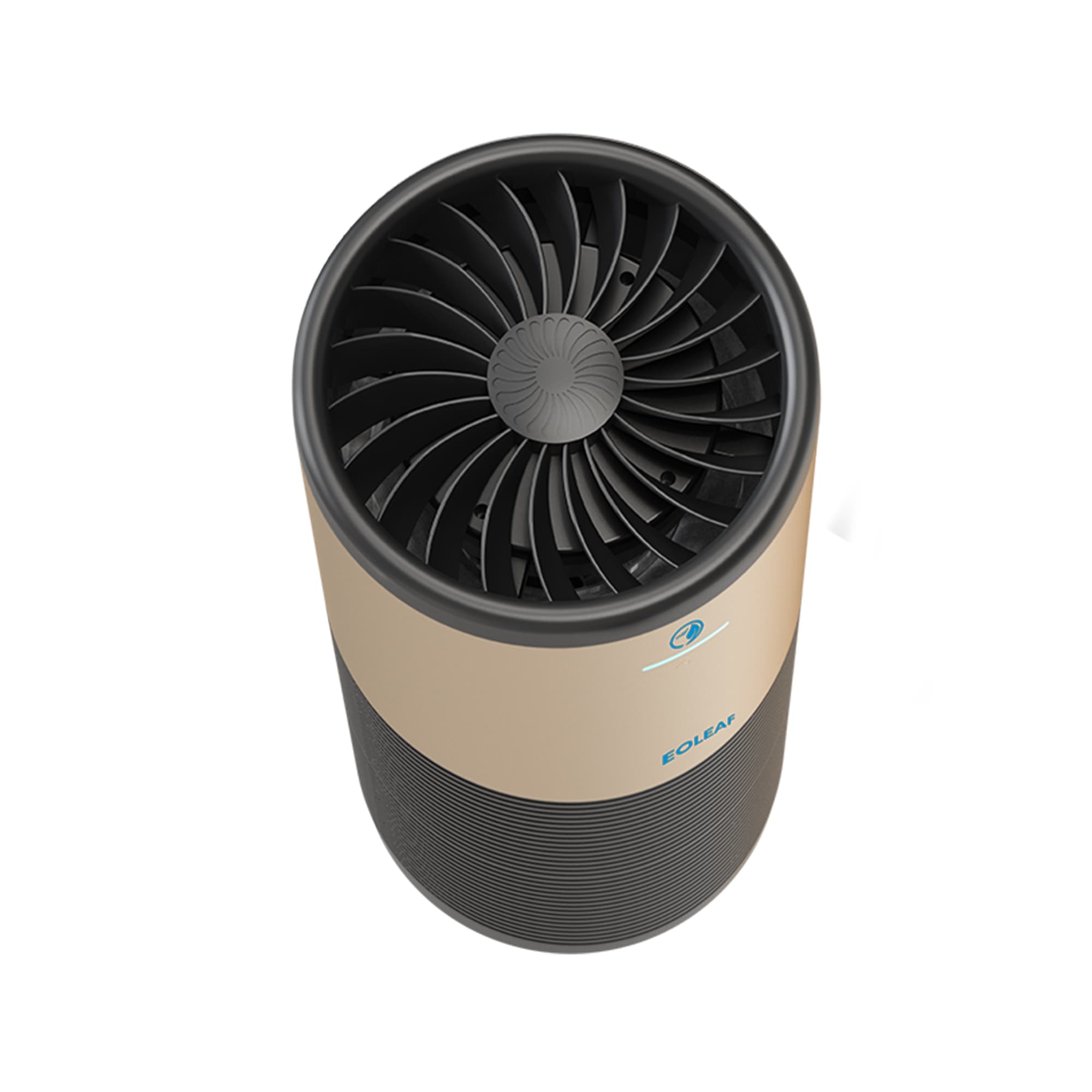
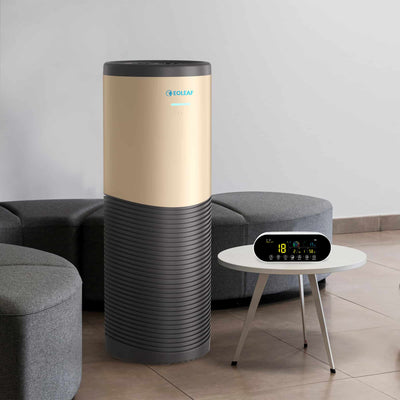
AltaPur 700 air purifier
120 m² (1300 sq ft) coverage area - Professional model
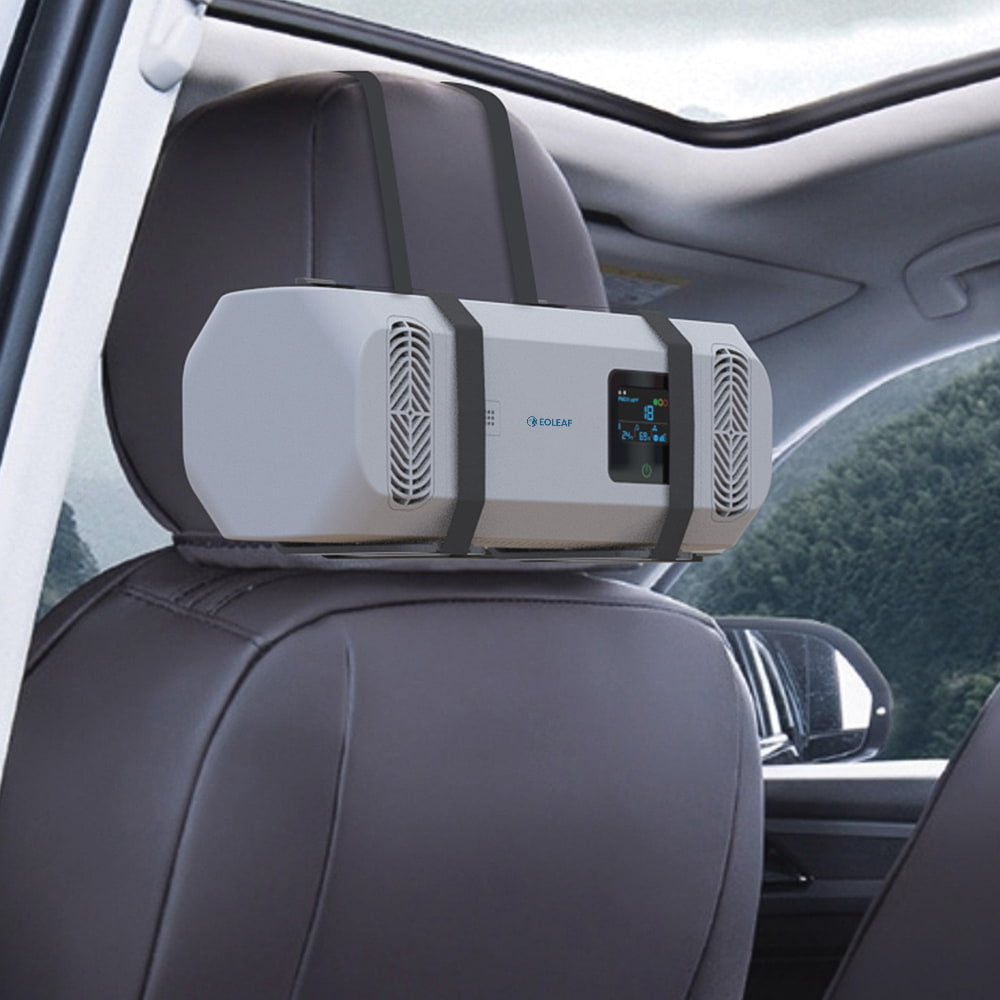
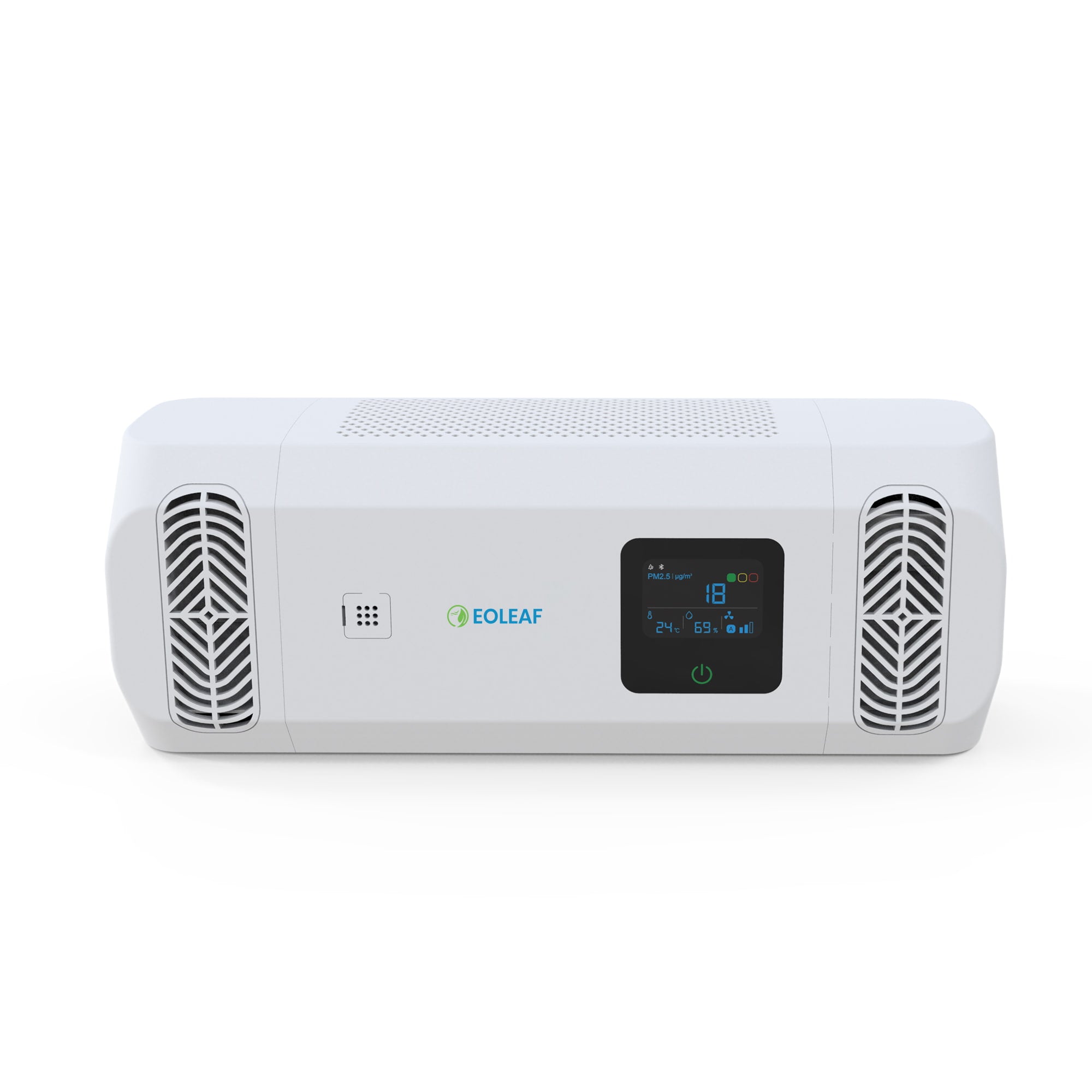
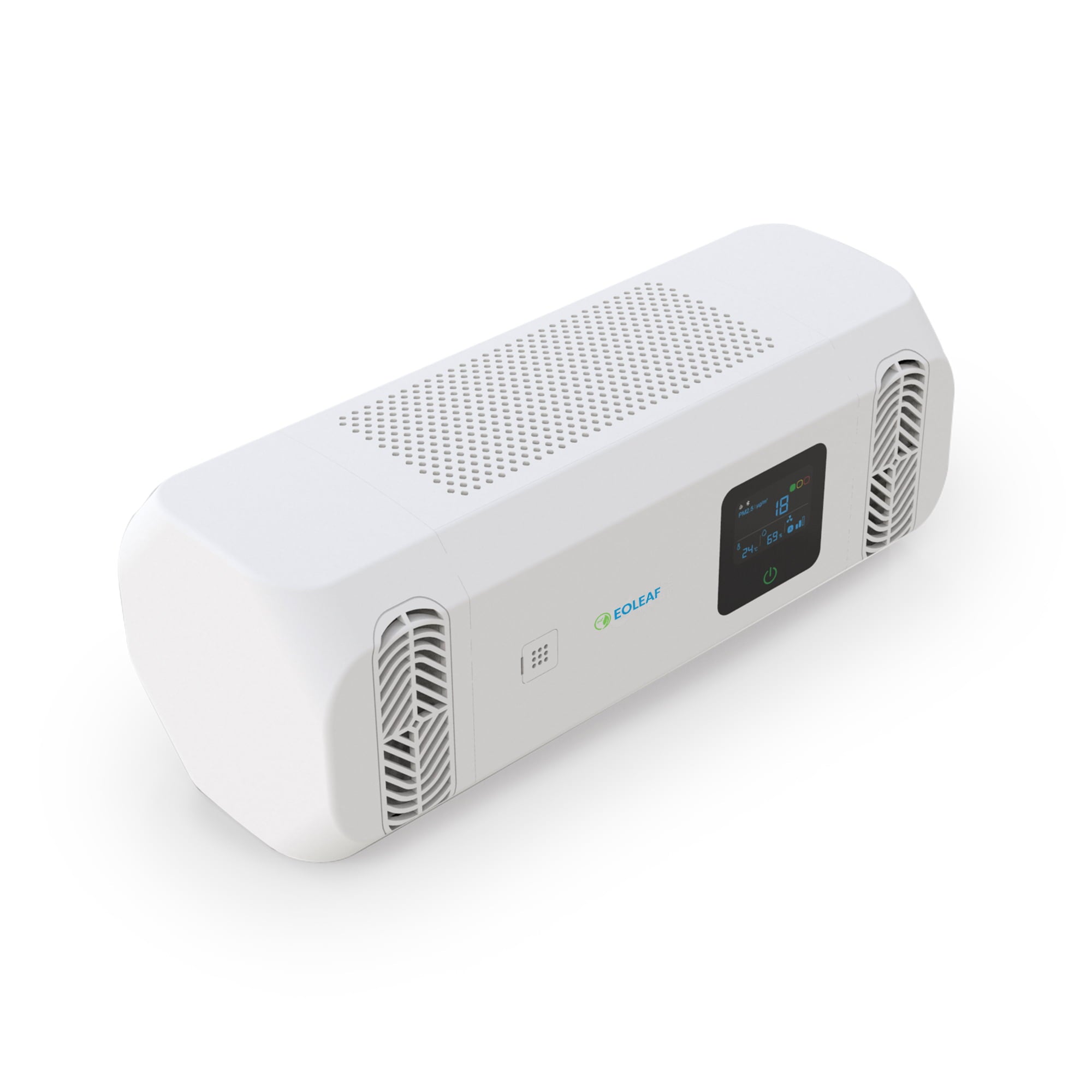
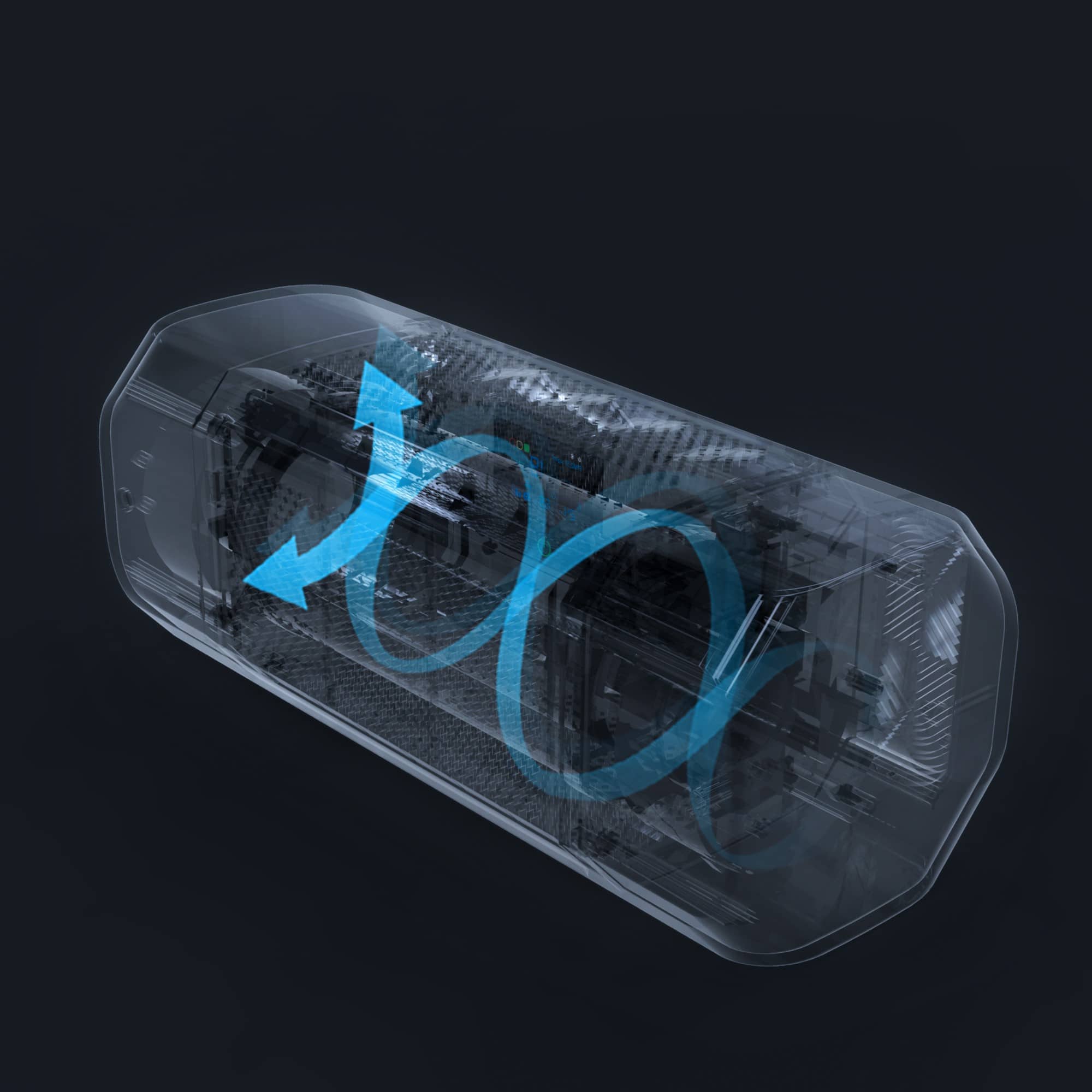
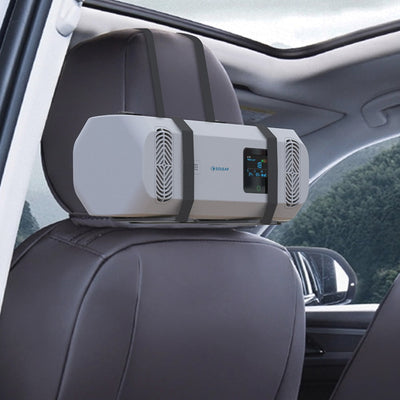
PurCar air purifier
HEPA H13 Filter & Ioniser - For all vehicles
When choosing the perfect air purifier for nitrogen oxide and urban pollution reduction, it is important to seek out a device that is:
- Equipped with the heaviest activated carbon filter available
- Contains photocatalysis technologies
- Built to target all three types of indoor pollution in order to protect your health from other harmful air pollutants and airborne dangers
This is where Eoleaf comes in. Our air purifiers offer the most comprehensive air purification technologies on the market. Thanks to their medical-grade HEPA H13-certified filters, activated carbon layers, and 6 additional technologies, they guaranteed to remove 99.97% of all pollutants down to a size of 0.01 microns in a single pass. They have been third-party tested for efficiency and certified by the most stringent regulatory bodies in Europe. The only question remains: which model is right for me?
Room size
Luckily, choosing the right Eoleaf model for your needs is easy. Since all of our air purifiers are equipped with the same 8-step air purification technology, the differentiating factor between models is, simply, their coverage area.
Coverage area is measured using the air purifier’s Clean Air Delivery Rate (CADR) and Air Changes per Hour (ACH). The formula is as follows:
- Area = CADR / (ACH x ceiling height)
CADR is one of the best ways to determine an air purifier’s efficiency. It is the volume of air that an air purifier delivers per minute, measured in cubic meters per hour (m3/h) or CFM (cubic feet per minute). ACH is the number of times that the air purifier filters all of the air in your space over the course of an hour. For general health and allergies, the WHO and CDC recommend that an air purifier achieves a minimum ACH of 3, referring to complete filtration of the air in your space three times per hour.
Given the high capacity of Eoleaf air purifiers, our models and their recommended coverage areas are listed below:
- AltaPur 700: our largest model designed for spaces of up to 120 m2 (1300 sq. ft.) with a CADR of 670 m3/h
- TeraPur 600: our medium-sized model designed for spaces of up to 80 m2 (850 sq. ft.) with a CADR of 570 m3/h
- NeoPur 400: our most compact model designed for spaces of up to 40 m2 (450 sq. ft.) with a CADR of 420 m3/h
Eoleaf air purifiers are quiet, too! Even at their fastest fan speed, they are engineered to never exceed 60 dB, allowing you to breathe fresh indoor air while keeping your peace of mind.
Protect yourself from nitrogen oxides and urban pollution with an Eoleaf air purifier
Nitrogen oxides are just one piece of the incredibly complicated puzzle that is indoor air pollution. They are common yet overlooked air pollutants that impact outdoor air quality and enter indoor spaces. Complex issues call for comprehensive solutions. Eoleaf is there to protect you and your loved ones safe from the countless dangers caused by air pollution. Discover how Eoleaf air purifiers can help improve your indoor air quality.

Sources
1 Agency for Toxic Substances and Disease Registry. (n.d.). ToxFAQs for nitrogen oxides. U.S. Department of Health and Human Services. https://wwwn.cdc.gov/tsp/ToxFAQs/ToxFAQsDetails.aspx?faqid=396&toxid=69
2 César, A. C. G., et al. (2015). Association between NOₓ exposure and deaths caused by respiratory diseases in a medium-sized Brazilian city. Brazilian Journal of Medical and Biological Research, 48(12), 1130–1135. https://doi.org/10.1590/1414-431X2015439
3 Health and Environment Alliance. (2023). NO₂ briefing. https://www.env-health.org/wp-content/uploads/2023/06/NO2_briefing_EN.pdf
4 Jhun, I., et al. (2014). The impact of nitrogen oxides concentration decreases on ozone trends in the USA. Air Quality, Atmosphere & Health. https://pmc.ncbi.nlm.nih.gov/articles/PMC4988408/
5 Paulin, L. M., Diette, G. B., Scott, M., McCormack, M. C., Matsui, E. C., Curtin-Brosnan, J., Williams, D. L., Kidd-Taylor, A., Shea, M., Breysse, P. N., & Hansel, N. N. (2014). Home interventions are effective at decreasing indoor nitrogen dioxide concentrations. Indoor Air, 24(4). https://doi.org/10.1111/ina.12085
6 Santé publique France. (2025, January 29). What is air pollution? https://www.santepubliquefrance.fr/en/air/what-air-pollution
7 ScienceDirect. (2025). Article PII: S2772416625001822. https://www.sciencedirect.com/science/article/pii/S2772416625001822
8 UCAR Center for Science Education. (n.d.). Nitrogen oxides. SciEd. https://scied.ucar.edu/learning-zone/air-quality/nitrogen-oxides
9 World Health Organization. (n.d.). Nitrogen dioxide. In WHO Guidelines for Indoor Air Quality: Selected Pollutants. NCBI Bookshelf. https://www.ncbi.nlm.nih.gov/books/NBK138707/
10 ScienceDirect. (2025). Article PII: S2772416625001822 (Reference 15). https://www.sciencedirect.com/science/article/pii/S2772416625001822#bib0015
11 Rubel, A. M., & Stencel, J. M. (1996). Effect of pressure on NOx adsorption by activated carbons. Energy & Fuels, 10(3), 704–708. https://doi.org/10.1021/ef9501861
Eoleaf's range of air purifiers
NeoPur 400 air purifier
40 m² (450 sq ft) coverage area - Smart & Connected
TeraPur 600 air purifier
80 m² (850 sq ft) coverage area - Ultimate all-in-one
AltaPur 700 air purifier
120 m² (1300 sq ft) coverage area - Professional model
PurCar air purifier
HEPA H13 Filter & Ioniser - For all vehicles