Buying an air purifier for dust
Dust is something we all find in our homes at one point or another: trapped under our beds, on our furniture, and even suspended in the air we breathe in our rooms. These seemingly harmless dust particles are, however, not as harmless as we think, sometimes even containing radioactive elements! Dust particles also lead to common and unpleasant allergy symptoms, especially for those who are allergic or sensitive to airborne dust. The top air purifiers designed to remove all types of indoor air pollution, especially dust, will contain the best-adapted technologies designed to improve indoor air quality, but which one is the best to choose? Read on to learn more about dust, how we can protect ourselves from its health effects, and how to choose the best air purifiers for dust.

What is dust?
Interestingly enough, there is a common misconception that dust consists almost entirely of dead skin cells. While that is certainly a portion of dust’s composition (about one third of its make-up), the majority of dust (upwards of two-thirds) found in our homes is material that comes from outside (1).
When you walk outdoors, particles all get tracked into your home on your shoes, clothes, and even your skin. According to a program in Australia called DustSafe where individuals from 35 different countries send in dust samples from the rooms in their homes for analysis, the results have been astounding: the particles you bring in from outside can be seriously dangerous to your health. They may include the typical suspects like dust mites, pollen, and soot, but they may also include fine particle pollution, trace metals, radioactive elements, microplastics, and perfluorinated chemicals (PFAS)1. Once brought indoors, these particles then settle onto the surfaces of your home but can easily become airborne when you clean, hoover, shake out rugs, and move about.
Some of the more notorious locations that collect dust are electronic devices like televisions and computers, rugs and carpets, ceiling fans, skylights, awnings, door frames, windows, and armoires.
Buying an air purifier for dust
-
Filters 99.97% of dust and pollutants using unique and innovative filtration technologies
-
Real-time air quality data
-
Quiet yet powerful devices (up to 670 m3/hr)
-
Discreet and elegant design
-
Easy to use (equipped with Automatic mode) and does not require installation or assembly
-
Can be placed anywhere in your space thanks to our 360° technology
-
Can be controlled remotely via smartphone app
-
Smart and customisable devices (smart scheduling, automatic power off/on, etc.)
Dust’s effects on health
The degree by which a person is impacted by dust depends upon how the dust is inhaled: particle size, in which quantity, whether inhaled deeply, through the nose or mouth, and how many times throughout the day.
As we all know, dust can lead to allergies in many individuals, causing sneezing, coughing, a runny nose, congestion, and even breathing difficulties or trigger asthma attacks in those with asthma. Prolonged exposure to dust may also create extreme sensitivity.
The contaminated particles mentioned in the previous section of this article that are found in your household dust can be contributors to poor indoor air quality and pollution. This may cause significant effects on your health and daily well-being. Studies show that indoor air pollution in our rooms/spaces can lead to negative health effects like various cancers, respiratory and immune conditions and diseases, and birth defects to name a few (read more here about the effects of air pollution on our health).

Do air purifiers help with dust?
Air purifiers serve as an important and highly effective tool in the removal of airborne dust from indoor spaces. However, not all air purifiers do so with the same efficiency. Medical-grade, HEPA-certified air purifiers, like Eoleaf’s, capture 99.97% of all airborne pollutants down to 0.01 microns in a single pass. This includes fine particles, volatile organic compounds (VOCs), germs, and more.
In regards to air purifiers for dust specifically, HEPA-certified air purifiers reduce airborne dust and capture dust, reducing concentrations by 40-70%. Studies have shown:
-
HEPA-certified air purifiers reduced PM2.5 (fine dust) by 50–70% in indoor environments (2)
-
HEPA-certified purifiers reduced dust mite exposure by 40–60%, leading to improved allergy symptoms in participants (3)
-
Air purifiers with HEPA + activated carbon filters reduced Der p1 (dust mite allergen) levels by 30–50% in bedrooms (4)
-
Purifiers with CADR > 300 m³/h (e.g., Eoleaf AltaPur 700 at 670 m³/h) removed dust particles 2–3x faster than lower-CADR models (5)
High indoor airborne dust concentrations are linked to respiratory diseases, allergies, and cardiovascular issues. Reducing dust particle concentrations with a hEPA-certified air purifier is a proven way of mitigating the problem of indoor dust.
The benefits of an air purifier for combatting dust
An air purifier that is equipped with the right purification technologies will be extremely effective at removing dust, but also at improving overall indoor air quality. In order to capture and eliminate dust particles and to remove allergens like dust, pollen, pet hair and pet dander, and mold spores from your breathing air, an air purifier must be equipped with technologies capable of removing both fine and nano particles.
You may be wondering: do I need an air purifier? There are countless benefits to investing in an air purifier for dust. A couple of them include alleviating and even capturing airborne dust mites, the source of most unpleasant allergy symptoms.
Fight against allergies
Investing in an air purifier for dust with a HEPA filter (read more below) to combat dust allergy is an excellent way to ease allergy symptoms (also known as allergic rhinitis) which may cause a runny or stuffy nose, congestion, sneezing, coughing, and/or eye and throat irritation. For those who are particularly sensitive, dust may trigger asthma attacks and skin irritation like eczema. This is due to the inhalation of dust particles that act as a respiratory allergen and, in some, trigger an immune response.
Breathing clean air by reducing dust concentrations with a high-performance air purifier is an efficient method of easing unpleasant symptoms. HEPA-certified air purifiers help encourage healthier living in your indoor spaces by capturing all airborne particles that pose a danger to your health like smoke.
Rid your home of dust mites found in dust
A dust air purifier with a high-quality filter can also help remove dust mites from your home and breathing air. Dust mites are often the root cause of dust allergy symptoms: humans are often sensitive or allergic to their droppings and skin cells which are commonly found in our homes, especially in our living rooms and bedrooms (and in our bedding!).
Aside from allergies, an air purifier for dust and dust-sized particles can protect you from the various negative health effects like allergies and the triggering of asthma attacks.
What do the experts say?
"Air purifiers equipped with HEPA filters are particularly effective at removing dust, dust mites, and fine particles from the air. In indoor environments, where dust can exacerbate allergies and respiratory issues, these devices significantly improve air quality by capturing up to 99.97% of particles as small as 0.01 microns. A simple yet essential solution for homes or sensitive spaces."
— Dr. Laurent, Allergist and Indoor Air Quality Expert
How do air purifiers work for dust?
How does an air purifier work to remove dust? As is the case when combatting any type of indoor air pollution, an air purifier would be nothing without its filtration technologies. An air purifier for dust works by pulling polluted air into the unit using a powerful fan. The polluted air is then passed through filter media - depending upon the unit in question, it may be one or more filtration technologies. Eoleaf’s 8-step air purification technology works as follows:
-
Most high-end air purifiers’ first line of defense is a pre-filter that removes larger dust particles and keeps them out of the finer filter mesh, prolonging their lifespan.
-
Next comes a bamboo filter with an antibacterial coating.
-
Once the larger impurities are captured by the pre-filter, a true HEPA filter (H13-certified) jumps into action: it removes 99.97% of particulate matter (fine and nano particles) down to 0.01 microns in a single pass. Even the smallest dust mites and dust particles are removed from the air.
-
A heavy-duty activated carbon filter is then employed to remove volatile organic compounds (VOCs) and other forms of chemical pollution. It is essential that an air purifier be equipped with at least a HEPA and carbon filter in order to capture both fine particles and chemical pollution.
-
An additional filtration system (filtration technology, not a physical filter) called photocatalysis technologies works in tandem with the heavy-duty activated carbon filter to target other types of complex chemical pollution.
-
The polluted air is then treated by UVC sterilization technologies, an absolutely essential step that ensures not only the destruction of viruses and bacteria but that the filter itself is sterilized, making it safe for handling during filter changes and reducing the risk of recontamination.
-
Last but not least is another filtration technology: ionization. This is the final step that further removes more complex fine particles, especially those generated by smoke.
How to choose and size your air purifier for dust removal
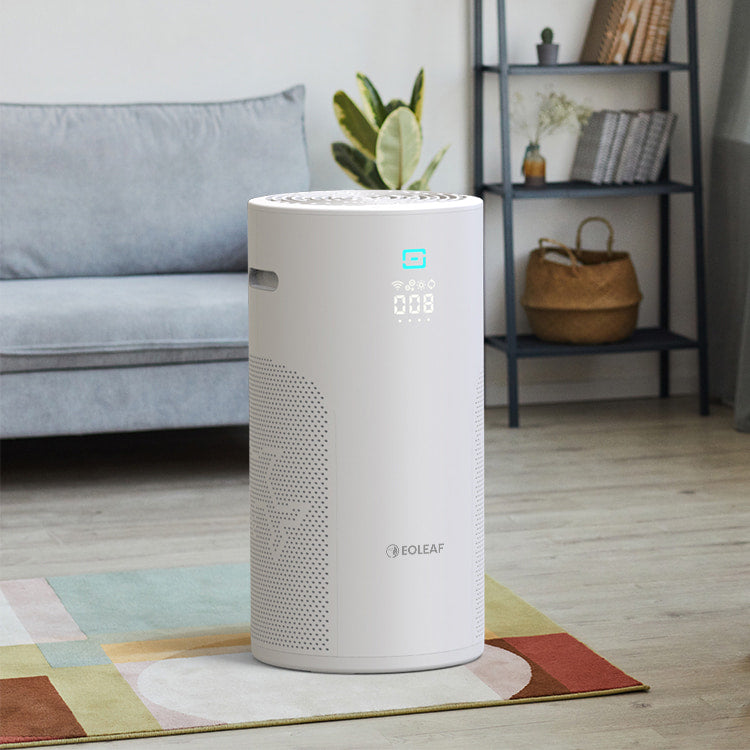
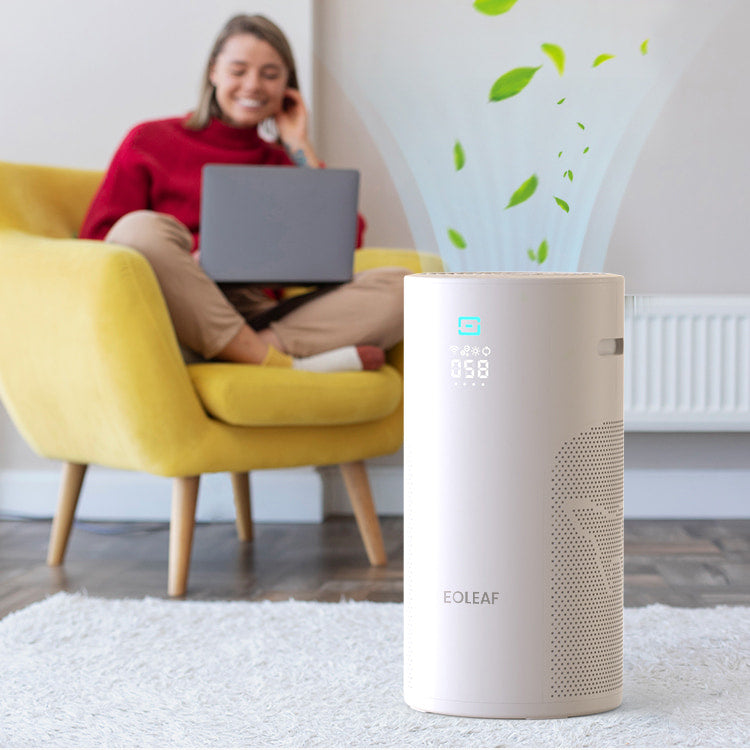
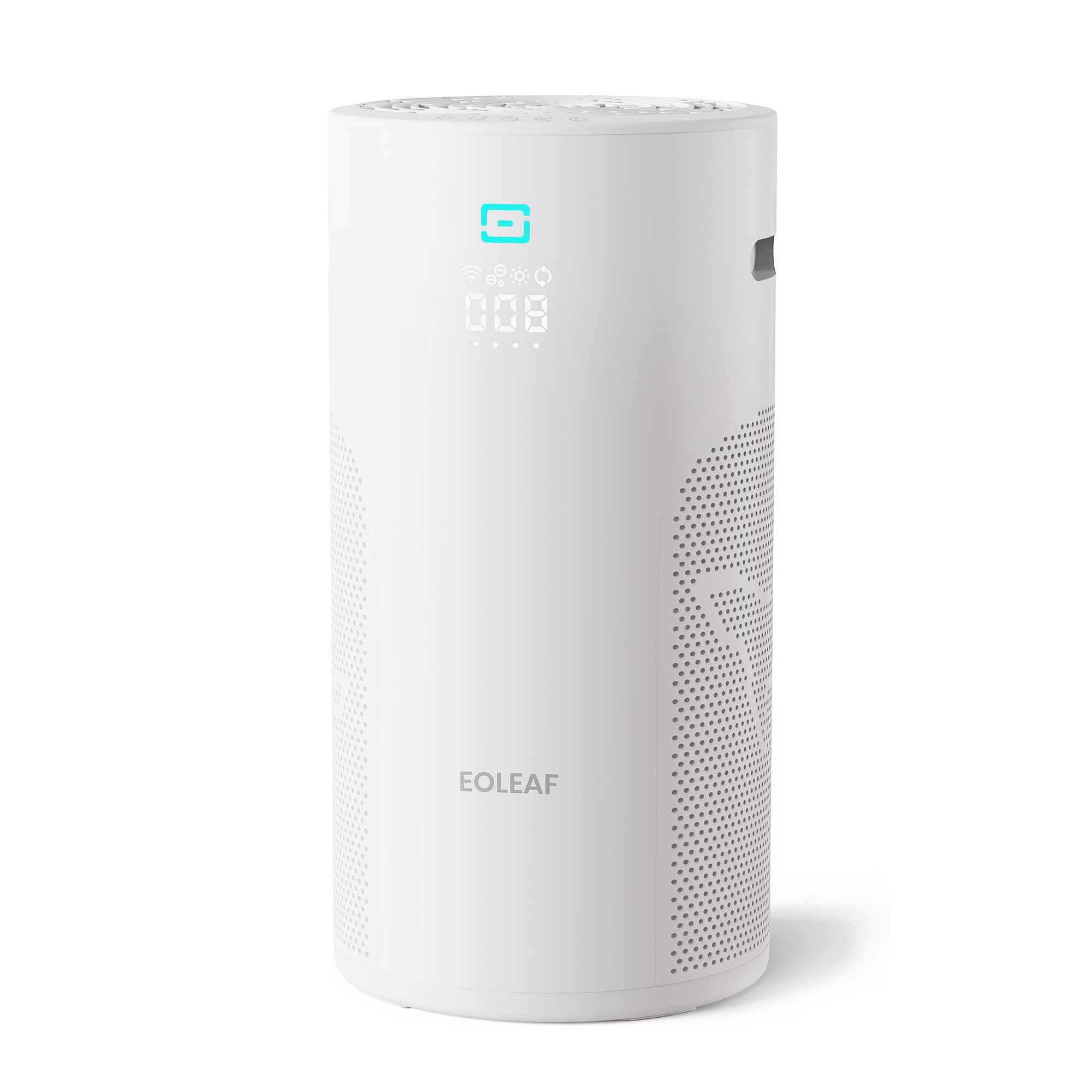
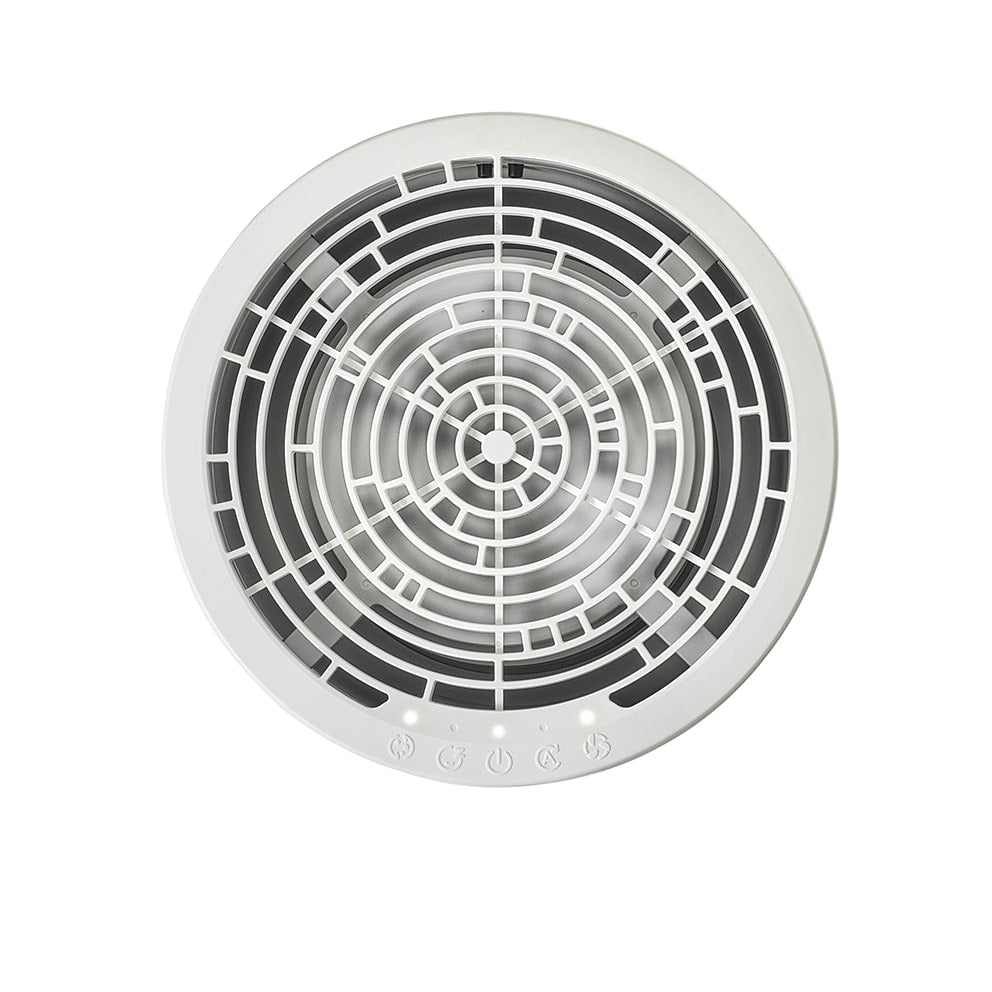
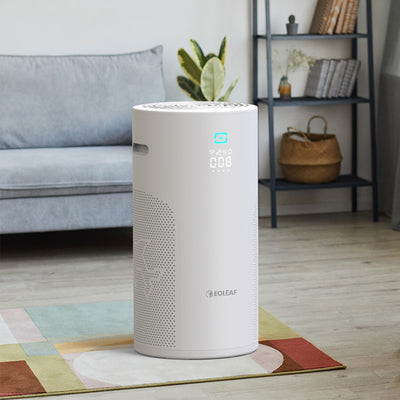
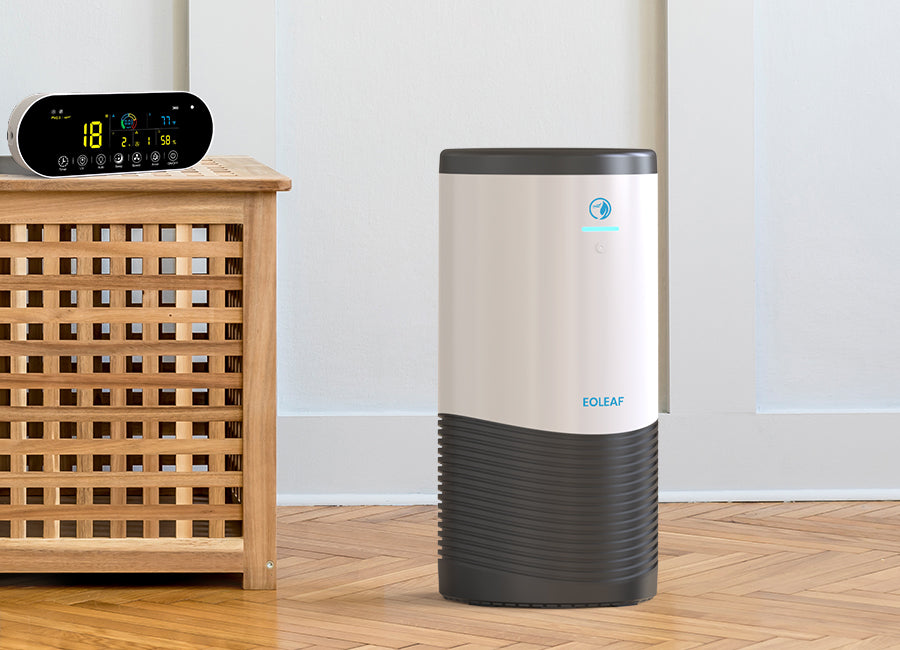
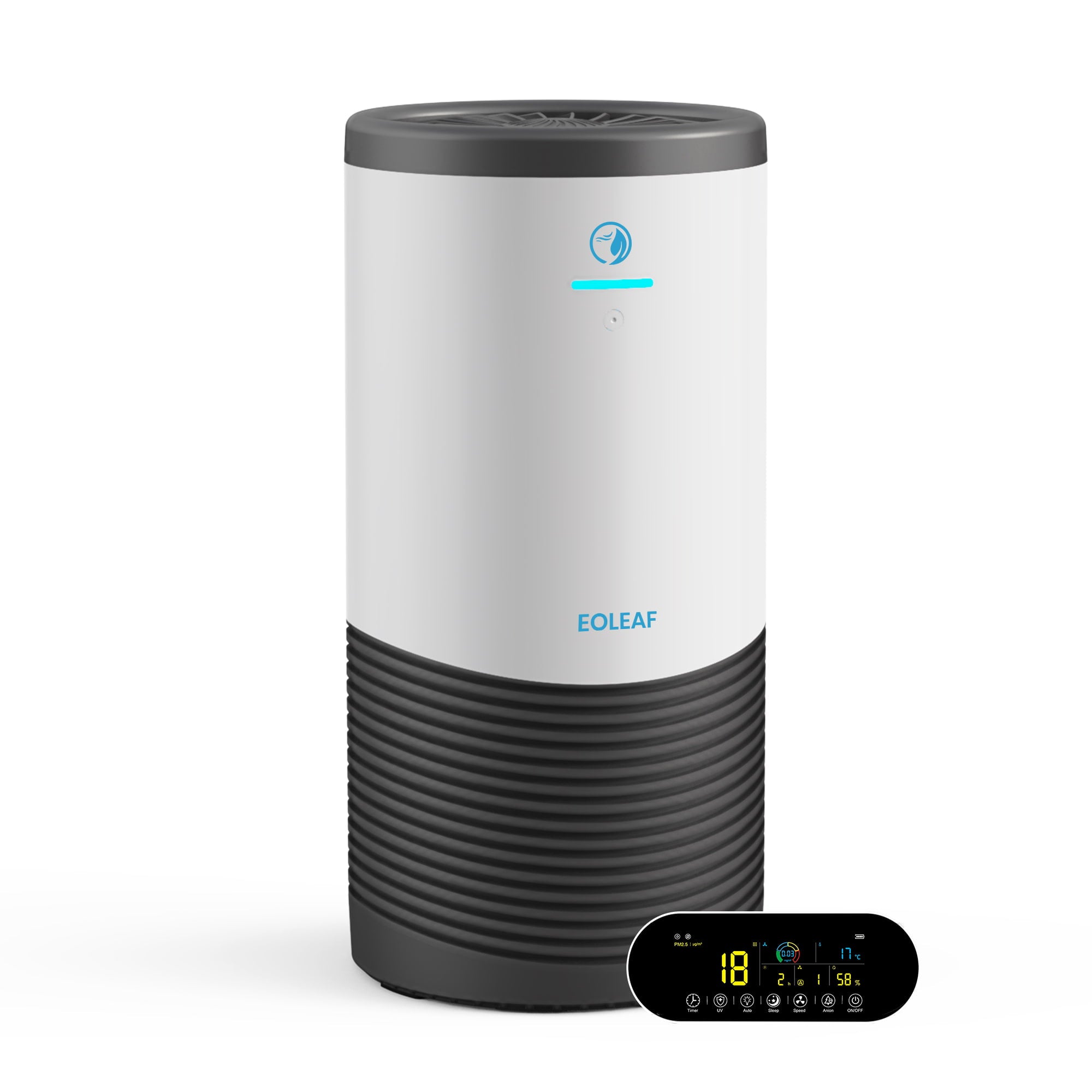
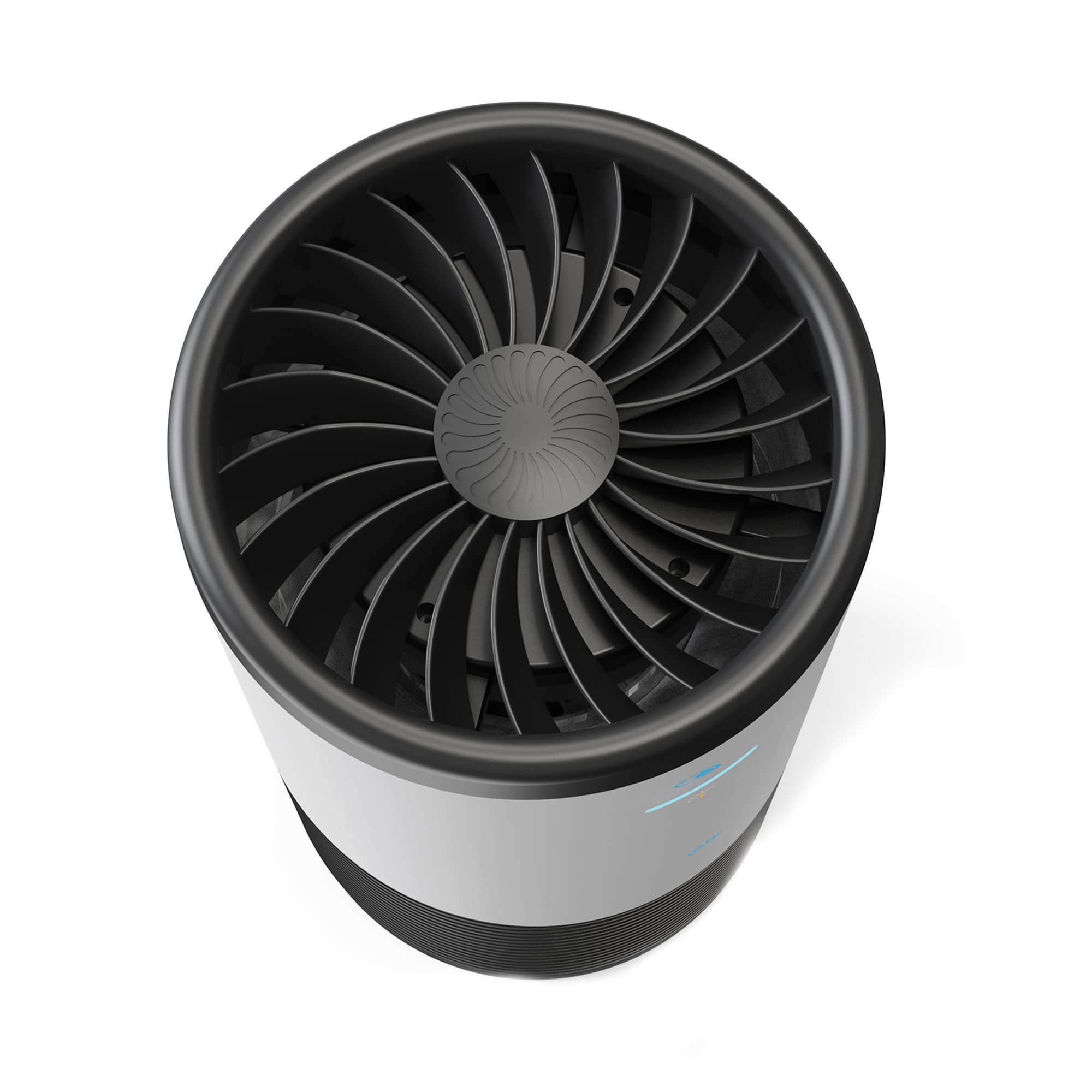
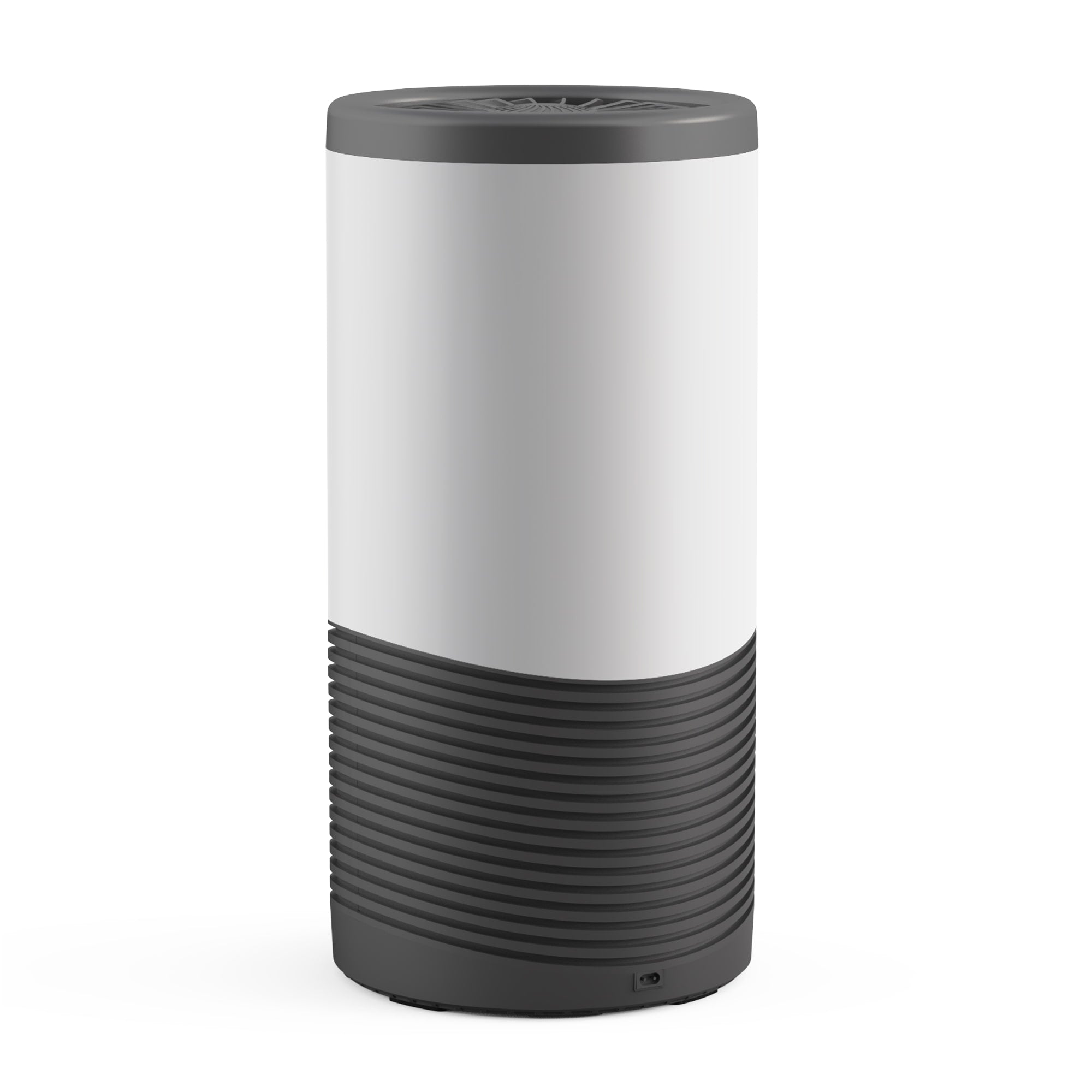
NeoPur 400 air purifier
40 m² (450 sq ft) coverage area - Smart & Connected
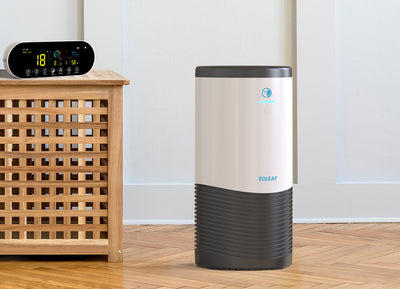
TeraPur 600 air purifier
80 m² (850 sq ft) coverage area - Ultimate all-in-one
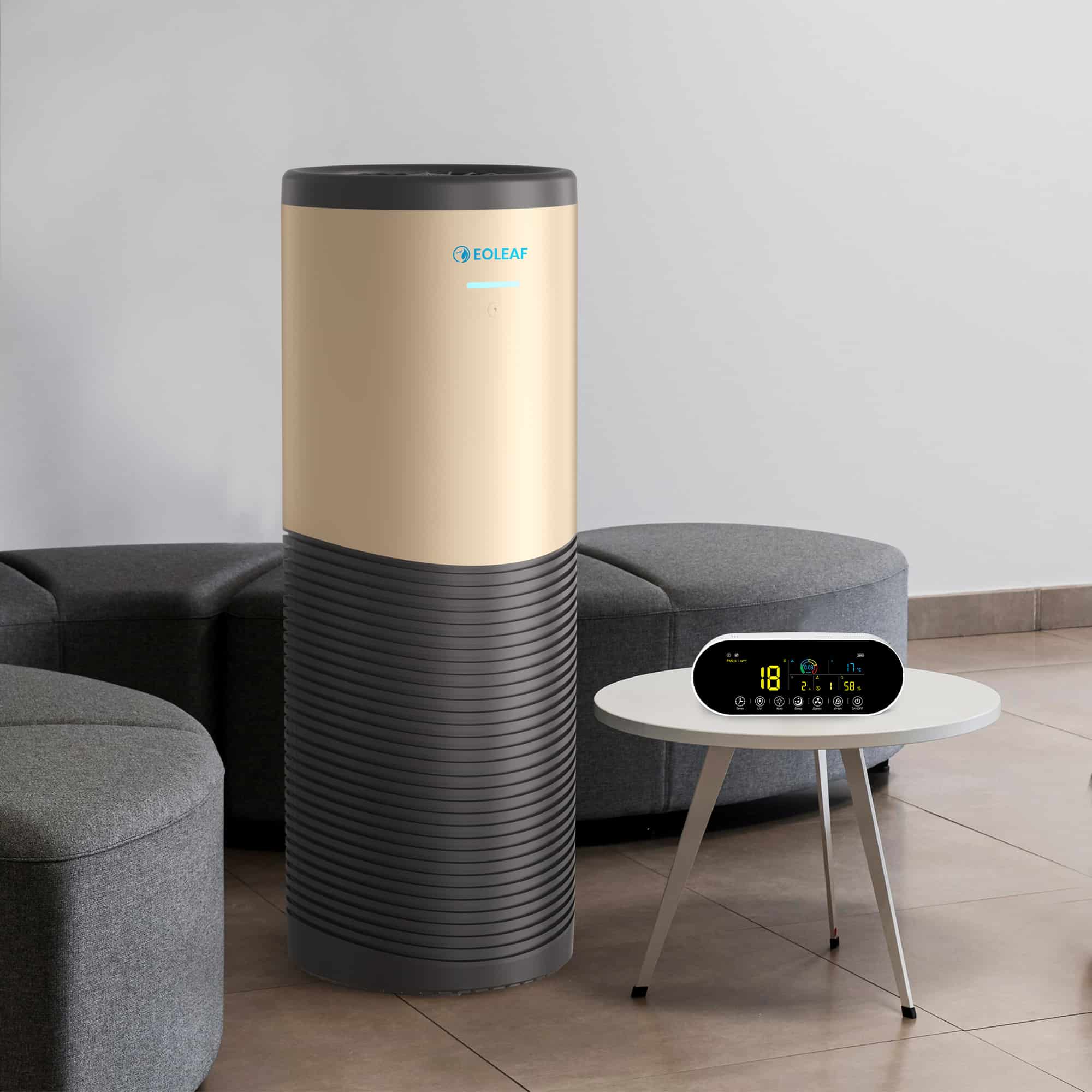
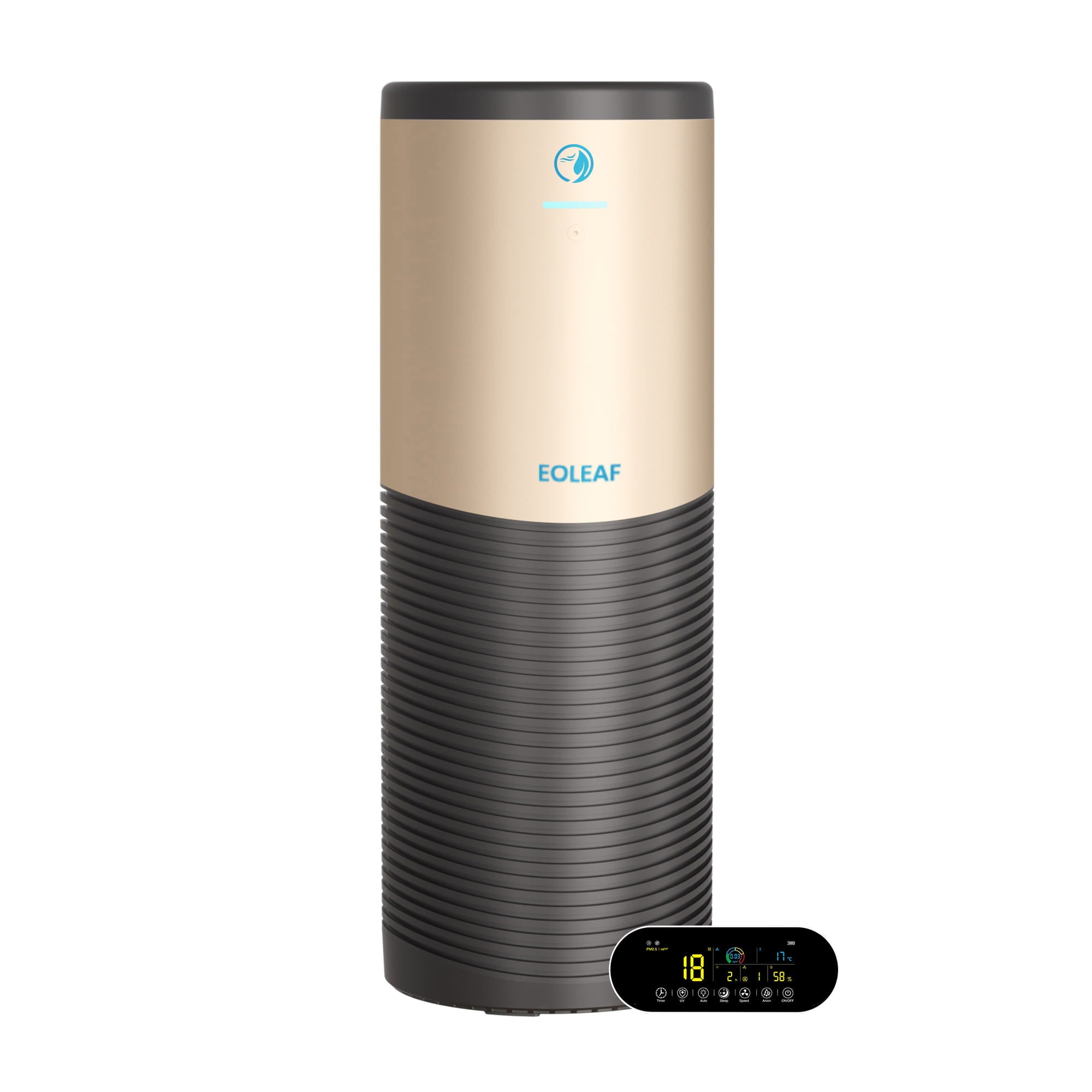
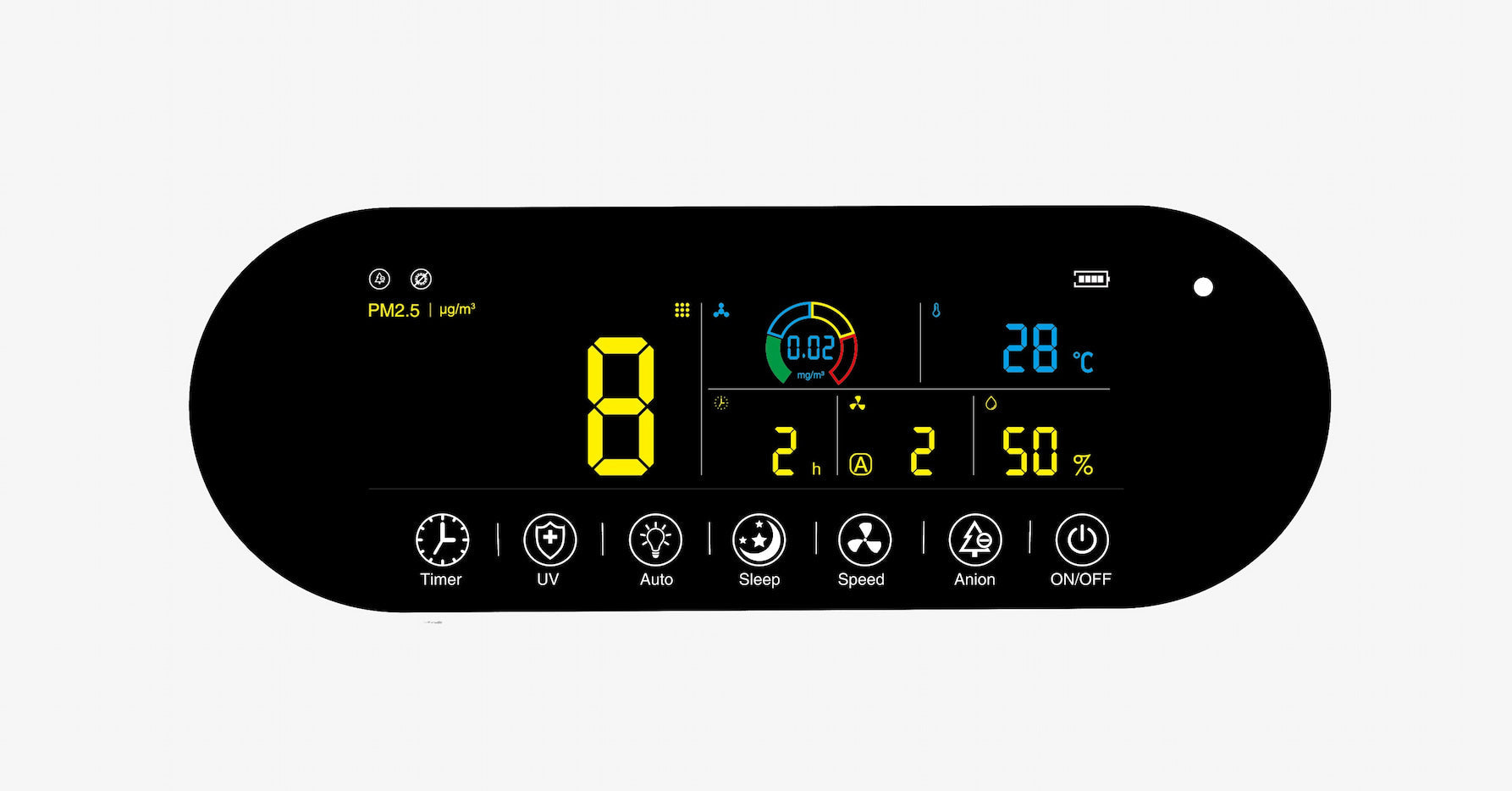
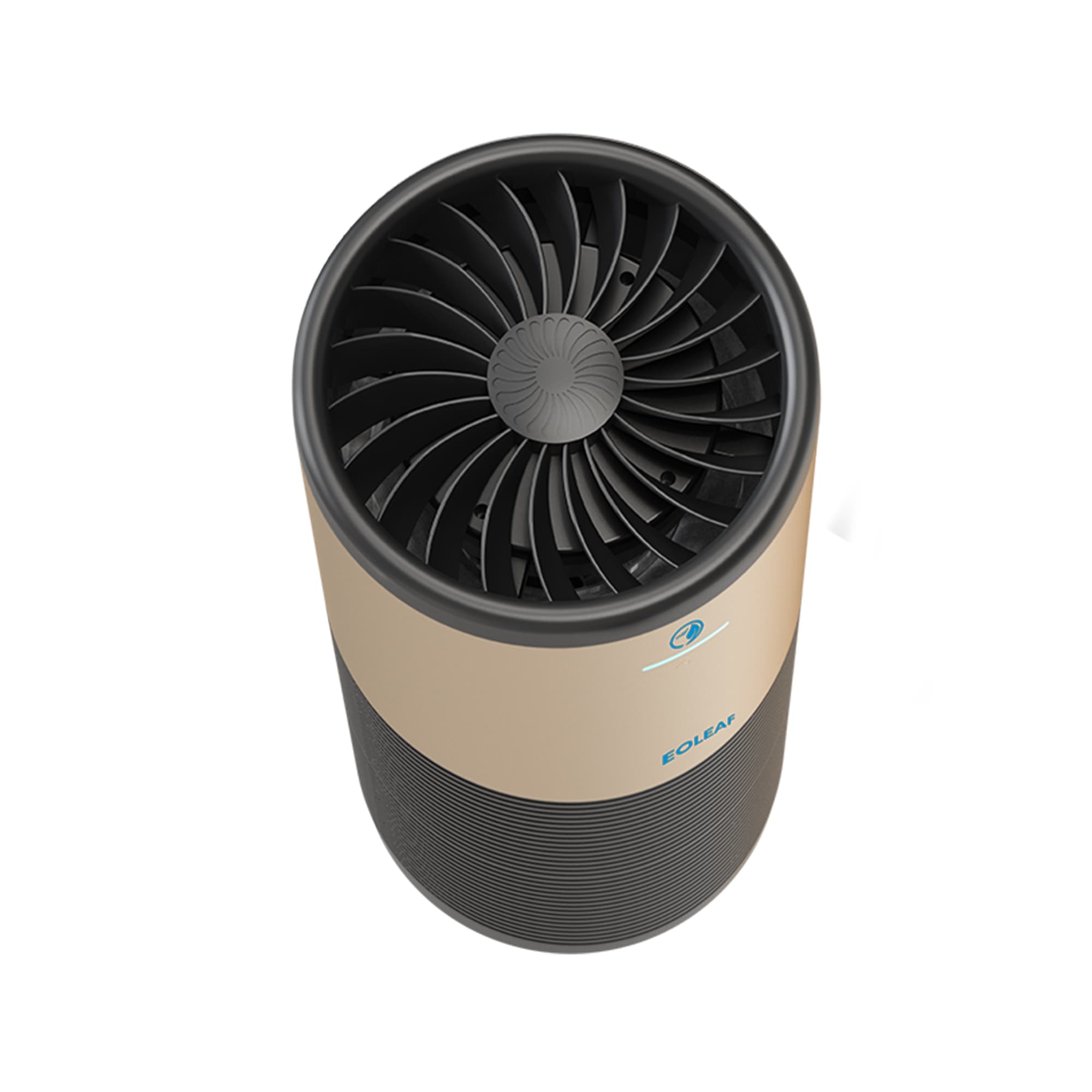
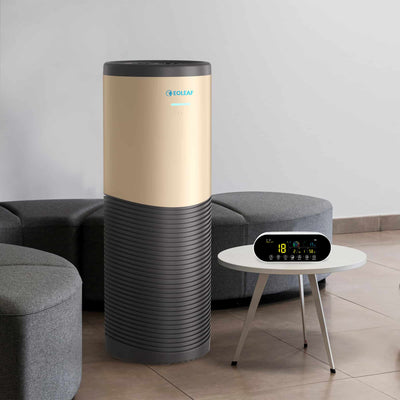
AltaPur 700 air purifier
120 m² (1300 sq ft) coverage area - Professional model
Sizing your air purifier
It is essential that an air purifier be properly sized to your space for optimal dust removal and the removal of other types of air pollutants. Choose air purifier models designed to clean the air in rooms/spaces of a specific size and weight.
To properly determine sizing, compare air purifiers based on their:
-
CADR (Clean Air Delivery Rate) or CFM (Cubic Feet per Minute): The higher the CADR or CFM rating, the more efficient the purifier is for a given room size. It indicates the device’s efficiency in particulate removal for certain types of pollutants.
-
ACH (Air Changes per Hour): ACH refers to the number of times the air in a space is completely replaced by purified air. For an air purifier to be considered effective, it must achieve at least 3 ACH (meaning the air is replaced a minimum of 3 times per hour).
It is ideal for an air purifier to have a heavy, durable filter. Size and weight matter: the heavier the filter, the more air pollutants it is capable of storing. Ask your air purifier’s manufacturer before buying for its filter weights. Additionally, consider the power consumption to ensure energy efficiency, and check price to find the best value for your needs.
Filtration type
This is the most important part of choosing an air purifier. Ensure that it contains a variety of high-quality air purification technologies that target all forms of indoor air pollution. The air purifier market is diverse, offering air purifiers with a wide variety of filter types and filtration technologies to tackle air pollutant particles of various sizes including pre-filters, HEPA-certified filters, activated carbon filters, ionisation, UV sterilisation, photocatalysis, and more. Eoleaf’s air purifiers, for example, offer some of the best dust air purifiers on the market, boasting all of the above as part of our 8 filtration technologies!
-
Buyer beware: ensure that your HEPA air purifier is true HEPA! Some low-cost air purifiers claim to have ‘HEPA-type filters’. These filters may be cheaper but are not guaranteed to filter particles down to a size of 0.01 μm like certified HEPA filters.
Noise level
If you live in a small space, are looking to filter the air in a quiet room, or are a light sleeper, you will want to look for a device that is powerful yet quiet. Eoleaf’s air purifiers come equipped with a Night Mode setting which dims all of the indicator lights and keeps the device running on its lowest speed, allowing you to enjoy purified air peacefully whilst you sleep.
Refer to our Buying Guide for more detailed information to help answer any questions you might have about dust air purifiers and/or filters before purchasing your device. For additional assistance, contact us.

What is the price range for air purifiers?
Due to the fact that there are so many types of air purifiers for sale and filters available on today’s market, their prices range drastically. It helps to consider your specific needs and choose a dust air filter accordingly.
Check price before buying, but consider the multiple factors in air purifier budgeting! Remember: there are typically three costs associated with purchasing a dust air purifier: 1) the initial purchase of the device, 2) maintenance costs (cost of replacement filters), and 3) energy consumption.
Buying an air purifier
- Budget air purifiers may be cheaper at first, but this is temporary! Inexpensive replacement filters equipped with cheap air purifiers usually need to be replaced several times a year, whereas high-quality filters, like Eoleaf’s, need replacing only once a year. This will ultimately increase your long-term budget and decrease your device’s long-term value
To ensure that your energy consumption and associated costs are low, make sure that you choose a device that is energy efficient with multiple power settings. It also helps to read dust air purifier reviews before making your purchase. Affordable air purifiers that offer smart features like Auto mode and multiple fan speeds are typically more energy efficient: leaving the device running at a lower fan speed most of the time, or allowing the device to automatically increase fan speed when necessary, ensures that your device will consume little energy. For business use, consider models that offer the best value.
What features to look for in an air purifier for dust?
Choosing an air purifier for dust removal may feel like a daunting task. With so many choices available on the market, be sure to compare air purifiers and choose an air purifier for dust that will meet your needs. Some factors to keep in mind before purchasing your air purifier can be found in our convenient checklist below of what to look for in an air purifier for dust:
-
Filtration technologies: HEPA-certified? Heavy-duty activated carbon filter?
-
Smart features like Auto mode and multiple air quality sensors?
-
Noise level?
-
Energy-efficient power settings and power consumption (Auto mode? Night mode? Multiple fan speeds?)
-
Air purifier sizing calculated for your space?
-
CADR (Clean Air Delivery Rate) or CFM rating verified for optimium particulate efficiency
-
ACH rate confirmed to be 3 or more
-
Filter weight verification?
-
Budget?
-
Check initial pricing of the device itself
-
Check filter costs and replacement frequency
-
Check for low energy consumption
What are the best air purifiers for dust in 2026?
Now that you’ve considered the main features of how to choose a high-quality air purifier for dust, how do Eoleaf air purifiers stand up to the competition? Let’s take a look and compare air purifiers to uncover the top air purifiers of 2026. Whether you're searching for the best air purifiers for dust, the 5 best air purifiers, or simply air purifiers tested for performance, this comparison will help you make an informed decision.
| Modèle | Levoit Core 400S | Philips AC2887/10 | Coway Airmega 400 | Blueair Blue Pure 311 | Dyson Hot+Cool | Shark Air Purifier 6 | Eoleaf AltaPur 700 |
|---|---|---|---|---|---|---|---|
| Filtre certifié HEPA | Non explicité comme certifié HEPA | Non certifié tierce partie (technologie "NanoProtect HEPA") | Non explicité comme certifié HEPA | Non certifié tierce partie (technologie "HEPASilent™") | Certifié HEPA H13 (UE uniquement) | Non certifié explicitement ("Filtre HEPA") | ✓ Certifié HEPA H13 |
| Poids filtre charbon actif | 0,5 kg estimé | 0,8 kg estimé | 1,2 kg estimé | 0,6 kg estimé | 0,4 kg estimé | 0,3 kg estimé | 1,25 kg confirmé |
| Poids total du filtre | ~1,2 kg estimé | ~1,5 kg estimé | ~2,0 kg estimé | ~1,3 kg estimé | ~1,0 kg estimé | ~0,8 kg estimé | 3,6 kg confirmé |
| Stérilisation UVC | ❌ | ❌ | ❌ | ❌ | ❌ | ❌ | ✅ (UVC + Ionisation) |
| Fonctionnalités intelligentes | WiFi, Mode Auto, Capteur de qualité d'air | Mode Auto, Capteur de qualité d'air | WiFi, Mode Auto, Capteur de qualité d'air | Mode Auto, Capteur de qualité d'air | WiFi, Mode Auto, Capteur de qualité d'air | Mode Auto | WiFi, App, Mode Auto, Mode Nuit, Capteur d'air, Commandes vocales & mains libres |
| Niveau sonore (max) | 52 dB | 61 dB | 43 dB | 56 dB | 64 dB | 58 dB | 60 dB (vitesse 5) |
| CADR (Débit d'air) | 240 m³/h confirmé | 300 m³/h confirmé | 558 m³/h confirmé | 350 m³/h confirmé | Pas de CADR (Test POLAR propre) | ~250 m³/h estimé | 670 m³/h confirmé |
| Prix de l'appareil | 250 € | 400 € | 600 € | 350 € | 650 € | 200 € | 800 € |
| Coût et fréquence de remplacement des filtres |
|
|
|
|
|
|
|

Frequently asked questions
What are the best air purifiers for dust?
The best air purifiers for dust are those that are engineered and certified to remove air pollutants of all types and sizes. Eoleaf air purifiers offer 8 different filtration technologies, each of which are designed to target a different form of air pollution. They are also HEPA H13-certified with heavy, durable activated carbon filters as well as photocatalysis, UVC sterilization, and ionization technologies. Eoleaf air purifiers provide the best all-around solution to indoor air pollution, especially dust and dust mites.
How do air purifiers work for dust?
Air purifiers for dust work by pulling in polluted air using a powerful fan, pushing the air through one or multiple filters and/or filtration technologies, and releasing the purified air back into your space. Filters and filtration technologies ensure that the air is clean and safe to inhale.
Do air purifiers help with dust?
Yes, but not all air purifiers are created equally! Studies have shown that medical-grade (H13 or H14-certified) air purifiers significantly reduce dust concentrations by upwards of 70%. Certification is essential in that it guarantees that the device has been third-party tested for efficiency.
What features to look for in air purifiers?
Air purifiers for dust should have multiple air purification technologies (including at least a medical-grade HEPA-certified filter and an activated carbon filter). It should have a high CADR rating and achieve an ACH of a minimum of 3. It should be silent but powerful, equipped with smart features like Auto mode, air pollution sensors, and Wi-Fi/app compatibility for easy indoor air quality tracking and management.
How to choose an air purifier for dust?
When choosing an air purifier for dust, one of the most important details to consider is its filtration technologies. Does it contain a HEPA-certified filter, ideally medically-grade (H13 or H14)? Does it offer other technologies as well in order to combat other forms of air pollution, like an activated carbon filter and UVC sterilization technologies? Does it come equipped with smart features like Auto mode to allow the device to automatically increase its fan speed with the incoming of new pollutants? Is it properly sized in order to filter all of the air in your space? These are just a few factors to consider, but they are arguably the most important.
What is the price range for air purifiers?
Air purifiers range anywhere from €200 to €2000. The initial cost of the device will vary depending upon its power (CADR), its coverage area, and the filtration technologies it offers. However, pricing depends upon multiple factors, not just the initial cost of the device itself. Keep in mind that maintenance costs (replacement filters) make up a significant part of an air purifier’s budget in the long-term. Low-cost air purifiers, for example, will require more frequent filter changes in the long-term.
What are the benefits of using air purifiers?
Air purifiers have countless benefits when used in our indoor spaces. Seeing as we spend 90% of our time indoors, it is important to ensure that we are breathing clean air. A high-performance air purifier will target all forms of indoor air pollution that have negative effects on our health including fine particles, chemical pollution and harmful gases (like VOCs), airborne germs (viruses and bacteria), and heavy metals, to name a few. In humans, these molecules can lead to a host of diseases and conditions like respiratory diseases (allergies, asthma, COPD, pulmonary embolism), cardiovascular diseases, diabetes mellitus, multiple types of cancer, and mental health disorders, to name a few. Clearing the air of these dangers protects you and your health.
References
1 Taylor, M. P., Barlow, C. F., Fry, K., & Gillings, M. M. (2021, September 26). What is dust? And where does it all come from?. The Conversation. https://theconversation.com/what-is-dust-and-where-does-it-all-come-from-168265
2 Indoor Air Journal. "Effectiveness of HEPA Air Purifiers in Reducing Indoor Particulate Matter." Indoor Air, vol. 28, no. 3, 2018, pp. 456–465, https://doi.org/10.1111/ina.12456.
3 Journal of Allergy and Clinical Immunology. "Air Purifiers and Allergy Symptoms." vol. 145, no. 1, 2020, pp. 123–130, https://doi.org/10.1016/j.jaci.2020.01.025.
4 Allergy. "Impact of Air Purifiers on House Dust Mite Allergen Levels." vol. 74, no. 8, 2019, pp. 1523–1532, https://doi.org/10.1111/all.13942.
5 Aerosol Science and Technology. "Clean Air Delivery Rate (CADR) and Real-World Performance." vol. 51, no. 6, 2017, pp. 789–798, https://doi.org/10.1080/02786826.2017.1309982.
Eoleaf's range of air purifiers
NeoPur 400 air purifier
40 m² (450 sq ft) coverage area - Smart & Connected
TeraPur 600 air purifier
80 m² (850 sq ft) coverage area - Ultimate all-in-one
AltaPur 700 air purifier
120 m² (1300 sq ft) coverage area - Professional model
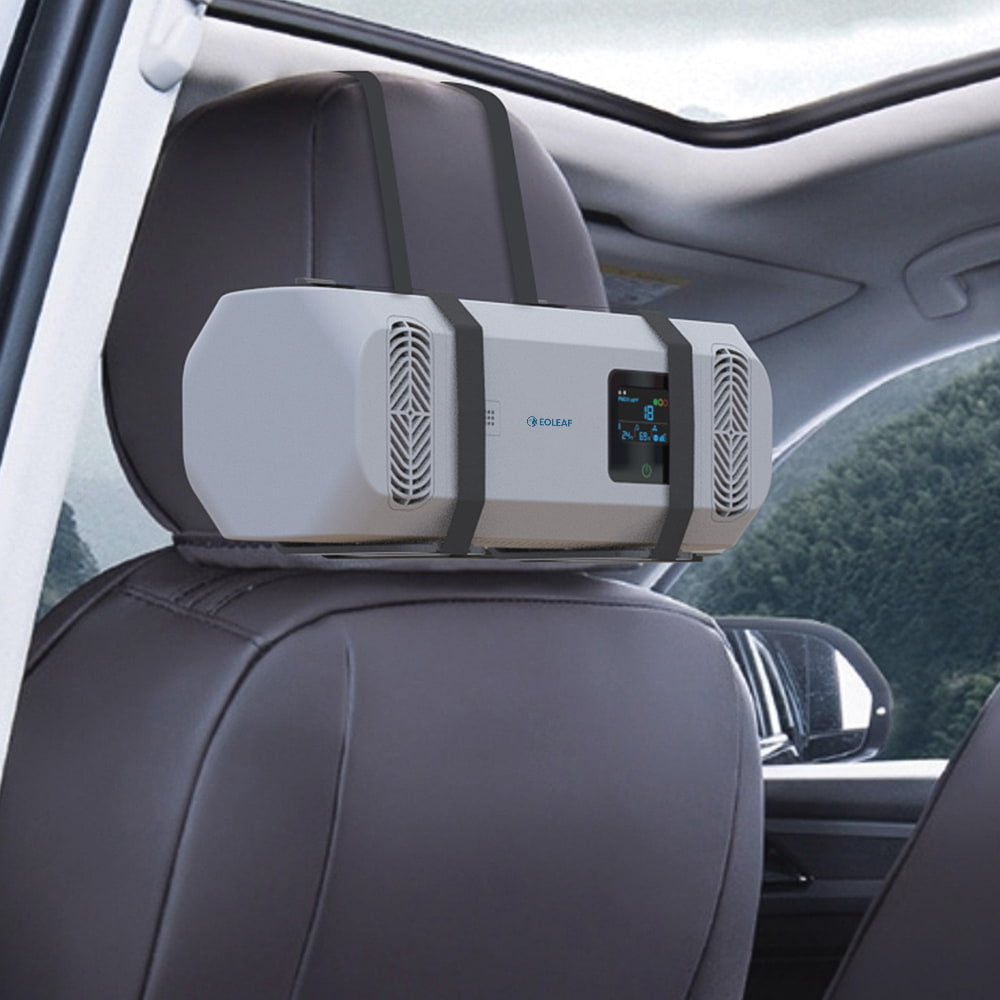
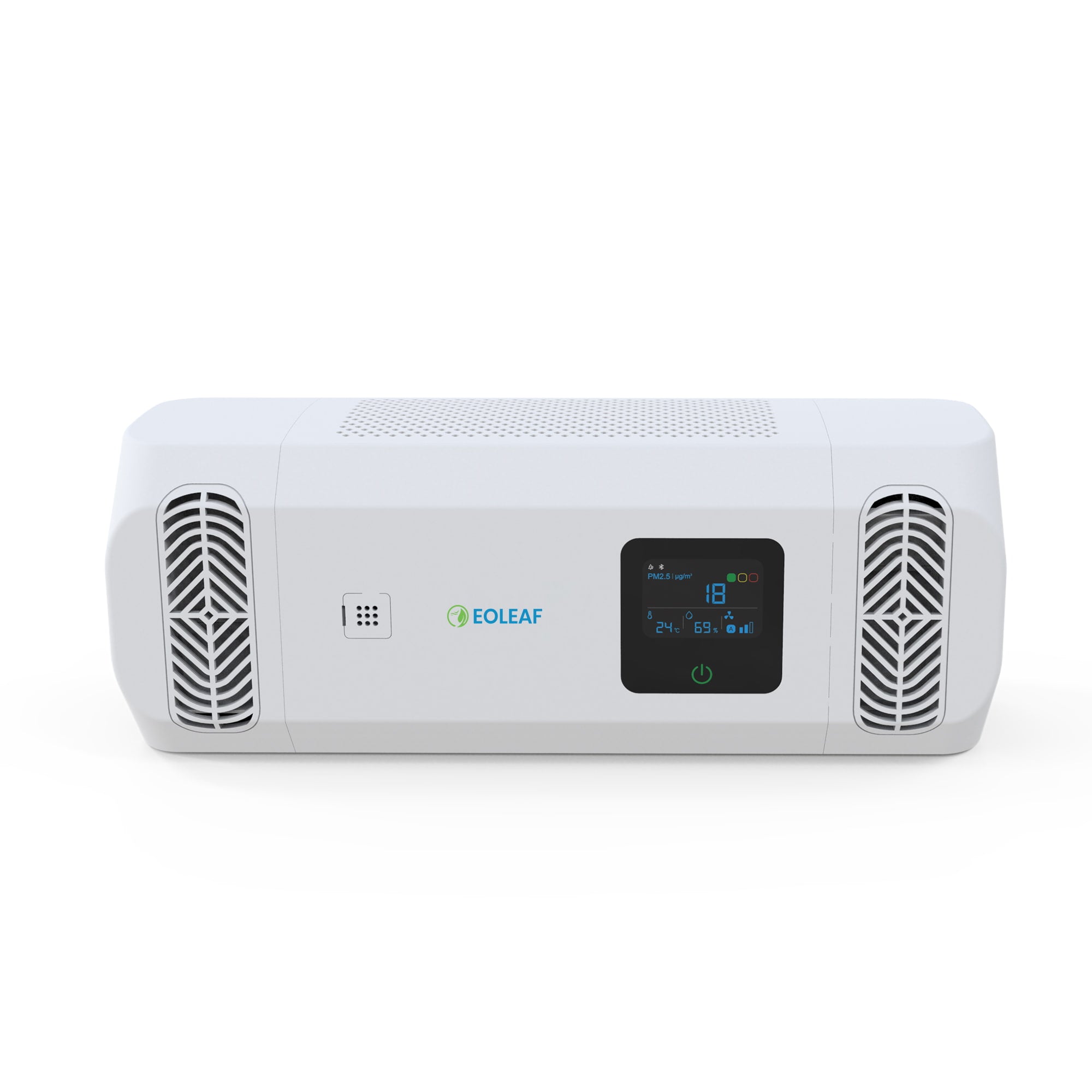
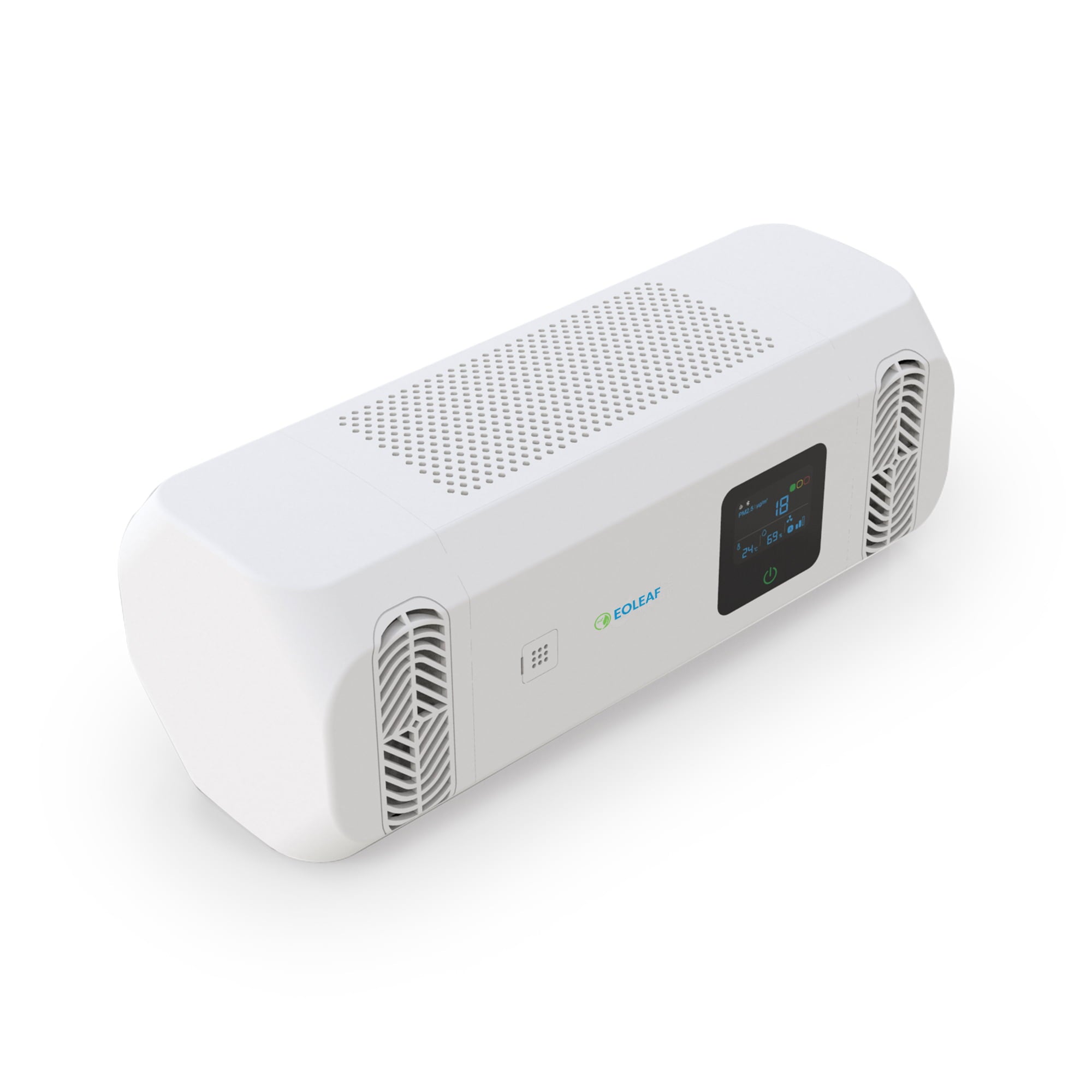
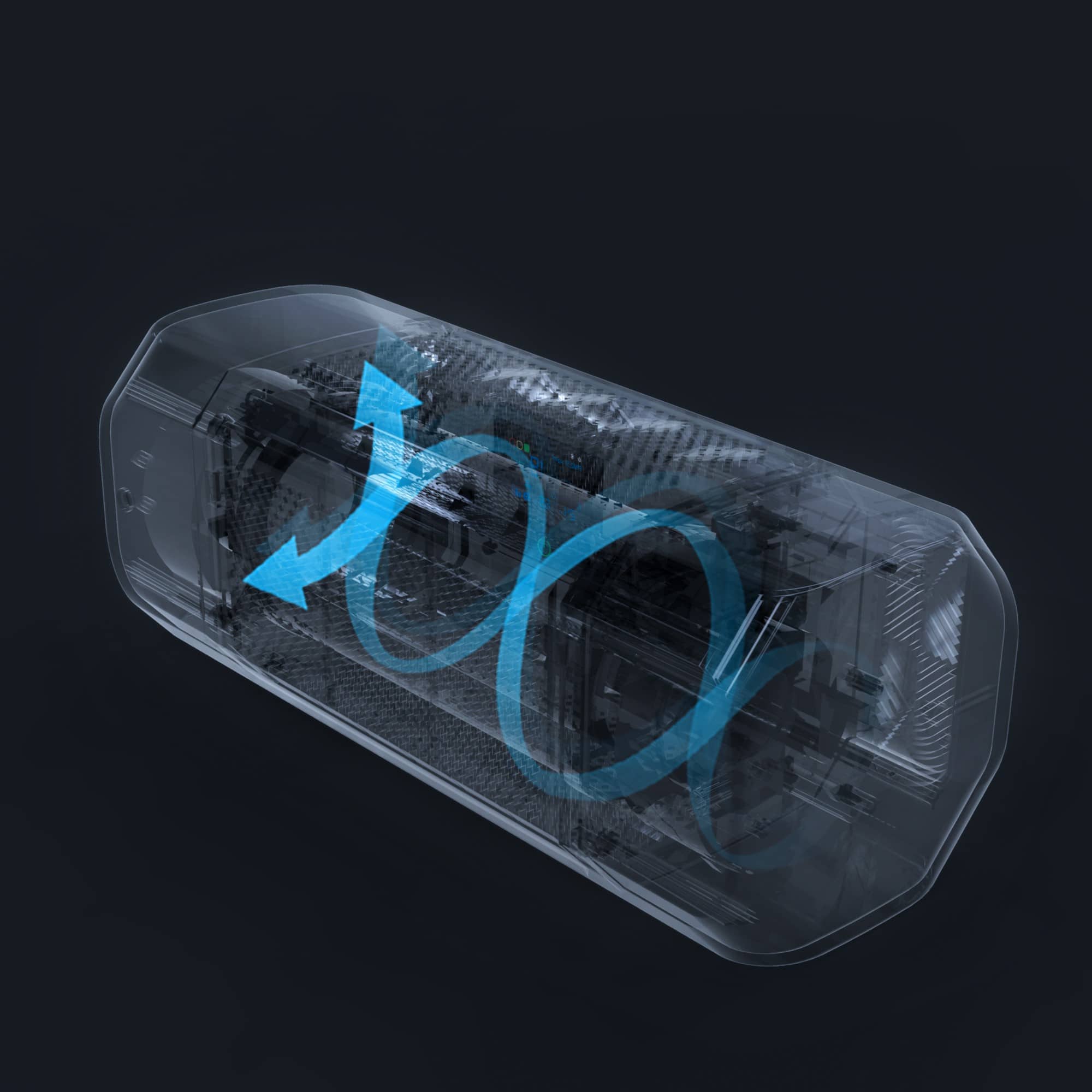
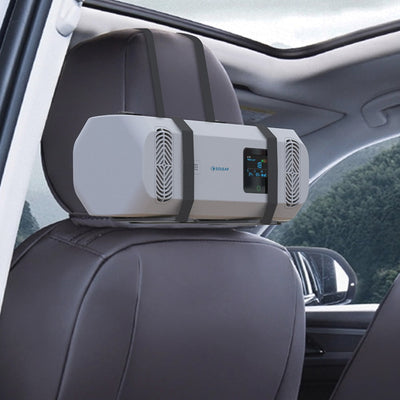
PurCar air purifier
HEPA H13 Filter & Ioniser - For all vehicles