Air quality in Lyon: current state, challenges, and solutions for healthier air
All cities and urban environments suffer from poor air quality. A high density of population leads to road traffic and industrial practices, each of which releases emissions and air pollutants and poses public health concerns. As one of France’s biggest cities, Lyon is no exception. Read on to learn more about the current state of air quality in Lyon, the challenges faced by the Lyon urban agglomeration, and ways you can keep yourself safe from the dangers of air pollution.

What is the current state of air pollution in Lyon?
Lyon experiences high concentrations of nitrogen dioxide (NO2), ozone (O3), and particulate matter (PM10 and PM2.5). These four pollutants are regularly monitored throughout the city. Concentrations of NO2, PM10 and PM2.5 have dropped in the last decade but have begun to stabilise since 2020. Ozone concentrations, on the other hand, have increased, namely due to more frequent and severe heat waves that favour its generation.

Source (1)
The sources of air pollution in Lyon are diverse and a brief list of main sources and their contributing pollutants can be found below:
- Agriculture: ammonia (NH3), nitrogen oxides (NOx), and fine particles (PM10 and PM2.5)
- Industrial practices: a range of air pollutants including VOCs, sulphur dioxide (SO2), NOx, PM10, and PM2.5
- Energy production: SO2, NOx, VOCs, PM10, and PM2.5
- Waste management: NH3, NOx
- Road traffic: NOx, PM10, PM2.5, VOCs, and NH3
- Domestic sources (namely heating): PM2.5, PM10, VOCs, NH3, NOx, and SO2
- Other forms of transport: NOx, PM2.5, and PM10
 Source (1)
What are the effects of air pollution on the health of Lyon residents?
Air pollution has dramatic and varied effects on human and environmental health. Respiratory and cardiovascular disease (including an increased risk of asthma, COPD, pulmonary fibrosis, and lung cancer), mental health disorders (anxiety, depression, and stress), respiratory irritation, impacts on the liver and spleen, reduced lung function, and impacts on the reproductive system have all been reported as a result of air pollution exposure in the short- and long-term (2).
Certain population groups are particularly vulnerable to the dangers of air pollution. Infants and children, pregnant women, the elderly, and individuals with pre-existing conditions (especially respiratory conditions like asthma) are recommended to stay indoors during periods of peak pollution and/or to wear a FFP2 mask if going outdoors is necessary.
According to 2019 data, it is estimated that, on average, exposure to air pollution shortens a person’s life by 1.8 years. This loss of life is almost entirely attributable to exposure to PM2.5 (3).
Regulations and local initiatives to improve air quality
The city of Lyon has taken steps to improve air quality both indoors and outdoors. City-wide objectives include reducing emissions generated by wood burning for heat. Initiatives are classified based on the pollution source.
Domestic sources
As of April 1, 2023, several regulations have been put in place for domestic heating using wood. It is illegal throughout the Lyon urban agglomeration to use open fireplaces in a home. Only stoves that are certified “flamme verte” are authorised to be installed. There is also government aid available to assist residents in purchasing a wood-burning stove that meets the above criteria.
Transportation
With the goal of reducing the amount of vehicles circulating in the Lyon urban agglomeration, the city of Lyon is developing a carpooling network with more than 6,000 rideshares performed per month. Over 250k of bike lanes are also being developed and maintained in order to encourage bike transportation. Furthermore, free bike rentals are being offered to students for a period of one to two years, and long-term electric bike rentals are available in certain municipalities throughout the city.
Since 2019, low-emission zones (“zone à faibles émissions (ZFEs”) have been required throughout France’s largest cities. Starting in 2028, all diesel vehicles will be forbidden from entering low-emission zones. Vehicles that are classified as Crit’Air 3, 4, or 5 are also no longer allowed in low-emission zones as of January 2025, and Crit’Air 2 vehicles will no longer be authorised starting in 2028.
Industrial sources
Multiple laws have been enacted to reduce emissions generated by the largest industrial polluters throughout the Lyon agglomeration. Stricter emission limit values have been set for NO2 pollution for new biomass or gas boilers being installed in the area. There is also an effort in place to reduce dust generated by quarries and recycling/waste management with aims of reducing dust (that generates PM10 and PM2.5) by 30% in all 25 quarries located throughout Lyon.
Agriculture
Farmers are being encouraged to adopt techniques, materials, and good practices to reduce emissions from agricultural practices. Burning green waste is illegal throughout the city of Lyon for both individuals and professionals. Compost bins have become available free of charge throughout many municipalities, and woodchippers are available for rental. In 2023, 49,696 tonnes of green waste were collected at PPA recycling centres - the equivalent of 5 Eiffel Towers! (1)

Key air pollutants in Lyon and how to limit them
Fine particulate matter (PM2.5 and PM10)
Fine particulate matter, also referred to as ‘fine particles’ or ‘particulate matter (PM)’, are generally emitted by road traffic. Tyre and brake wear and exhaust released from combustion vehicles are the biggest contributing factors to air pollution. Residential heating, especially through the use of wood burning and gas appliances, as well as industrial practices, are also major contributors to the presence of PM10 and PM2.5 in the air.
PM10 and PM2.5 gain access to the human body when inhaled through the respiratory system. Due to their small size, they are then able to penetrate deep into the lungs and access other organs and systems of the body (like the heart and brain), including the bloodstream. This leads to chronic disease like respiratory and cardiovascular disease, as well as many different types of cancer, especially lung cancer.
Some measures for reducing PM concentrations include:
- Decreased reliance on personal vehicles for transportation: opt for carbon neutral forms of transportation like walking or cycling or rely on public transport
- Energy efficiency: improve your home’s insulation and use clean energies to heat and cool your home
- Indoor air purification: use an air purifier with a HEPA-certified filter to remove PM from your indoor air
Nitrogen dioxide (NO2)
NO2 is generated in areas with high traffic density. Major motorways and city centres in Lyon are hotbeds for NO2 accumulation as seen in the map below.
Source (4)
NO2 causes adverse health effects in both the short- and long-term. It leads to inflammation of the airway and respiratory symptoms and conditions that may lead to other infections. Inflammation reduces your body’s immune response.
Some measures for reducing NO2 concentrations include:
- Shifting away from combustion vehicles: promoting electric and hydrogen vehicles is an important step in reducing NO2 emissions
- Investing in public transport and bike lanes: encouraging the use of public transport and carbon neutral methods of transport will make it easier for people to rely less on their personal vehicles
Ground-level ozone
Ozone (O3) is a secondary air pollutant meaning that it is not directly emitted by any pollution source. It is created through chemical reactions that occur when other air pollutants (like NO2 and VOCs) react with sunlight.
Hot, sunny days in summer and during heat waves are when ozone levels tend to be the highest. During these periods, vulnerable individuals are recommended to remain indoors in order to avoid exacerbation of respiratory and other health issues.
Some measures for reducing ozone concentrations include:
- Reducing other pollutant concentrations: cutting back sources of NOx and VOCs (like road traffic and industrial processes) is an essential part of reducing ozone generation
The benefits of buying an Eoleaf air purifier:
-
Discreet and elegant design
-
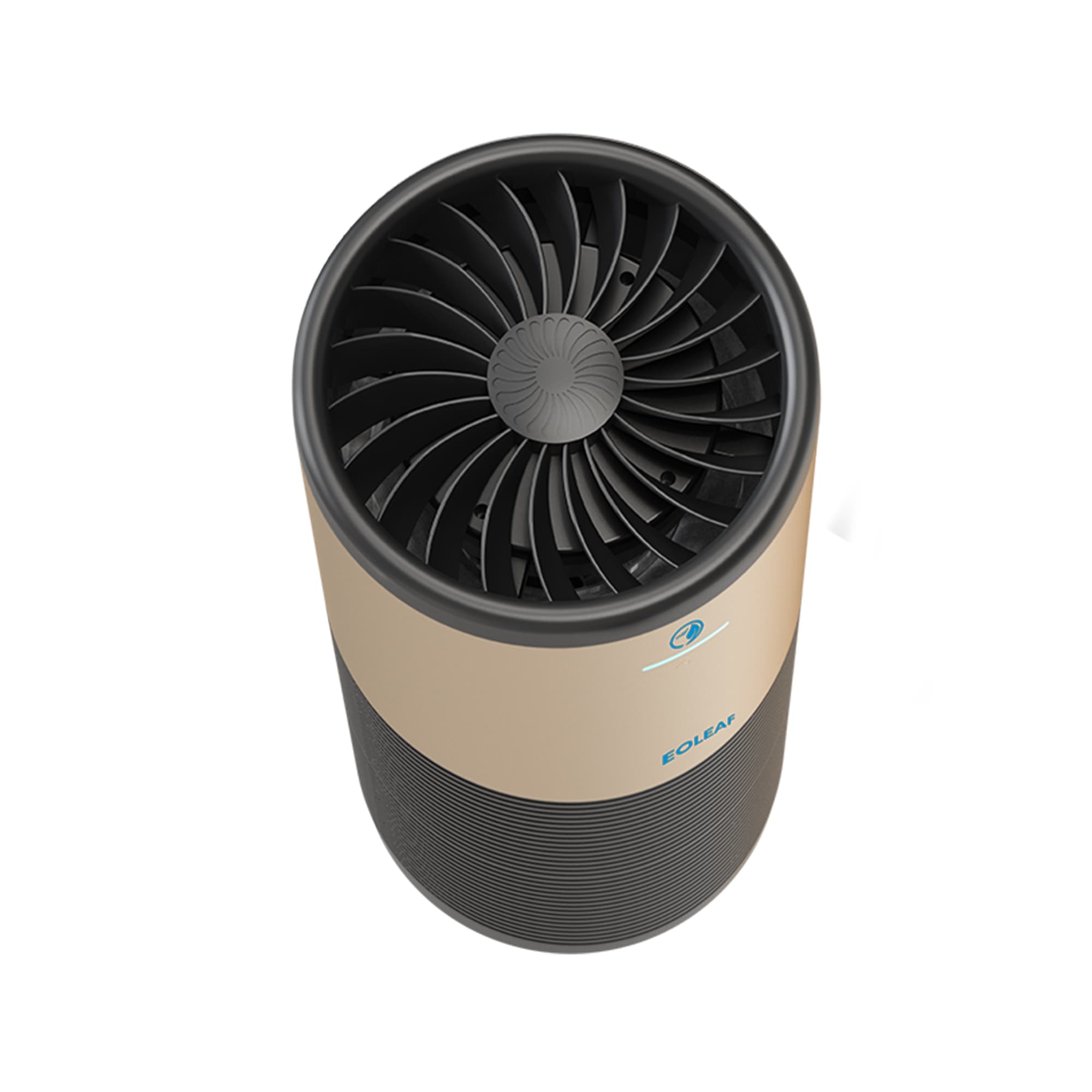
Quiet yet powerful (up to 670 m3/hr)
-
Can be placed anywhere in your space thanks to our 360° technology
-
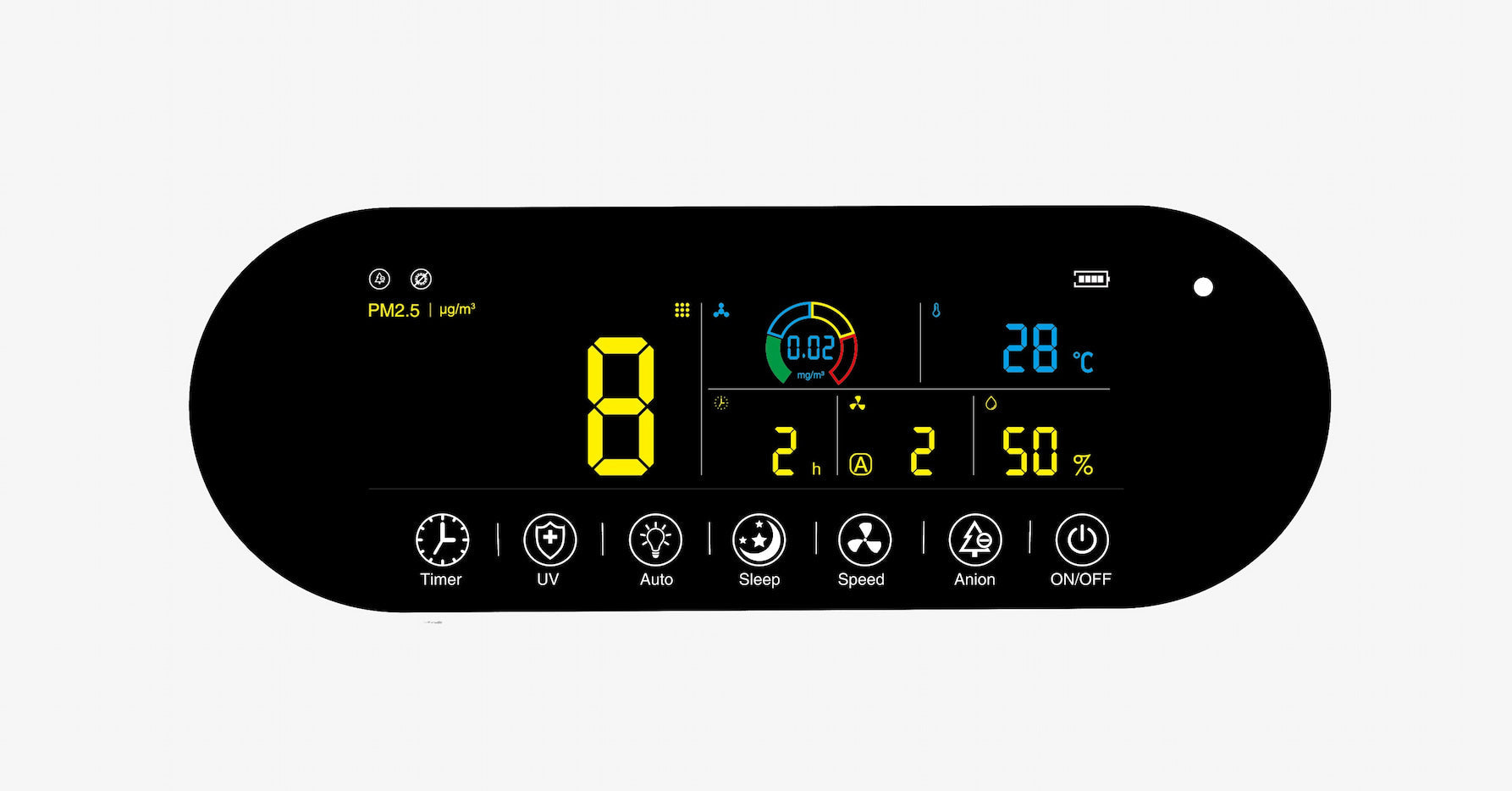
Real-time air quality data
-
Filters 99.97% of pollutants using unique and innovative filtration technologies
-
Modern (mobile app compatible) but easy to use (Automatic mode)
-
Smart and customisable devices (smart scheduling, automatic power off/on, etc.)
How to improve indoor air quality in Lyon
On average, we spend 90% of our time indoors. It is estimated that indoor air is 2 to 5 times more polluted than outdoor air but may reach up to 100 times more polluted when polluting products are used. It is essential that we keep indoor air clear of pollutants that are dangerous to our health.
Why is indoor air more polluted than outdoor air?
In Lyon, there are many older buildings that have poor ventilation, making it impossible for stale, polluted air to escape and renew. However, modern buildings also create indoor air quality (IAQ) problems: more airtight designs create a seal that traps pollutants. These both serve as aggravating factors when it comes to poor indoor air quality.
Indoor spaces trap outdoor pollutants that enter when we open doors or windows. All types of air pollutants that are found outdoors are equally found indoors. However, there are air pollutants that are also generated indoors that further pollute our indoor air and pose serious problems for our health.
VOCs
Volatile organic compounds, or VOCs, are released by a cornucopia of everyday products. Paints, furniture, cleaning and sanitising products, pressed wood products, building and DIY materials, fragrances, cosmetics, pesticides, and office equipment all emit air pollutants into your indoor air. New furniture, for example, can emit formaldehyde, a known VOC and carcinogen, continuously for up to two years!
Mould
Rooms and spaces that are not well ventilated and contain higher levels of humidity provide perfect growing environments for mould to proliferate. Exposure to mould spores leads to respiratory discomfort and problems.
Allergens
Indoor spaces attract all types of allergens ranging from pet hair and dander to pollen to dust and dust mites. Humans track these components indoors that may cause problems for those who have allergy symptoms. All types of allergens enter our indoor spaces in our hair, on our skin, and on our clothes. Pets are also a source of bringing allergens indoors.
Smoke
Smoke of all kinds serves as a major source of both fine particle pollution and VOCs. Cigarette smoke contains more than 7,000 chemicals (5)!
Every type of smoke is dangerous for human health. Cigarette smoke, cigar smoke, cannabis smoke, and even e-cigarettes (vaping) all contribute to significantly elevated levels of PM and VOCs in indoor spaces.
Best practices for breathing healthier air at home and work
In order to support healthy breathing air at home and at work, some best practices are:
- Open windows regularly, especially in the morning, to renew stale air
- Check ventilation systems regularly and perform maintenance when required
- Opt for low- or no-VOC products, materials, and furniture; seek out products that are certified “A+” or Écolabel
- Purchase houseplants: although plants’ abilities to combat indoor air pollution is overestimated, some plants help improve indoor air quality
- Invest in a high-performance air purifier equipped with air purification technologies that will combat all types of indoor air pollution

The benefits of air purifiers for a healthy indoor environment in Lyon
The best way to ensure clean indoor air is to purchase a high-performance air purifier that is adapted to removing all types of indoor air pollution. Air purifiers work by drawing in polluted ambient air, passing it through filters or treating it with depollution methods to remove pollutants, and then releasing the purified air back into the room.
Not all air purifiers are created equal, however. Technologies vary, as do the quality of those technologies. When purchasing an air purifier for your home or office in Lyon, it is recommended to seek out the following technologies:
- HEPA-certified filtration: ideal for the removal of fine particle pollution (PM10 and PM2.5) that are generated by road traffic, industrial practices, allergens, dust mites, and more
- Ensure that the HEPA filter is certified which means that its efficiency is tested and guaranteed by a third party
- Activated carbon filtration: targets chemical gases (like VOCs, carbon monoxide, and ozone) and odours
- The heavier, the better: the more activated carbon a filter contains, the greater its capacity to absorb and remove harmful gases
- Photocatalysis: removes complex chemical gases
- Ionisation: particularly efficient in combatting fine particles emitted by smoke
- UVC sterilisation: an essential technology that not only removes germs (viruses and bacteria) found in your indoor air but also sterilises your filter, protecting you from potential recontamination during filter changes
Eoleaf: solutions tailored to indoor air pollution in Lyon
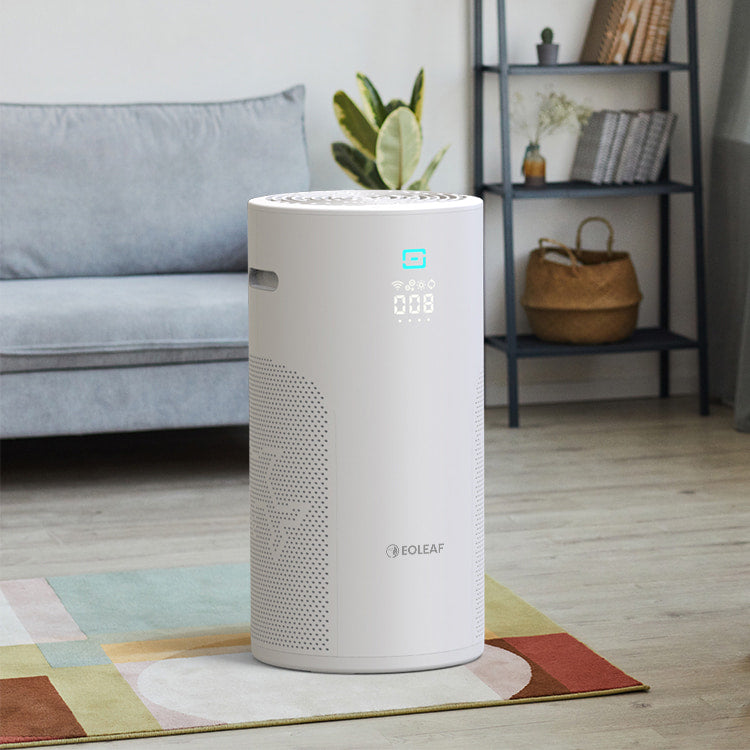
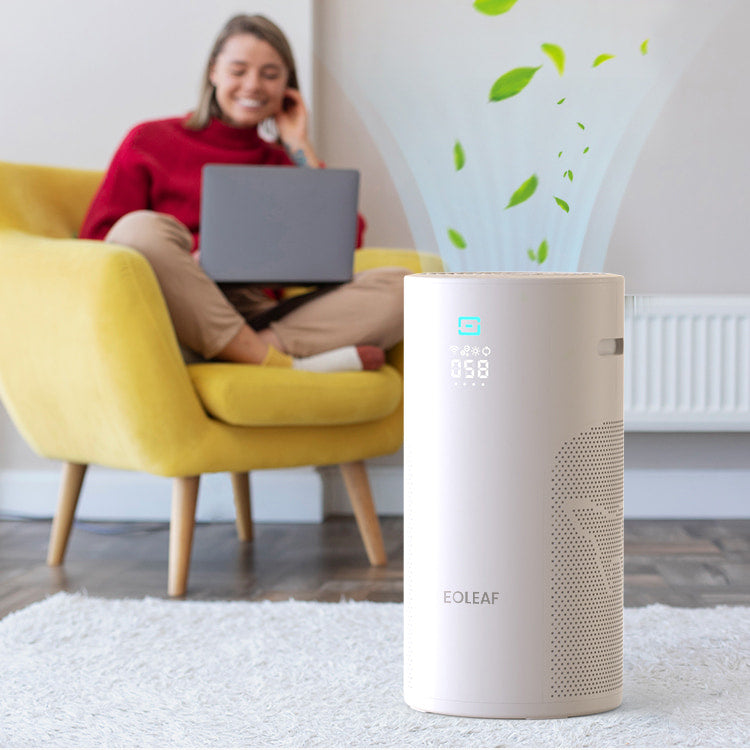
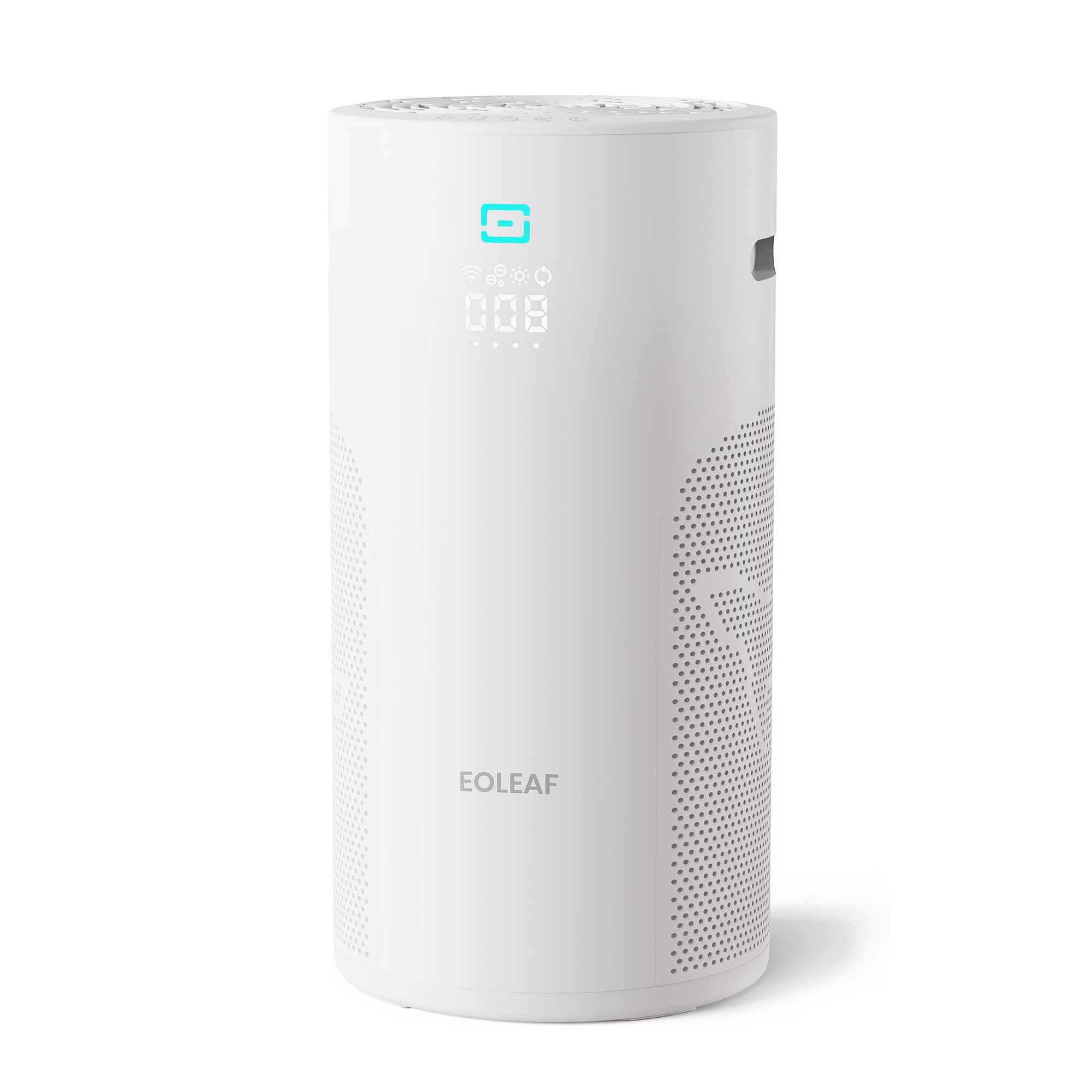
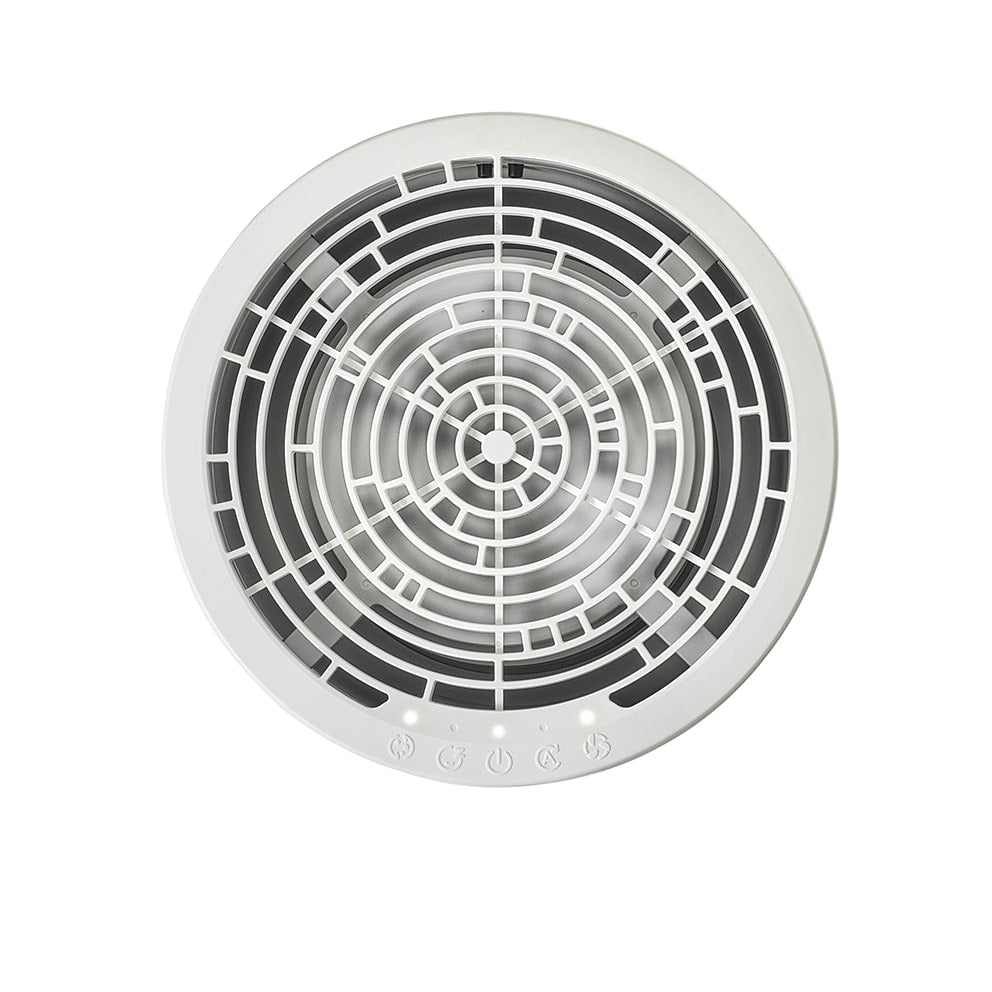
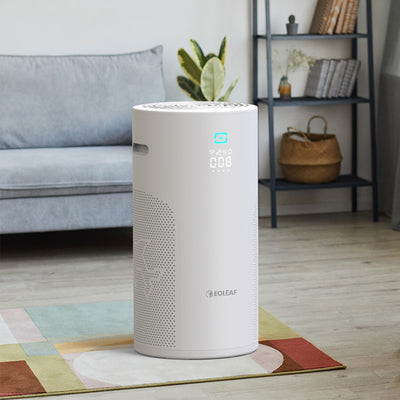
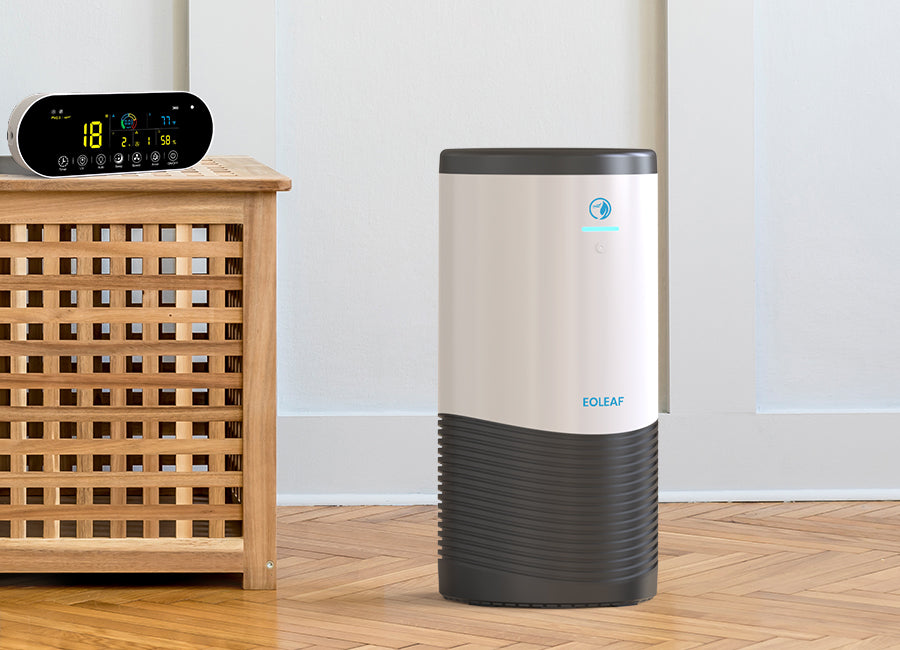
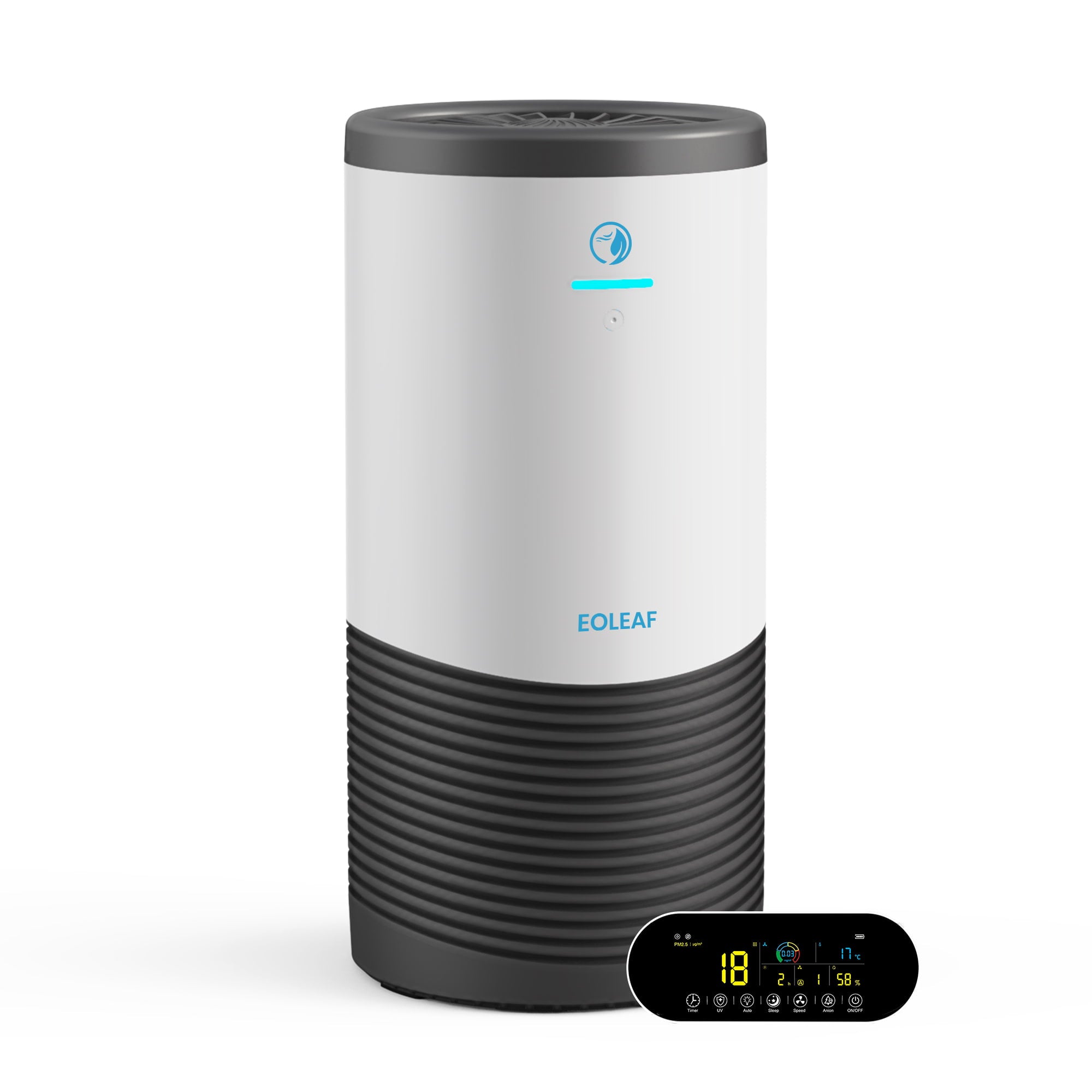
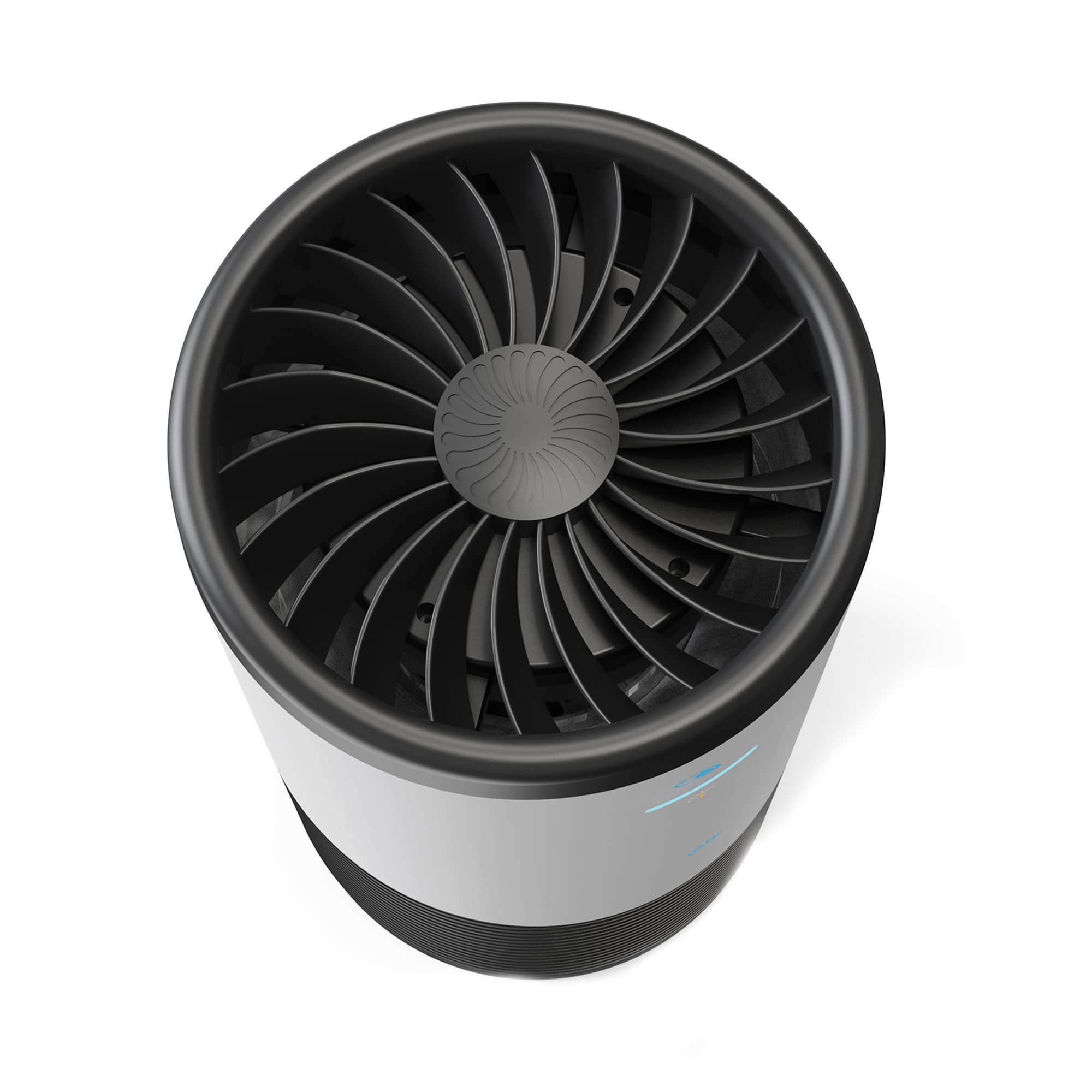
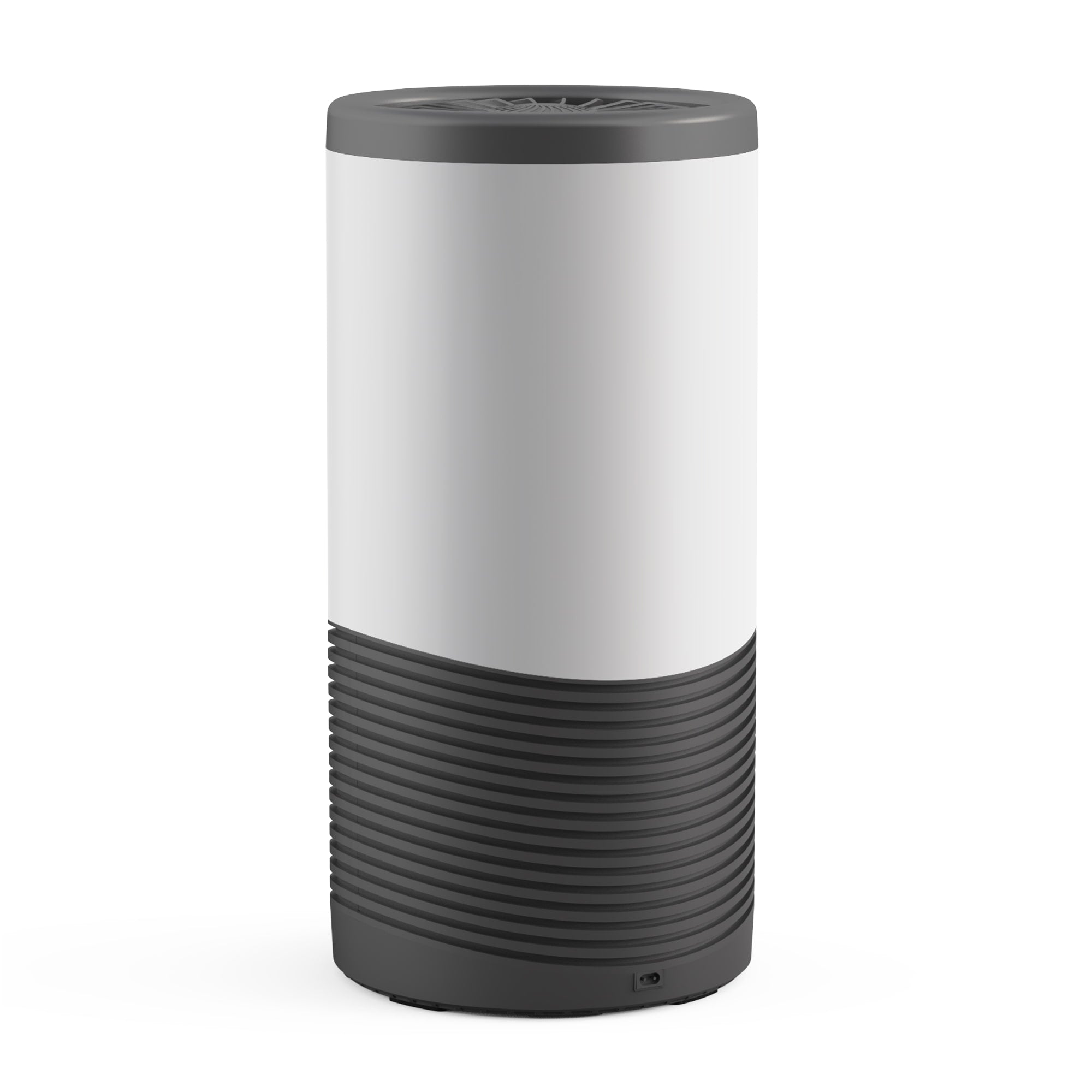
NeoPur 400 air purifier
40 m² (450 sq ft) coverage area - Smart & Connected
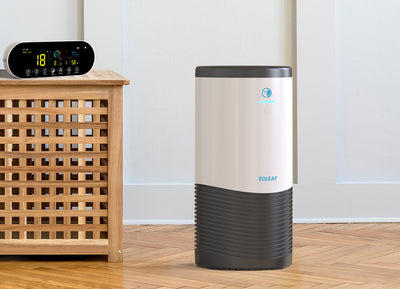
TeraPur 600 air purifier
80 m² (850 sq ft) coverage area - Ultimate all-in-one
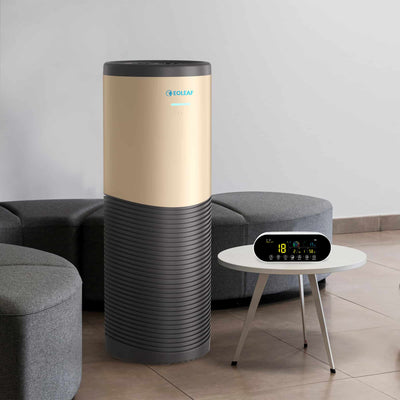
AltaPur 700 air purifier
120 m² (1300 sq ft) coverage area - Professional model
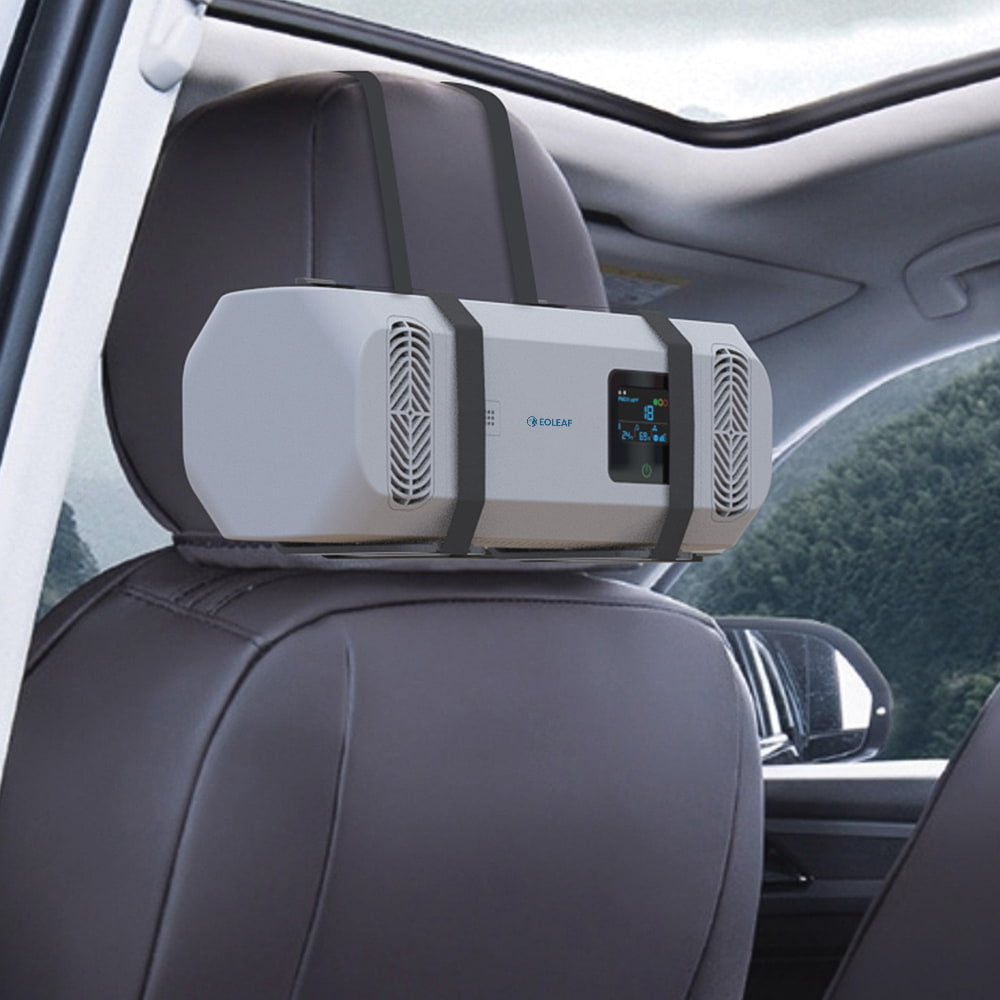
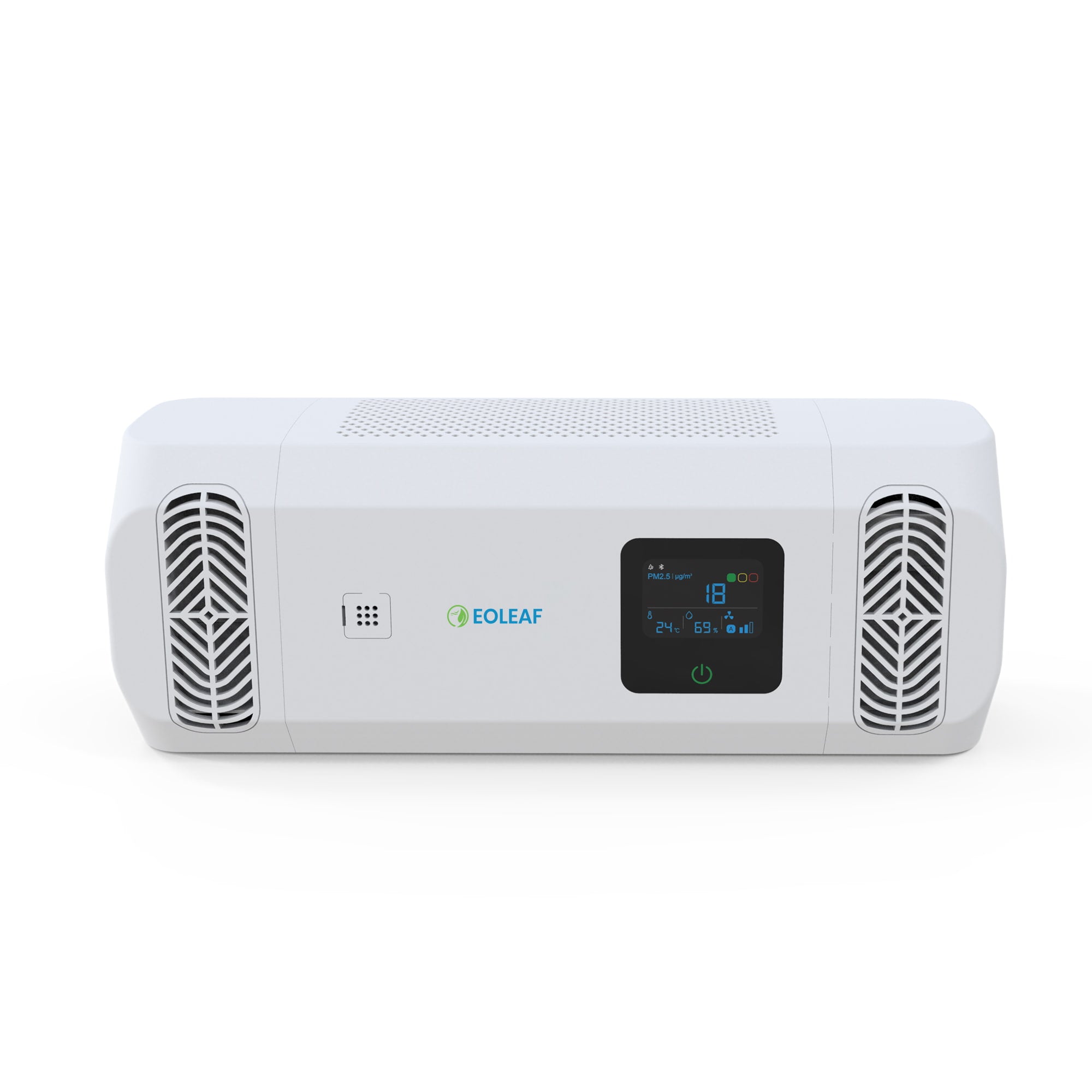
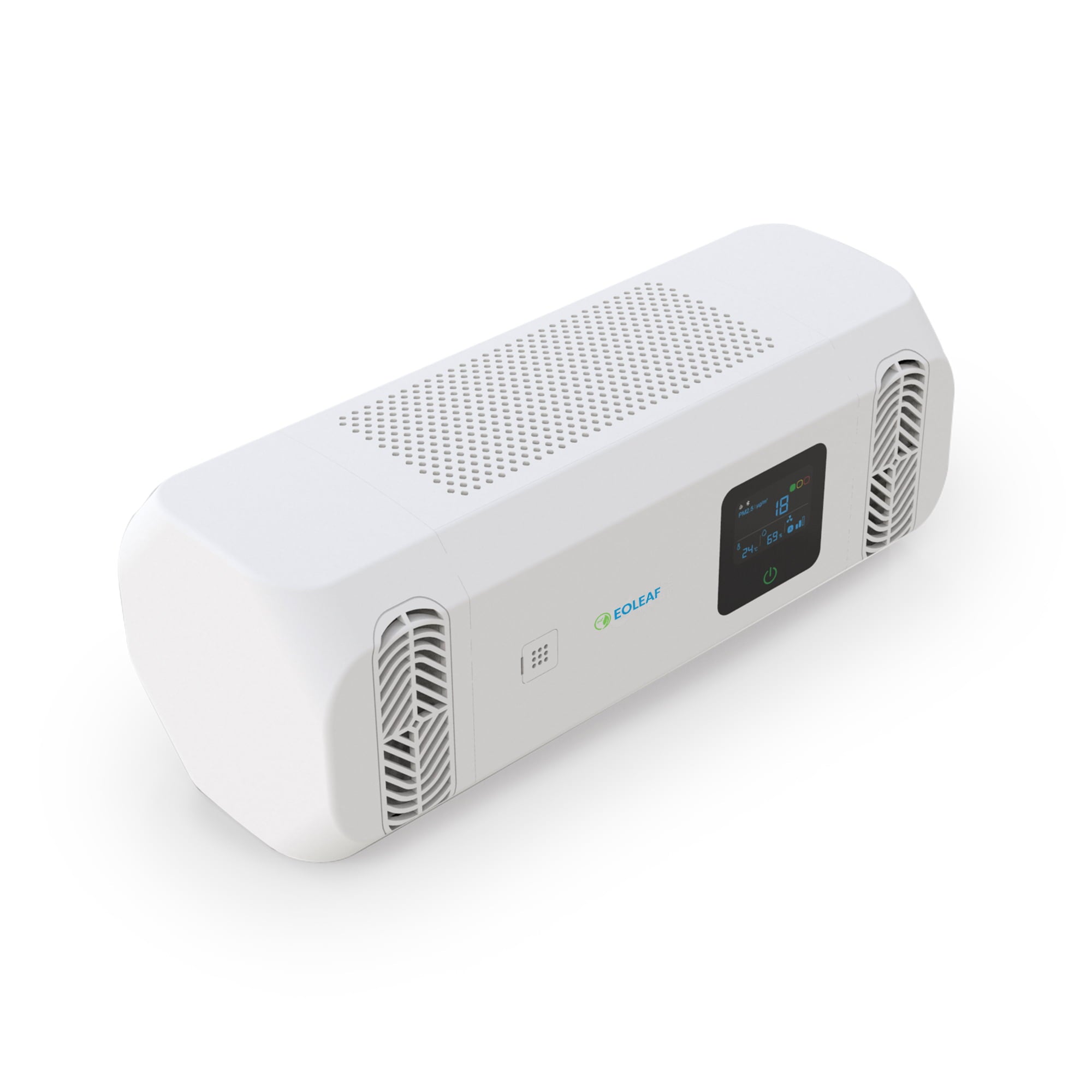
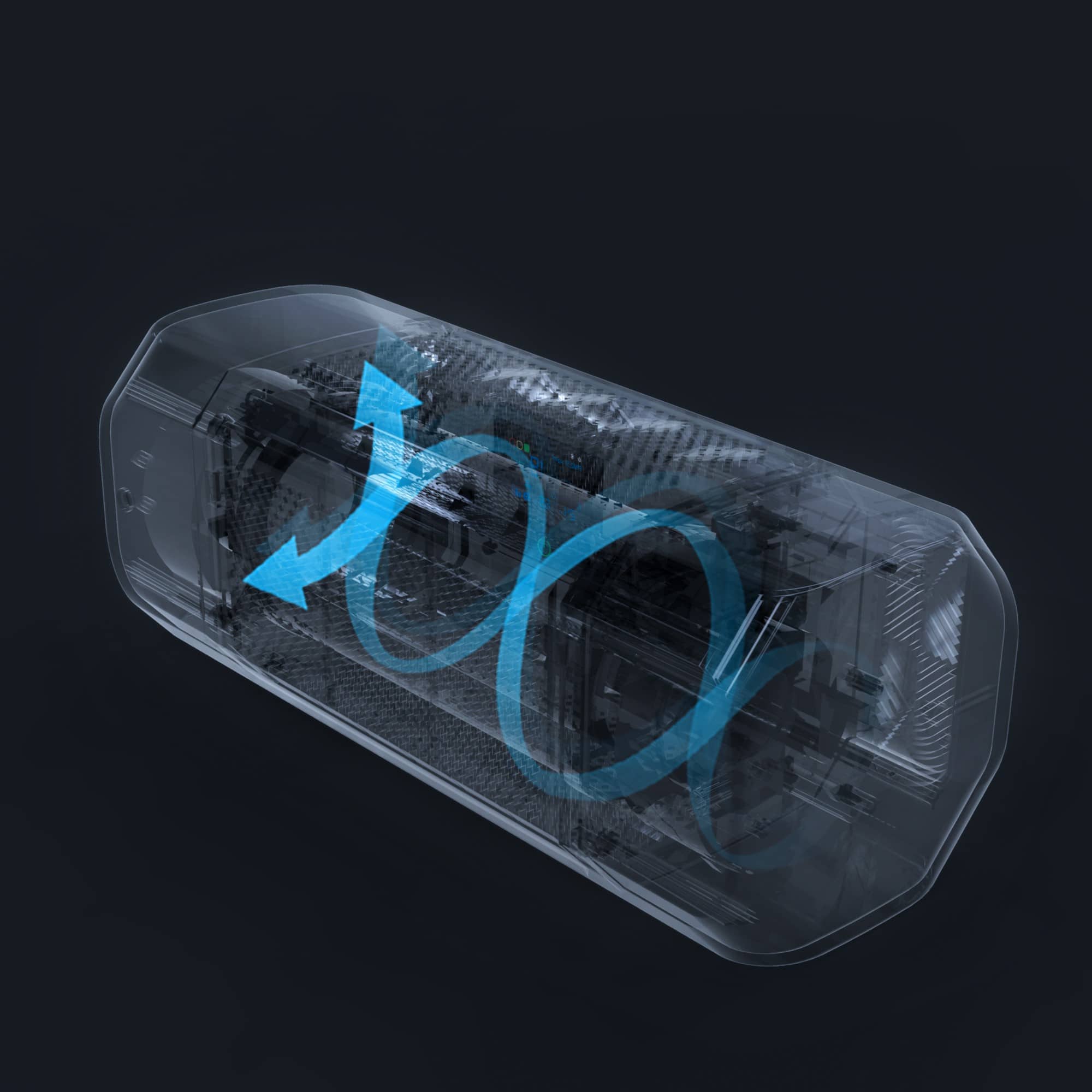
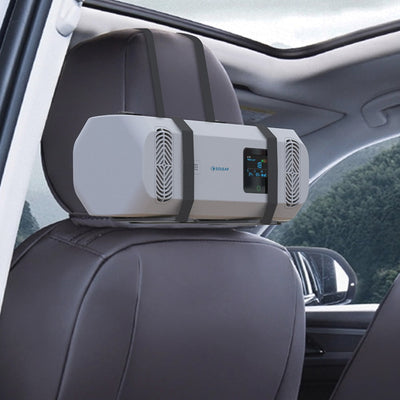
PurCar air purifier
HEPA H13 Filter & Ioniser - For all vehicles
When looking for an indoor air pollution solution in cities like Lyon, Eoleaf air purifiers are designed to be an all-in-one device for protecting your health from varied and complex urban air pollution.
Why choose an Eoleaf air purifier in Lyon?
For protection against all types of urban air pollution including fine particulate matter (PM10 and PM2.5), allergens (pollen, pet hair and dander, dust and dust mites, and mould spores), chemical pollution (VOCs, ozone, carbon monoxide, and other toxic gases), and germs (viruses and bacteria), an Eoleaf device is the go-to, all-inclusive solution. Eoleaf air purifiers provide the most comprehensive air purification on the market, allowing you to mitigate the negative health effects of breathing in polluted air.
Our devices contain all of the above-mentioned technologies and more thanks to our 8-step air purification technology:
- A pre-filter
- A bamboo layer with an antibacterial coating
- A medical-grade, HEPA H13-certified filter layer that removes 99.97% of all pollutants down to a size of 0.01 microns in a single pass
- A heavy activated carbon filter
- Photocatalysis technologies
- Ionisation technologies
- UVC sterilisation technologies
In addition to warding off respiratory, cardiovascular, and mental health conditions, breathing clean indoor air leads to enhanced well-being, reduced allergy symptoms, improved sleep quality and duration, reduced fatigue, and better cognitive function and productivity.
Eoleaf air purifiers: a response to urban pollution challenges
Eoleaf’s air purifiers are all designed to meet the needs of urban-dwellers, built with 8 different air purification technologies that are each crafted to target and remove different types of air pollution. Powerful yet quiet, Eoleaf devices offer impressive CADRs that allow for the filtration of indoor air pollutants quickly and efficiently. We offer models suitable for rooms and spaces of all sizes:
- NeoPur 400: our compact model with a CADR of 420 m3/h built for smaller spaces of up to 40 m2 (450 sq. ft.)
- TeraPur 600: our most versatile model with a CADR of 570 m3/h adapted to most rooms and spaces
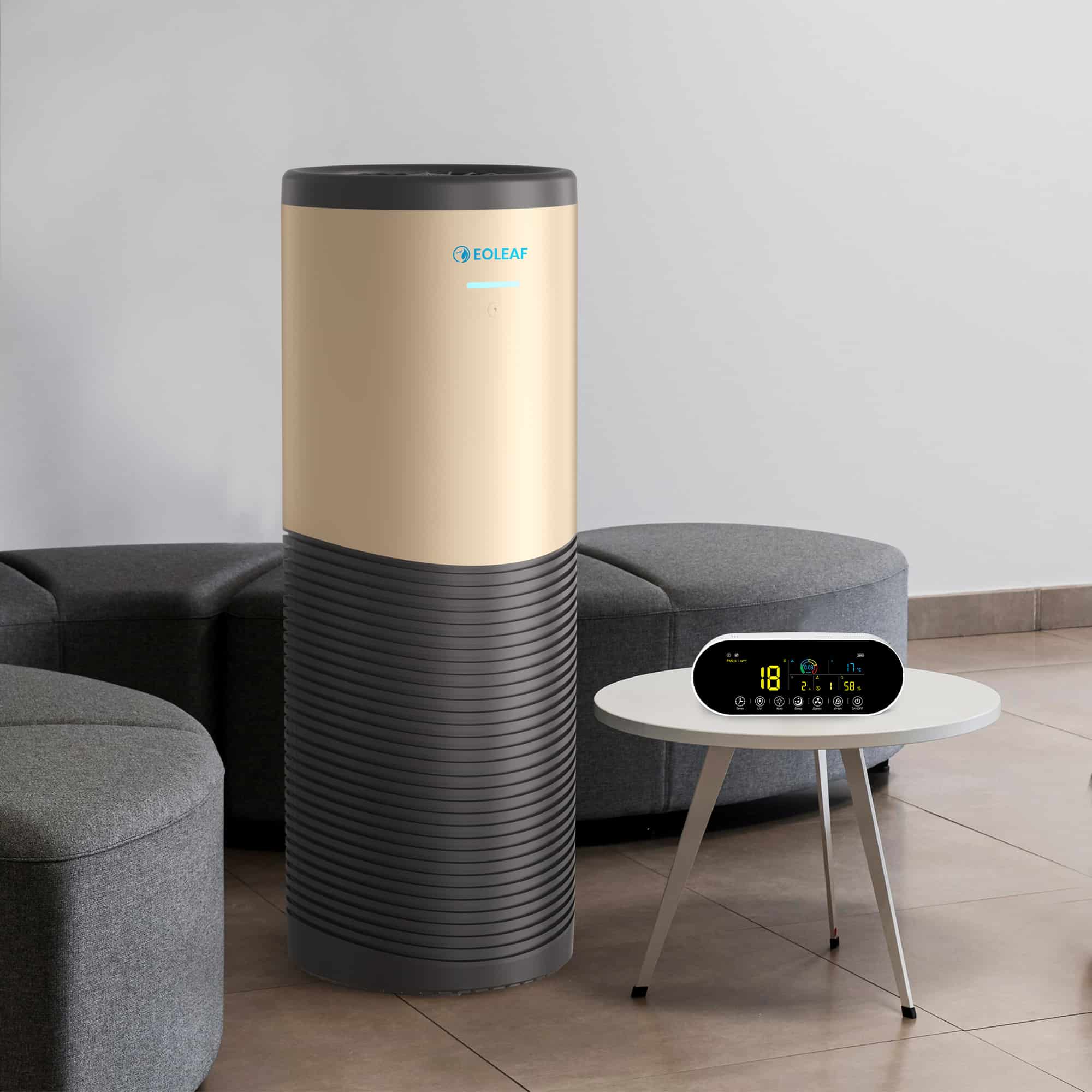
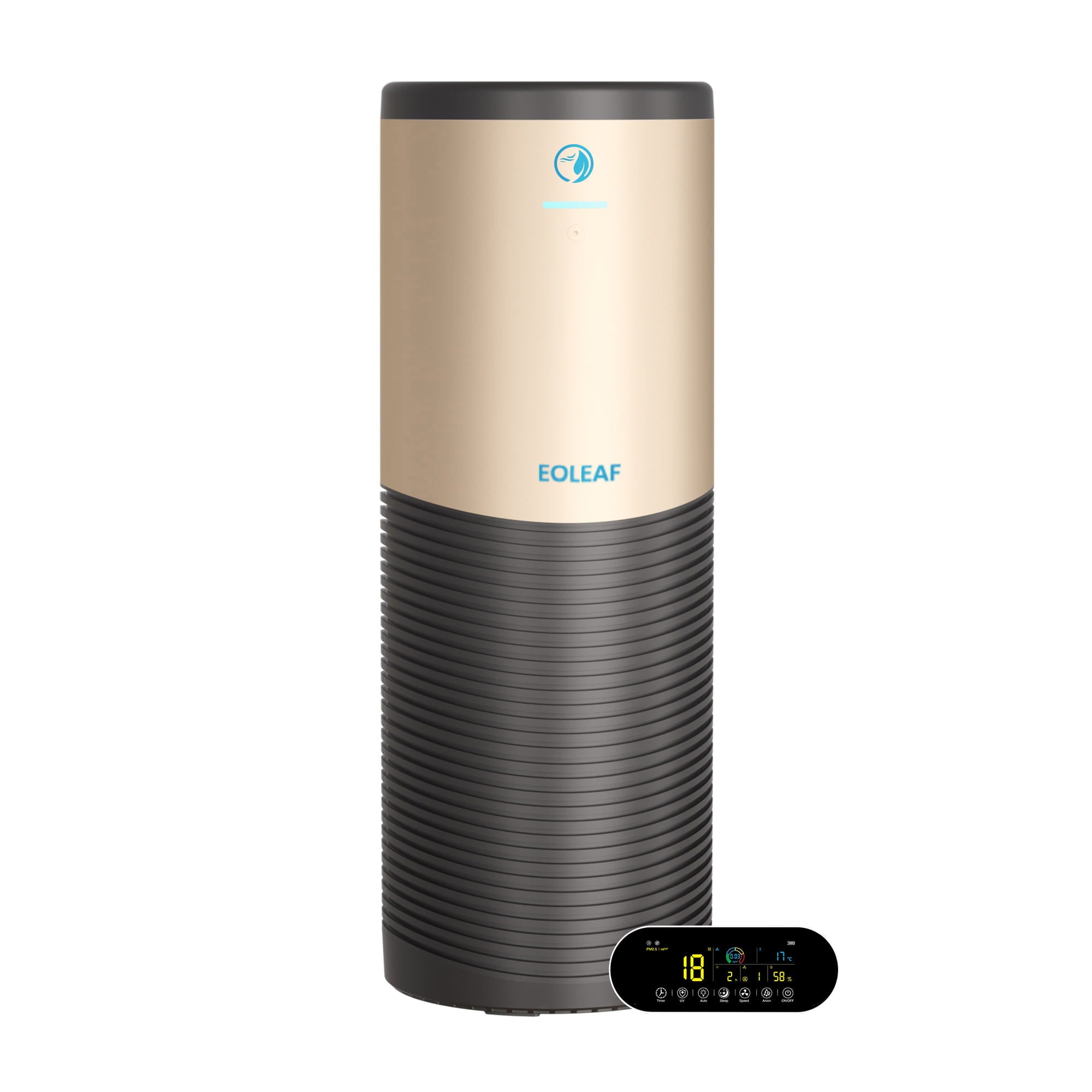
- AltaPur 700: our largest, most powerful model with a CADR of 670 m3/h ideal for large homes, offices, and medical practices, to name a few
Where to buy an air purifier in Lyon?
Purchasing an Eoleaf device online is easy, meaning that there is no need to head out to the store to pick one up. Purchasing can be done online through our website which provides detailed product specifications, efficient and multilingual (human!) customer support, and secure payment options. We provide reliable delivery directly to your doorstep anywhere in Lyon.

Frequently asked questions
How can I measure air quality in Lyon in real time?
There are multiple sources throughout France that measure air quality in real time. For Lyon-specific air quality data, local environmental agencies like Atmo Auvergne-Rhône-Alpes provide data from various stations across the Lyon urban agglomeration.
What actions are being implemented by the city of Lyon to improve air quality?
The city of Lyon is taking steps to improve air quality by expanding cycling infrastructure, promoting public transport, implementing low-emission zones (ZFEs), and supporting residents in purchasing more environmentally-friendly energies for heating.
What individual actions can I take to limit exposure to air pollution in Lyon?
Whether you live in Lyon or in another city, try to choose environmentally-friendly, carbon-neutral modes of transportation like walking or biking. If neither of these options are available for your journey, opt for public transport (buses, trams, or metros). Limit the use of your personal vehicle wherever possible. You can also ventilate your home properly and regularly, avoid burning wood, invest in an air purifier, and keep up-to-date on air quality.
Resources
1 Dreal Auvergne-Rhône-Alpes: Direction régionale de l’environnement, de l’aménagement et du logement. Dreal Auvergne-Rhône-Alpes. (2025, June 3). https://www.auvergne-rhone-alpes.developpement-durable.gouv.fr/
2 Ηow Air Pollution Affects Our Health. European Environment Agency’s home page. (n.d.). https://www.eea.europa.eu/en/topics/in-depth/air-pollution/eow-it-affects-our-health
3 Health impacts of Air Pollution. Health Impacts of Air Pollution | State of Global Air. (n.d.). https://www.stateofglobalair.org/hap
4 Orhane : Dis-moi où tu habites, je te dirai si tu subis bruit et pollution de l’air. Rue89 Lyon. (2017, March 20). https://www.rue89lyon.fr/2016/09/22/orhane-bruit-et-pollution-air/
5 FDA. (n.d.). Chemicals in cigarettes: From plant to product to puff. U.S. Food and Drug Administration. https://www.fda.gov/tobacco-products/products-ingredients-components/chemicals-cigarettes-plant-product-puff
Eoleaf's range of air purifiers
NeoPur 400 air purifier
40 m² (450 sq ft) coverage area - Smart & Connected
TeraPur 600 air purifier
80 m² (850 sq ft) coverage area - Ultimate all-in-one
AltaPur 700 air purifier
120 m² (1300 sq ft) coverage area - Professional model
PurCar air purifier
HEPA H13 Filter & Ioniser - For all vehicles