Do I need an air purifier? How to know if it’s right for you
When you think of air pollution, the image that likely comes to mind is a thick, gray smog that billows out of industrial smokestacks and shrouds an urban skyline. However, commonly referred to as an ‘invisible killer’, most types of air pollution are visually undetectable. It is usually colourless and odourless unless present in very high concentrations. Air pollution is omnipresent, and there is no safe level of air pollution for human, animal, and environmental health. Furthermore, although air pollution is often associated with health risks outdoors, indoor air pollution is a much greater danger because we spend more time indoors. You may be asking yourself: how do I protect myself from indoor air pollution? Do I need an air purifier? Read on to learn more about the right air purifier for your needs.

Understanding air quality: the invisible danger to your health
What is indoor air pollution?
Despite your indoor air smelling and looking clean, indoor air pollution remains a problem in most households. According to the World Health Organization (WHO), indoor air pollution, also known as household air pollution, was directly responsible for 3.2 million deaths in 2020 alone, 237,000 of which were children under the age of 5. Additionally, the combined impact of outdoor and indoor air pollution have contributed to 6.7 million premature deaths annually1. Indoor air is typically 2 to 5 times more polluted than outdoor air, but it can reach up to 100 times more polluted depending upon the source and concentration.
Humans spend upwards of 90% of their time indoors. The more time spent indoors means the greater the exposure to harmful indoor air pollutants. But where does indoor air pollution come from?
Some types of indoor air pollution are generated outdoors and become trapped indoors as an unintended consequence of ventilation (when windows and doors are open or when you use mechanical ventilation), whereas others are generated by products used indoors. The main sources of indoor air pollution are as follows:
- Fuel-burning appliances (wood- and gas-burning stoves) whether used for heat or for cooking
- Smoke (cigarette, cigar, cannabis, e-cigarettes, and wildfire)
- Diverse materials, products, and furnishings used for building and DIY
- Insulation (especially that containing asbestos or glass fiber), new flooring, new furniture, new carpeting, pressed wood products, glues, paints, adhesives, etc.
- Household cleaning and maintenance products, air fresheners, fragrances, personal care, and candles
- Heating and cooling systems
- Humidity (leads to mould)
- Pesticides, radon, and outdoor-generated pollution (such as fine particles and airborne allergences)
The above pollution sources lead to the emission of fine particle pollution (also known as particulate matter or PM), volatile organic compounds (VOCs including carcinogens like formaldehyde and benzene), smoke (first-, second-, and third-hand), airborne mould spores, and allergens like pet hair and dander, pollen, and dust and dust mites.

Health effects caused by poor indoor air quality
Poor indoor air quality (IAQ) leads to a plethora of adverse health effects in both the short and long term.
In the short-term, common effects of air pollution exposure include:
- Coughing
- Shortness of breath
- Asthma and respiratory disease symptoms
- Wheezing
- Increased rates of hospitalisation
- Fatigue
In the long-term (this is not an exhaustive list as studies are still preliminary):
- Development of chronic asthma and other respiratory diseases like COPD
- Cardiovascular disease and mortality
- Pulmonary insufficiency
- Diabetes mellitus
- Early human life effects including respiratory, mental, cardiovascular, and perinatal disorders that lead to an increased rate of infant mortality
- Decreased performance and lower test scores
- Stunted growth in infants and children
- Reduced fertility rates
- Impacted sleep duration and quality2
How air quality varies by region and living environment
Rural environments
While there are generally fewer fine particles in the countryside, they are far from being pollution-free places; in fact, it is quite the opposite. Due to a higher density of plant life in rural areas, they typically experience a higher concentration of allergen exposure than urban environments do. Dust and pollen are notably higher in concentration in rural environments. Mechanised vehicles used for agriculture, which mostly run on diesel, also emit fine particle pollution, VOCs, and nitrogen dioxide. Studies have shown that exposure to these pollutants impacts antioxidant pathways in the human body, making it more difficult to fight off allergy symptoms3.
Agricultural pesticides also pose a problem for residents living in environments where treatment of these pesticides is performed. A 2023 study found that 30 to 50% of pesticide chemicals are dispersed into the air. There is no safe exposure level when it comes to pesticides, and pesticides impact human health in both the short- and long-term, often leading to chronic respiratory symptoms like wheezing, asthma, and allergic rhinitis4,5.

Urban environments
Cities only take up 2% of land on Earth, but they also produce 60% of the Earth’s greenhouse gases and use 75% of the Earth’s energy. As the world becomes more and more urbanised as a result of an ever-growing population, urban air pollution is a massive health concern: urban air pollution has been linked to over 4.2 million deaths of people worldwide6.
Transportation is the most significant source of air pollution in cities. It is estimated that over 75% of VOC concentrations and 25% of airborne particles found in urban air are emitted by road traffic. The use of polluting fuels for domestic energy use (namely cooking and heating) such as wood, coal, and charcoal contributes to emissions that cause respiratory and cardiovascular diseases. Industrial practices and energy production both contribute significantly to poor air quality in urban environments7.
The above-mentioned pollutants found in both rural and urban environments do not include those generated due to products and materials used indoors (in homes, offices, public buildings, etc.). VOCs are emitted in homes and workplaces in both environments by furniture, cleaning products, personal care, air fresheners, pesticides, fragrances, and more.

Weather and seasonal variations
Weather and seasonal changes do have an effect on air pollution, but the impacts vary depending upon the type of pollutant.
Wind has a significant impact on air pollution’s ability to travel. A study in the 1980s showed that sulphur dioxide emitted as a result of coal burning travelled long distances, causing acid rain to fall in lakes thousands of kilometers away. In Asia, a similar phenomenon has been observed: industrial pollution released in China has travelled across the Gobi Desert, causing yellow dust storms across the Korean Peninsula, affecting human and environmental health.
Cold weather leads to an increase in air pollution emissions (particulate matter and carbon monoxide) as residents require more energy for heating. Warm vapour exhaust also becomes more visible during cold weather conditions.
Hot weather enables the more efficient creation of ozone, a secondary air pollutant. When the weather is sunny and hot, ozone often reaches dangerous levels in urban environments. Extreme heat and air that is unable to circulate during a heat wave increase ozone and particulate pollution8.
The benefits of Eoleaf air purifiers:
-
Quiet yet powerful devices (up to 670 m3/hr)
-
Discreet and elegant design
-
Easy to use (equipped with Automatic mode) and does not require installation or assembly
-
Can be placed anywhere in your space thanks to our 360° technology
-
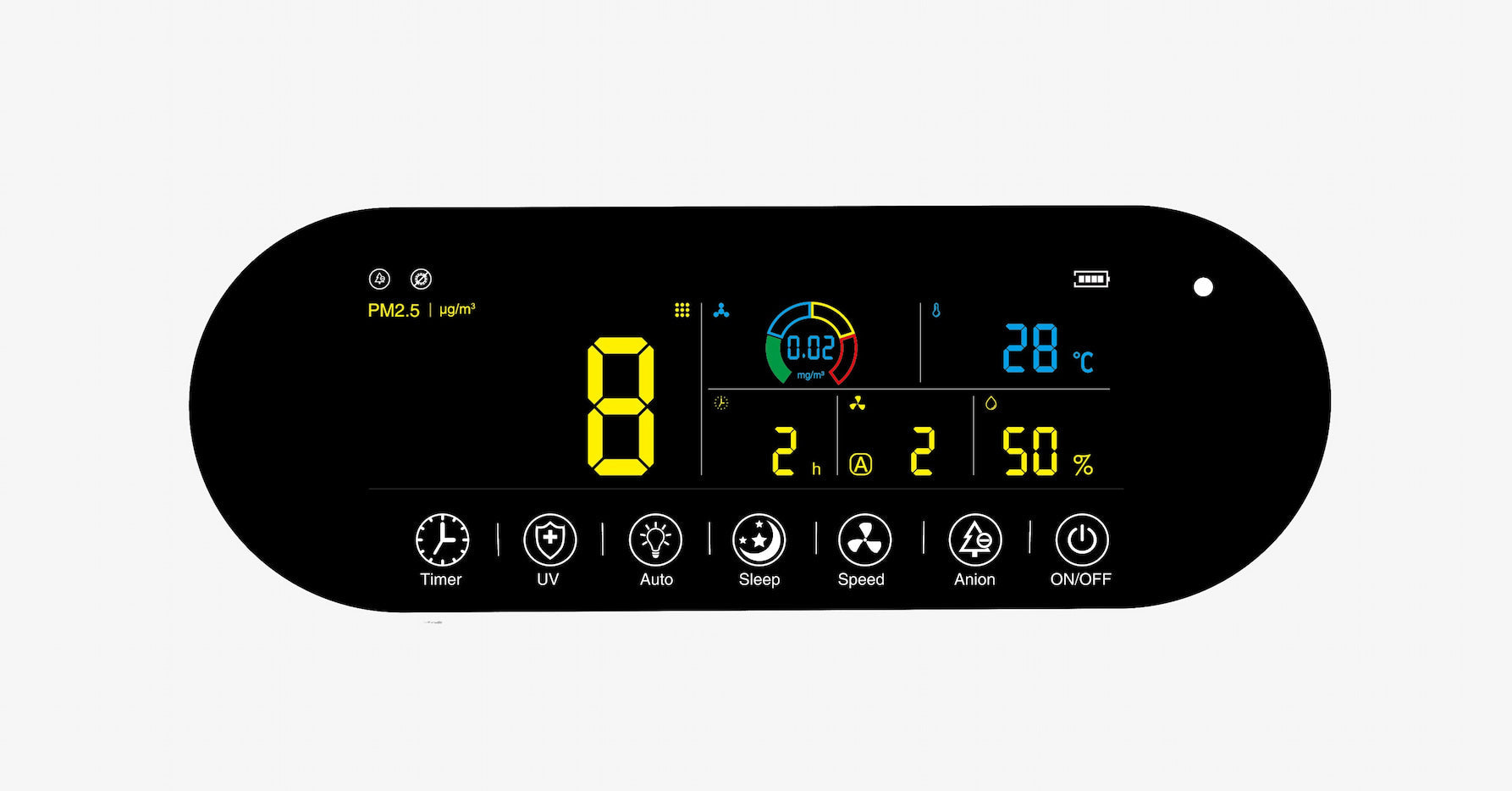
Real-time air quality data
-
Filters 99.97% of pollutants using unique and innovative filtration technologies
Do I need an air purifier?
Air purifiers are recommended for many different population groups, especially the ones mentioned below.
Individuals with respiratory conditions
Air purifiers are essential for those suffering from respiratory conditions and symptoms. They remove harmful airborne particles that, when inhaled, cause respiratory irritation that may aggravate or trigger respiratory symptoms like wheezing, asthma attacks, coughing, difficulty breathing, and more. Indoor air pollution aggravates and may even cause the following respiratory diseases:
- Chronic obstructive pulmonary disease (COPD)
- Asthma
- Pulmonary fibrosis
- Lung cancer
- Allergic rhinitis and allergies
Families with babies, children, pregnant women, elderly, or immunocompromised individuals
The most at-risk population groups when it comes to the dangers of air pollution include infants and children, pregnant women, elderly, and immunocompromised individuals.
Infants and children
According to the WHO, it is estimated that 93% of children under the age of 15 breathe polluted air. Infants and children are at higher risk because children breathe more air at a faster rate, increasing their exposure to a greater amount of pollutants. They also have underdeveloped immune systems, making them more vulnerable to the health risks posed by air pollution. Air pollution also impacts a child’s ability to perform in school and has been linked to lower test scores.
Read more about the impacts of air pollution on children here.
Pregnant women
Pregnant women are at high risk of the adverse health effects caused by both indoor and outdoor air pollution. Air pollution exposure amongst pregnant women has been linked to an increase in preterm birth, preterm labour, low birth weight, risks to the placenta, effects on blood pressure, and spontaneous abortion/stillbirth. If a foetus is exposed to air pollution in the womb, there is a higher risk that the child will develop asthma, obesity, and even autism, according to recent studies. Furthermore, becoming pregnant in the first place is more of a challenge for women who are exposed to air pollution: a 2018 study showed that air pollution impacts fertility rates, especially for women undergoing IVF or other fertility treatments.
Read more about the impacts of air pollution on pregnant women here.
Elderly individuals
With the elderly population expected to reach 19% of the world’s population by 2050, air pollution’s impact on elderly individuals is a topic of mounting interest. When exposed to air pollution, elderly individuals have a higher risk of premature death and an increased incidence of hospital visits as a result. Studies have shown that, for individuals over age 65, hospital visits increased by 6% in winter and 9% in summer when sulphur dioxide (SO2), nitrogen dioxide (NO2), particulate matter, and black carbon (BC) concentrations increased over a 24-hour period. It has even been declared that the current daily limits on air pollutants set by the WHO are too high for elderly individuals.
Read more about the impacts of air pollution on the elderly population here.
Immunocompromised or immunosuppressed individuals
For those undergoing chemotherapy treatments or who have diseases that reduce their immune system’s responses, air pollution exposure has been linked to a higher premature mortality rate. Studies have observed lower survival rates for those undergoing chemotherapy as a result of air pollution exposure, even for cancers that have a relatively high survivability rate.
Read more about the impacts of air pollution on immunosuppressed individuals here.

Pet owners
Pet owners benefit greatly from the presence of an air purifier in their homes. High-performance air purifiers tackle not only airborne pollutants like pet hair and dander from your pets, but also unpleasant odours generated by our pets. For individuals who experience pet allergies, an air purifier helps protect their respiratory systems from breathing in airborne allergens generated by your pets like Can f 1, Can f 2, Fel d 1, Fel d 4, and Fel d 7. These compounds are those that most commonly induce allergy symptoms: they are of a microscopic size, allowing them to stay airborne for an extended period of time, increasing the likelihood of being inhaled and triggering an allergic response in sensitive individuals. Pets also track allergens into the home, especially pollen, that trigger allergic responses in many individuals. Furthermore, for combatting airborne pet odours, air purifiers equipped with a high-quality activated carbon filter will help significantly increase your quality of life.
Urban dwellers and commuters
As emphasised above, transportation is the most significant source of air pollution in cities. For urban dwellers and commuters alike, investing in an air purifier greatly helps protect these individuals from fine particulate matter, VOCs, and odours emitted by road traffic. This is essential for those living in urban environments who cannot escape the constant hustle and bustle of vehicles outside their front door.
Commuters are particularly at risk of direct inhalation of these toxic pollutants. Did you know that Eoleaf offers vehicle air purifiers to protect commuters during their journeys? Read more about the Pure CAR air purifier here.
Office employees
Office buildings have many different sources of air pollution that may impact both the health and productivity of employees. Outdoor traffic pollution enters office buildings via their aeration and ventilation systems. Indoors, offices are rife with air pollutant sources including chemical pollutants (VOCs emitted by office equipment, furniture, renovation materials and products, air fresheners, and disinfectants and cleaning products), odours, biological pollutants (germs like bacteria and viruses and allergens like pollen, pet hair and dander, and cigarette smoke tracked in by employees on their clothes and shoes). Exposure to office air pollution leads to symptoms in both the short- and long-term, including a loss of productivity and the ability to concentrate. Read more about office air pollution here.
Health-conscious individuals
Air purifiers serve as an important investment in personal health. Studies have linked air pollution exposure to diseases that impact nearly every organ of the body, including (but not limited to):
- Cardiovascular disease
- Respiratory disease (asthma, COPD, pulmonary fibrosis, pneumonia, and lung cancer)
- Premature death and increased hospitalisation risk
- Increased incidence of allergies
- Increased risk of germ spread (viruses and bacteria), particularly important during epidemics and pandemics
- Reduced mental health (anxiety, depression, and fatigue)
- Multiple types of cancer, especially lung cancer (more than 10% of all cancer cases are attributed to air pollution exposure)
- Reduced productivity (for students and employees) and test scores
Installing an air purifier in your home and/or workplace is one of the easiest ways to protect your health from the many dangers of air pollution.

How to know if you should invest in an air purifier
Signs you might need an air purifier at home or at work
Indoor air pollution may present itself in a multitude of ways. Notable symptoms of fatigue, stress, allergie symptoms, headaches, and/or other symptoms that disappear when you leave your indoor space are a good indicator of indoor air pollution. Seeing visible dust that has settled on your furniture or mould growth may also be a sign that an air purifier is a worthy investment. You may also smell an unpleasant odour. An accumulation of unpleasant smells may be another sign that an air purifier would be beneficial.
Measuring indoor air quality yourself
A simple way to determine whether your indoor air is polluted is to install a carbon dioxide (CO2) detector. Elevated concentrations of CO2 in indoor spaces or rooms have long been associated with poor indoor air quality due to the fact that high CO2 levels are produced as a result of both insufficient ventilation and poor air renewal. More advanced sensors, like those that monitor PM2.5 and VOCs, are useful in determining the state of your indoor air. These monitors can easily be integrated into a smart home or are controllable by an app.
Some individuals may opt for professional indoor air audits, but this is not necessarily a cost-effective method when high-quality monitors that you can purchase for your home are typically inexpensive and very efficient. However, if you are concerned about asbestos or radon in your home, professional intervention is highly recommended before purchasing an air purifier (which makes an excellent supplement to professional mitigation efforts).
What air purifiers actually do - and don’t do
How modern air purifiers work
Using a powerful fan, a high-performance air purifier pulls in polluted air, treats the air with one or more filtration technologies, and then recirculates the air back into your space. The technologies these air purifiers use, however, vary significantly between brand and model.
Most basic air purifiers are equipped with some kind of fine particle filter (HEPA-certified, HEPA-type, etc.) and an activated carbon filter. Although these technologies are effective, their quality may also vary. The general rule is that the lower-cost an air purifier, the lower-quality the filtration technology.
HEPA filters
High-Efficiency Particulate Air (HEPA) filtration is a crucial air purification technology that removes airborne particles generated by many sources (smoke, road traffic, gas and wood stoves, and more). If an air purifier claims to offer a HEPA filter, it is necessary to ensure that the filter is ‘HEPA-certified’. Many air purifiers may make HEPA claims, but lack of certification means that their filtration capacity has not been verified by a third party. There are also multiple grades of HEPA filters with H13 and H14 filters being medical-grade. Eoleaf air purifiers all contain HEPA H13-certified filters, guaranteeing the removal of 99.97% of all airborne particles down to 0.01 microns (including PM10, PM2.5, and PM0.1).
Activated carbon filters
Another important air purification technology is activated carbon filtration. Activated carbon removes air pollutants that HEPA cannot, notably chemical pollution (VOCs like formaldehyde, benzene, ozone, and carbon monoxide). Again, this is another technology that varies substantially in quality. The heavier the activated carbon filter, the more pollutants it is capable of filtering out. When making your purchase, make sure to ask the manufacturer of your air purifier for the weights of its activated carbon filter. Here at Eoleaf, we make all of this information available to the public which can be found here.
Other essential air purification technologies
At Eoleaf, air purification is at the heart of our business. We are not just another multinational conglomerate (like Dyson or Philips) that adds a line of air purifiers to its already extensive catalogue of home electronic devices simply because there is a market for it. Instead, we sell only air purification products with a goal of providing you with the cleanest indoor air available. This is why we have developed an 8-step air purification technology that targets any and all types of air pollutants.
In addition to our HEPA H13-certified filter and heavy activated carbon filter, our devices also offer other technologies that are essential in combatting all types of indoor air pollution. They include:
- UVC sterilisation: the only technology on the market that targets and filters germs (viruses and bacteria) and sterilises your filter. When your air purifier removes pollutants from your indoor air, those pollutants have to go somewhere! They end up stored in your filter until you perform a filter change, creating a hotbed for viruses and bacteria and harmful air pollutants inside your device. Without UVC sterilisation, the risk of recontamination is high when you perform a filter change.
- Photocatalysis: a depollution technology, not a filter. Photocatalysis targets complex gaseous pollutants and VOCs.
- Ionisation: another depollution technology. It removes fine and nanoparticles, especially those generated by tobacco smoke, all without generating harmful ozone.
It is worth noting that air purifiers are not designed for temperature control (heating or cooling), nor do they reduce or increase humidity levels in your space. Some brands, namely Dyson, offer 2-in-1 temperature control/air purification devices, but air purifier filter fibres are highly sensitive to dramatic temperature changes. Read more about why we do not recommend this type of device in our article here.

Myths and misconceptions
‘Do I need an air purifier? I open my windows’
This is only a partial solution. During periods of extreme weather conditions (in the middle of winter or during a heatware, notably), most people keep their windows closed. Furthermore, while ventilating your space remains essential, it also brings in pollutants from outside. When you open your windows and then close them again, all of that polluted air remains trapped in your space. Ventilation is important, but so is removing the pollutants that have found their way into your home or office, as well as the pollutants that are generated indoors.
‘All air purifiers are the same’
This could not be further from the truth! The market is flooded with air purifiers all offering different shapes, sizes, prices, and, most importantly, quality. Before ordering an air purifier, the importance of doing your research cannot be overstated. Did you know that, despite being a well-known brand, Dyson air purifiers do not adhere to the CADR industry standard (a standard that determines an air purifier’s filtration efficiency and allows customers to compare between brands), instead insisting on developing and adhering to its own self-invented standard? Or that Levoit removed all mentions of HEPA certification from its website after a dispute was filed questioning their products’ efficacy? Or that Philips provides incorrect calculations on its website regarding the coverage area of its air purifiers, when in reality their devices cover only half of the area they claim? Do your research and educate yourself on the product before purchasing. If information is not readily available, study technical specifications and ask questions! The state of your indoor air depends on it!
‘They make no difference unless you have allergies’
Again, this cannot be further from the truth. Yes, many individuals rely heavily on air purifiers to keep their respiratory symptoms, including allergies, at bay, but it benefits asthmatics, those with COPD and cancer, those at higher risk of falling ill due to immune system suppression, and more. Air purifiers are found in medical practices, gyms and fitness centres, hair salons, schools, and other indoor spaces welcoming the public because they serve an important purpose: protecting users of those spaces from the dangers of indoor air pollution. Indoor air pollution is found in many forms, and some professions, like dentists and hair stylists, are at significant risk of developing occupational asthma or other diseases due to the pollutants they encounter at work.
Choosing the right air purifier for your environment
Key criteria to consider
Certain factors must be considered in order to choose the perfect air purifier for your needs. Coverage area (also known as room size), CADR, energy efficiency, and noise levels are all things to keep in mind before choosing the right air purifier for you.
An air purifier should be properly sized to your space or room in order to properly filter all of the air in your space in a timely manner. The general rule is that an air purifier should completely replace your indoor air 3 to 5 times per hour (also referred to as ‘Air Changes per Hour’ or ACH). Verify this information in your air purifier’s technical specifications: some air purifiers, in order to show a higher Clean Air Delivery Rate (CADR), will show an air purifier’s efficiency based on an ACH of only 1 or 2 (which means that the air is only renewed once or twice per hour - imagine having to inhale second-hand cigarette smoke and associated odours that have entered your space or room for 30 minutes before the air purifier replaces it with purified air!). CADR is another important metric to keep in mind, and the higher the CADR value, the more efficient the air purifier. Read more about ACH and CADR here.
Energy efficiency and noise levels are also two factors that must be considered, especially if you live or work in a noise-sensitive environment (an office building, a bedroom, a small residence with young children, a medical practice, a yoga or meditation studio, etc). Eoleaf air purifiers consume very little energy, equating to just a few pounds, dollars, or euros per month even when left running continuously. We also pride ourselves on manufacturing devices that are powerful yet quiet - our devices never exceed 60 dB of noise, even when left running at their fastest fan speed. When running on its lowest fan speed, noise levels do not exceed the equivalent of a gentle whisper.
Certifications and standards to look for
As of 2025, the air purification industry remains a young and unregulated market, a fact that causes issues for both manufacturers and consumers alike. For manufacturers, it is a challenge to compete with other manufacturers that sell sub-par products, especially when they make big claims that many consumers are not well-versed enough in the industry to identify at first glance. For consumers, it is difficult to identify a good product in a low-cost world. When air purifiers are available on Amazon for a low price, consumers are immediately pulled in by the low cost.However, as with anything at a low price, you often get what you pay for. Not only are the filtration technologies of low quality, but these low-cost devices often require more frequent filter changes (sometimes every 3 months), contributing to your air purification budget and ultimately causing the consumer to spend more money over time.
That said, certifications in the air purification industry do exist and are an important part of differentiating high-quality products versus low-quality. Eoleaf’s certifications are as follows:
- ECP Air Cleaners
- Norme NF
- Octopus Lab
- HEPA H13
- CE
- ISO 9001:2015
- RoHS
- Intertek's ETL
Read more about Eoleaf’s certifications and their explanations here.

The cost of clean air: investment vs. long-term health
Upfront and maintenance costs
As mentioned throughout this article, air purifiers vary significantly in their pricing and quality. The two are often intertwined. The lower the price, the lower the quality. Does this mean you need to splurge on the most expensive air purifier in order to have the best indoor air quality? Not necessarily! Eoleaf air purifiers, for example, fall under mid-range pricing with devices costing around £400 (499 € or $499) for our smallest model (the NeoPur 400) to £700 (899 € or $819) for our largest model (the AltaPur 700).
All air purifiers, regardless of brand or model, require filter changes. ‘The lower the price, the lower the quality’ adage holds true with replacement filters as well. Lower-quality filters typically need to be changed every few months (three to four times per year) whereas higher-quality filters have a lifespan of up to a year. Eoleaf filters require changing only once per year. For more information regarding pricing of Eoleaf filters, refer to this page here.
Eoleaf’s approach to premium air purification
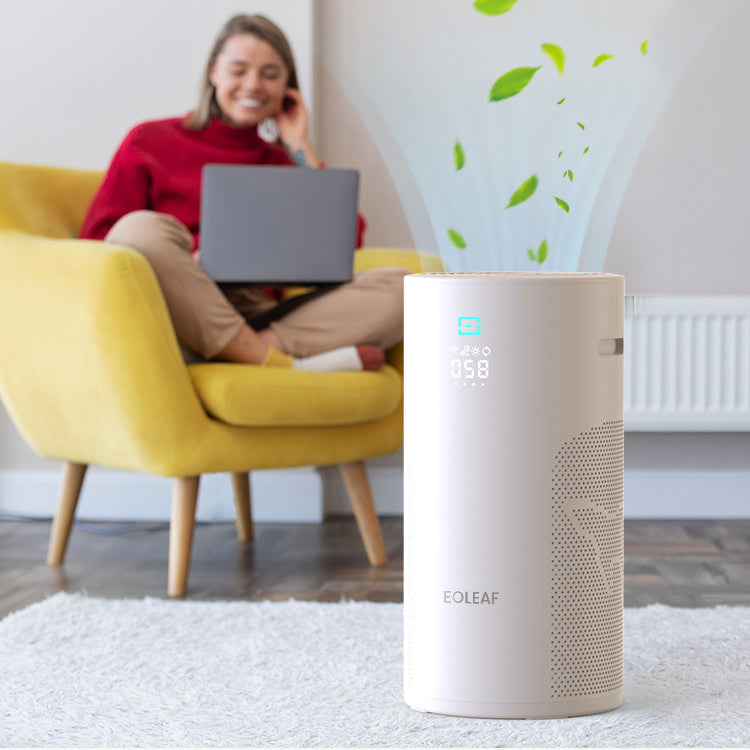
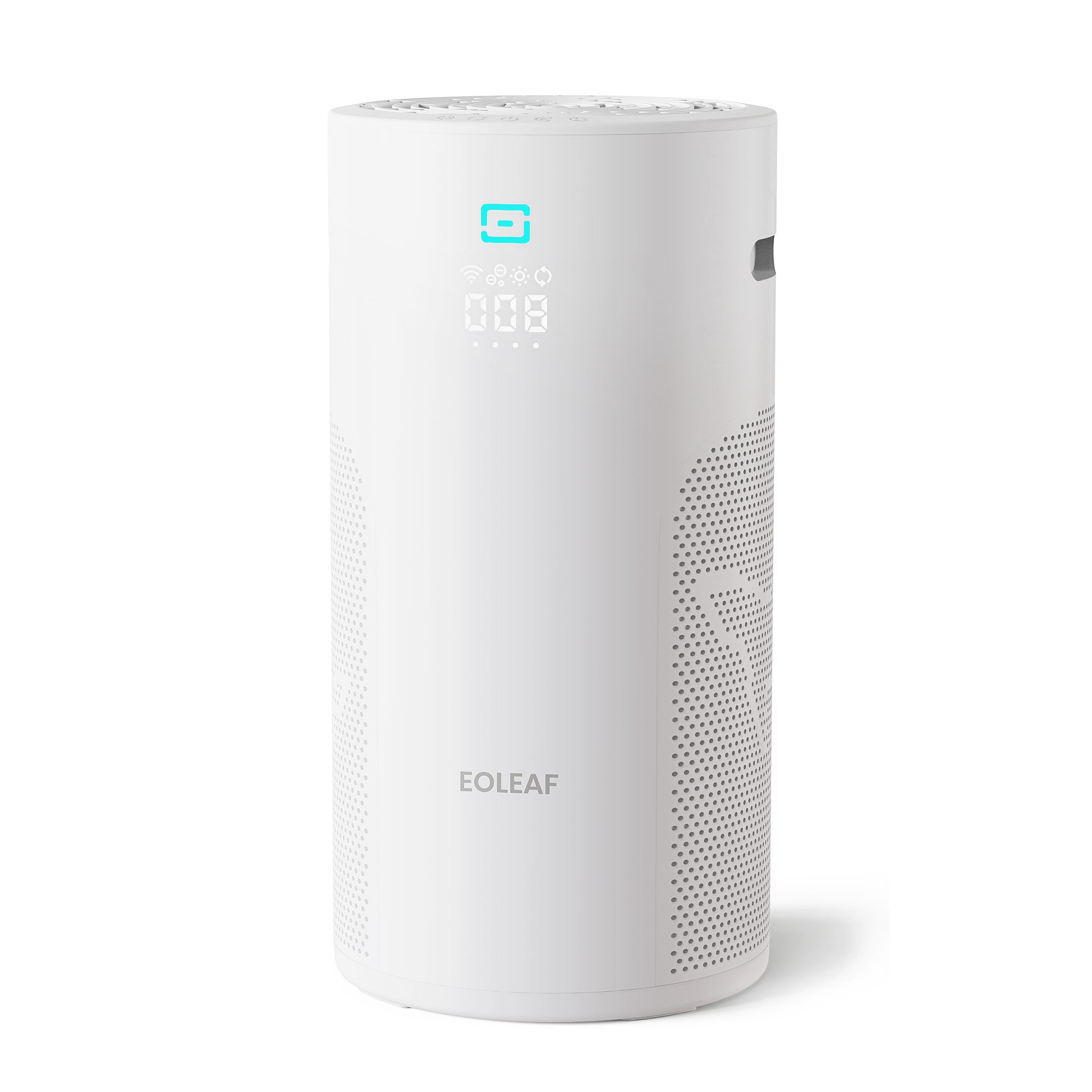
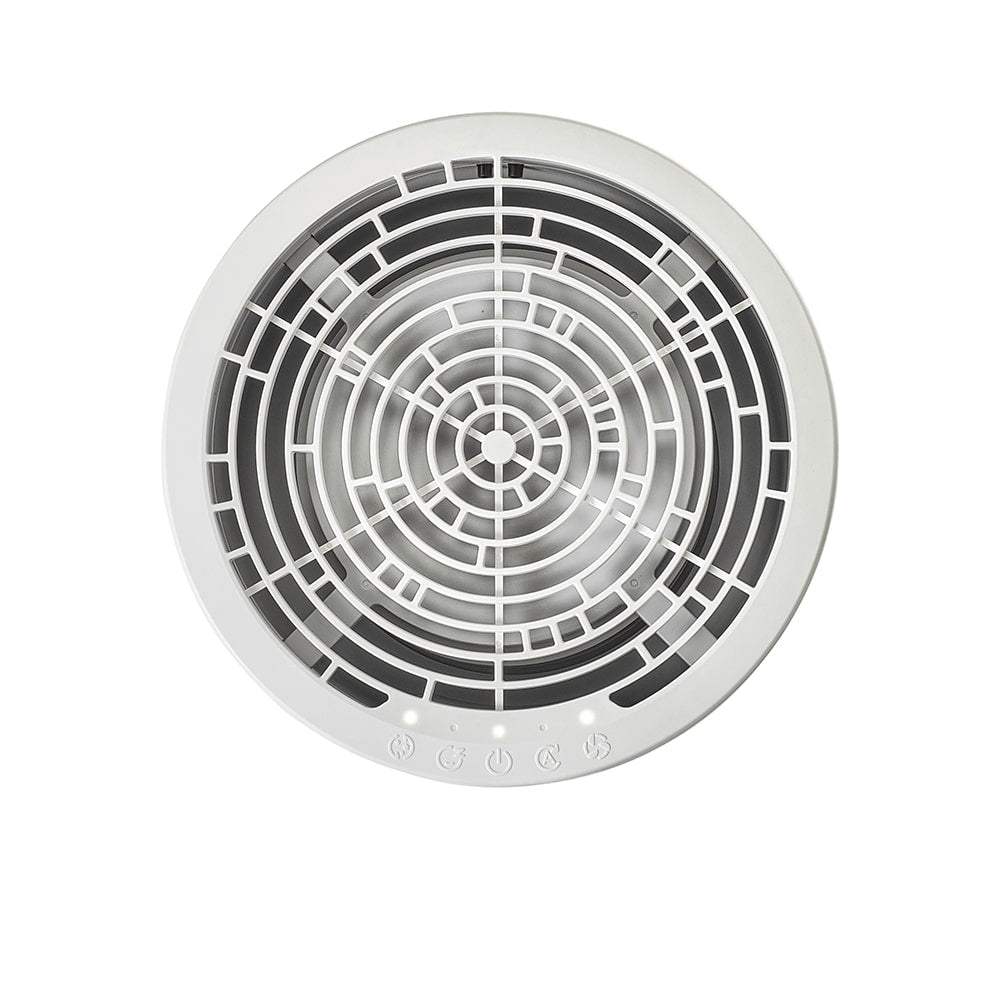
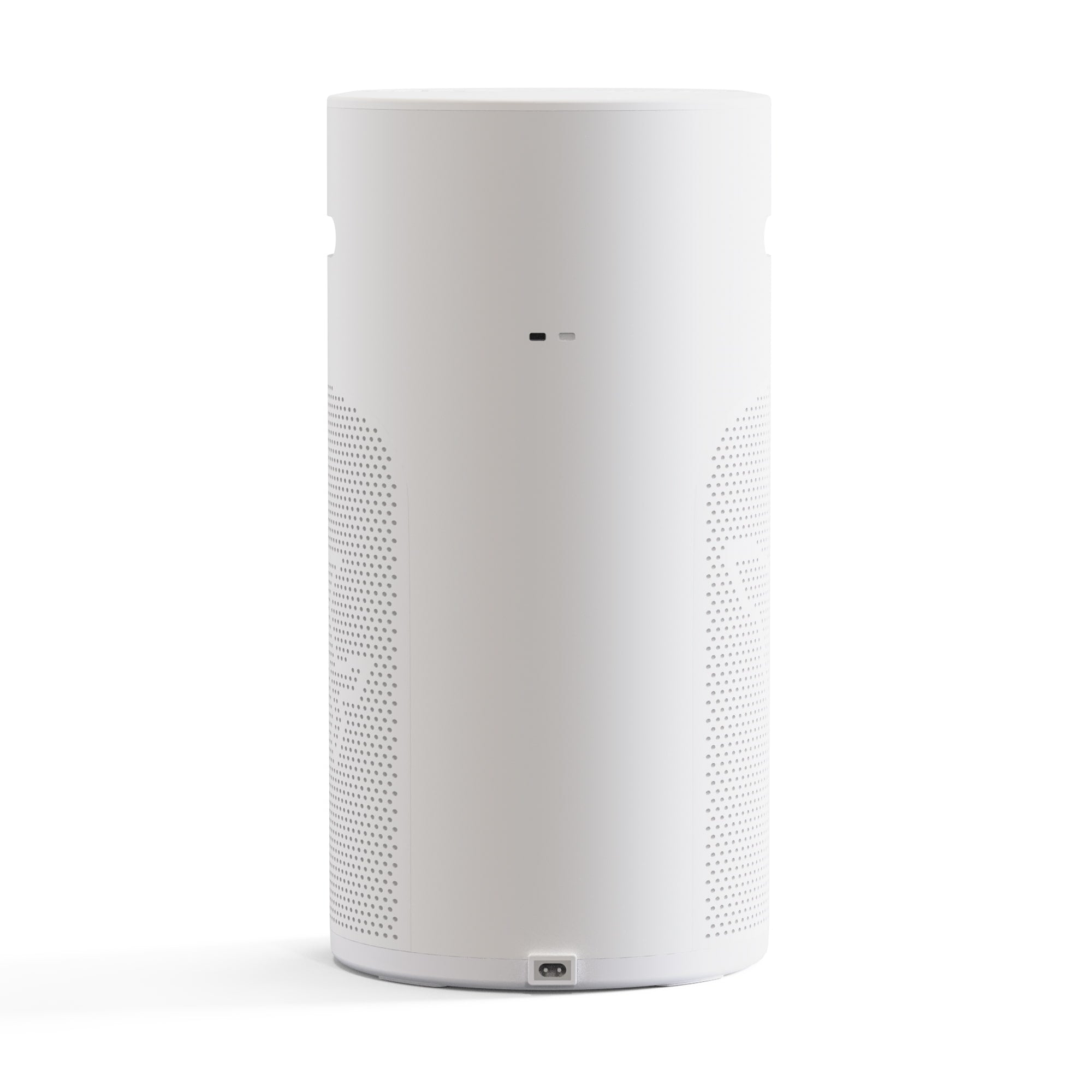
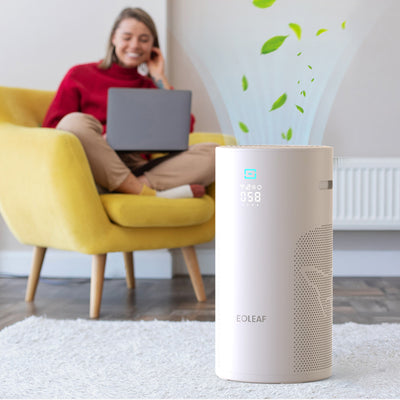
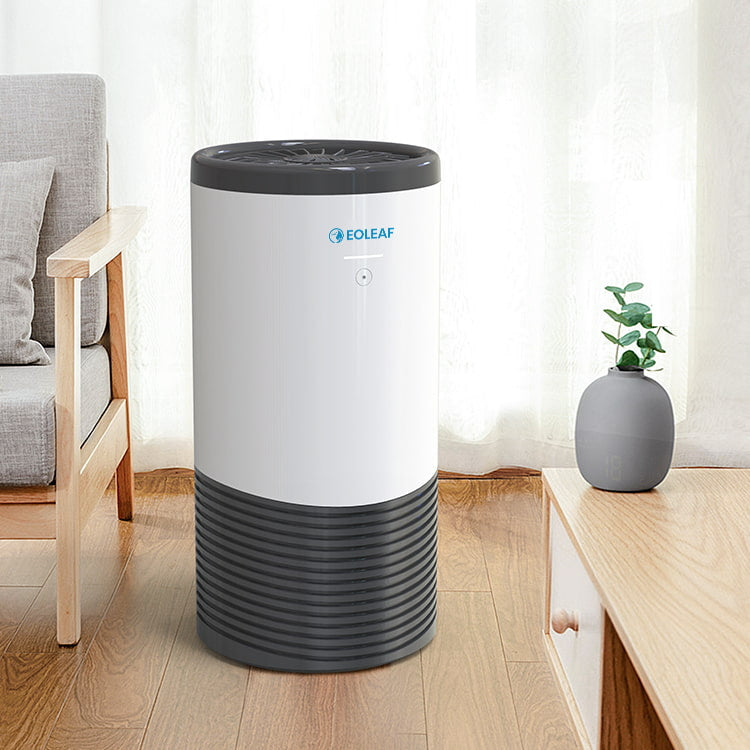
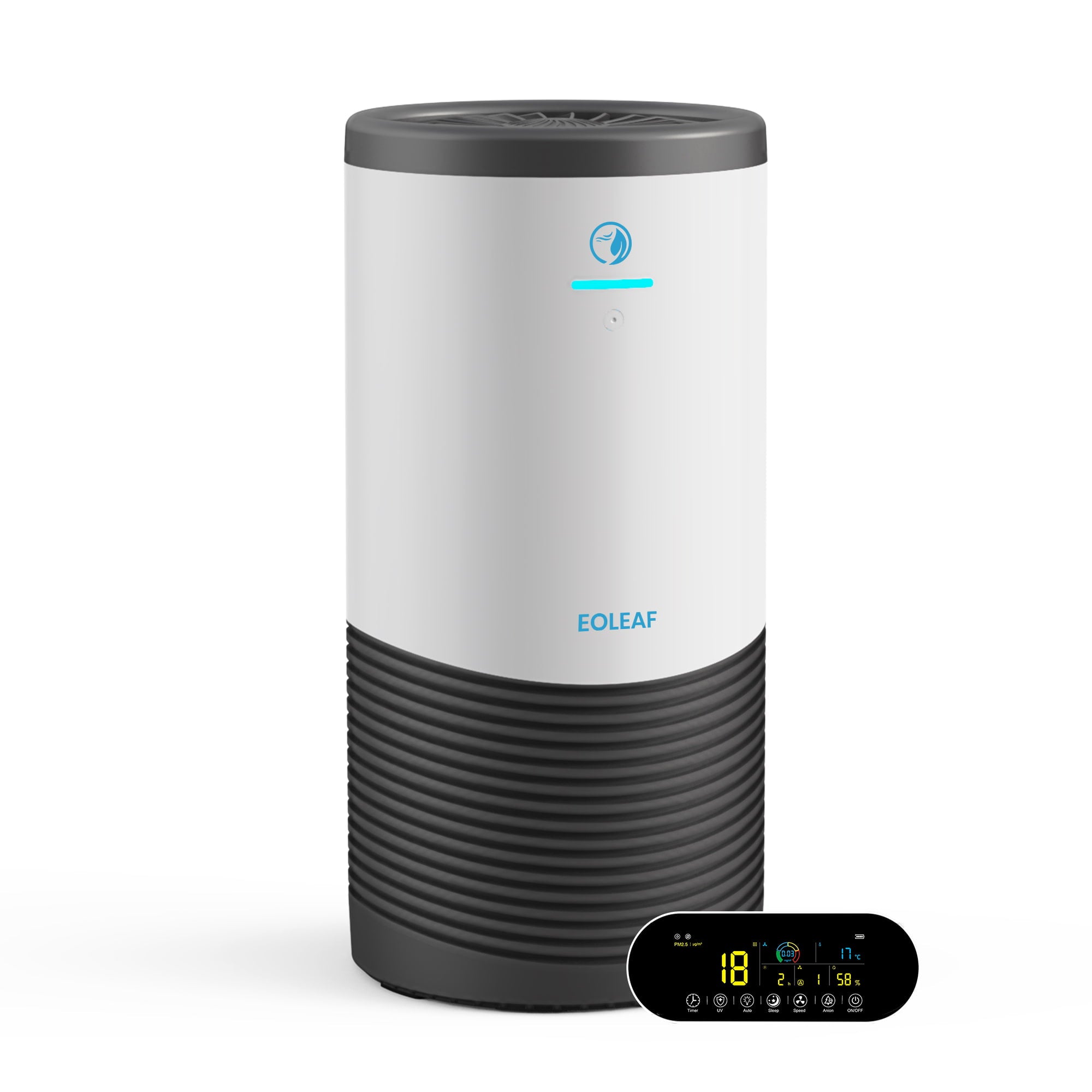
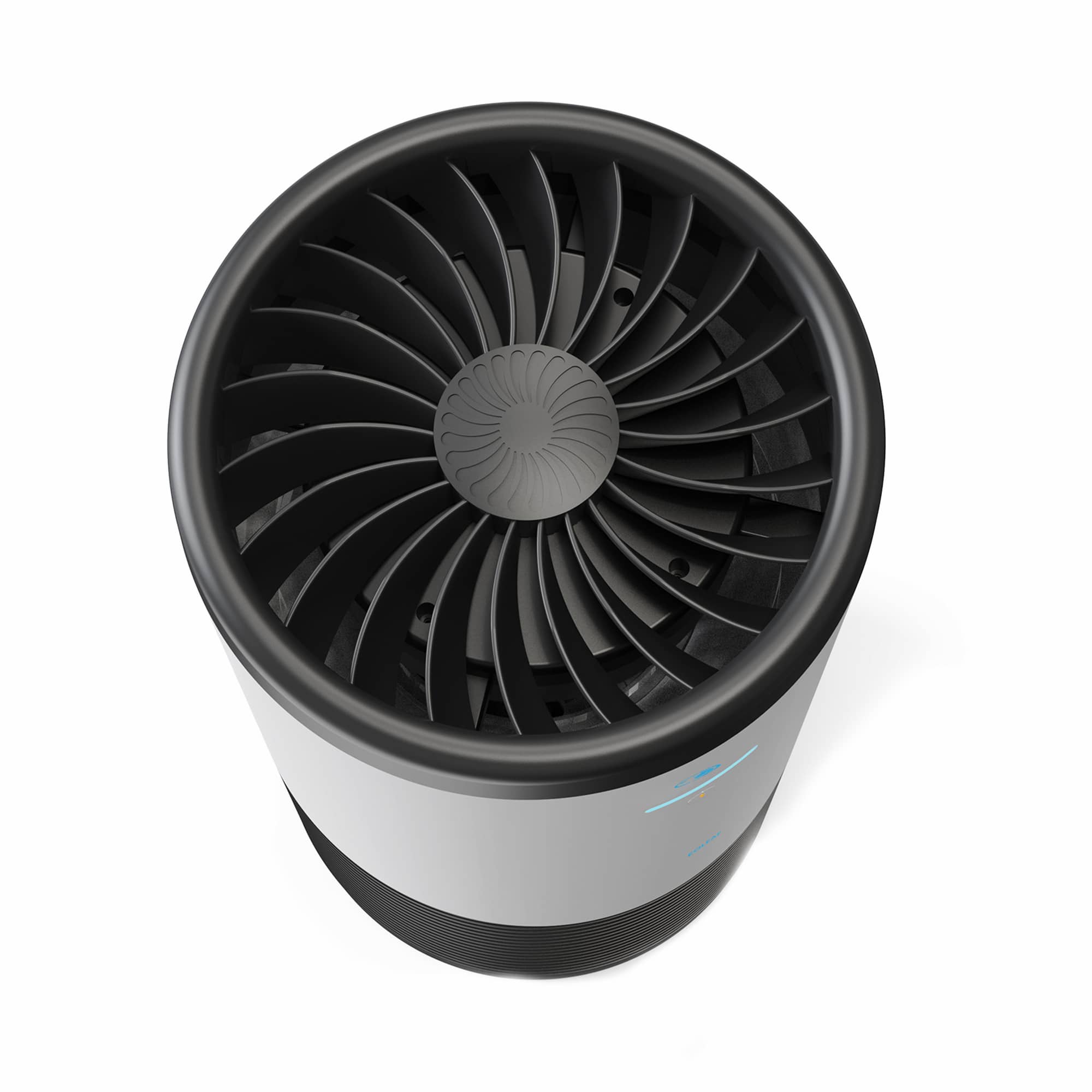
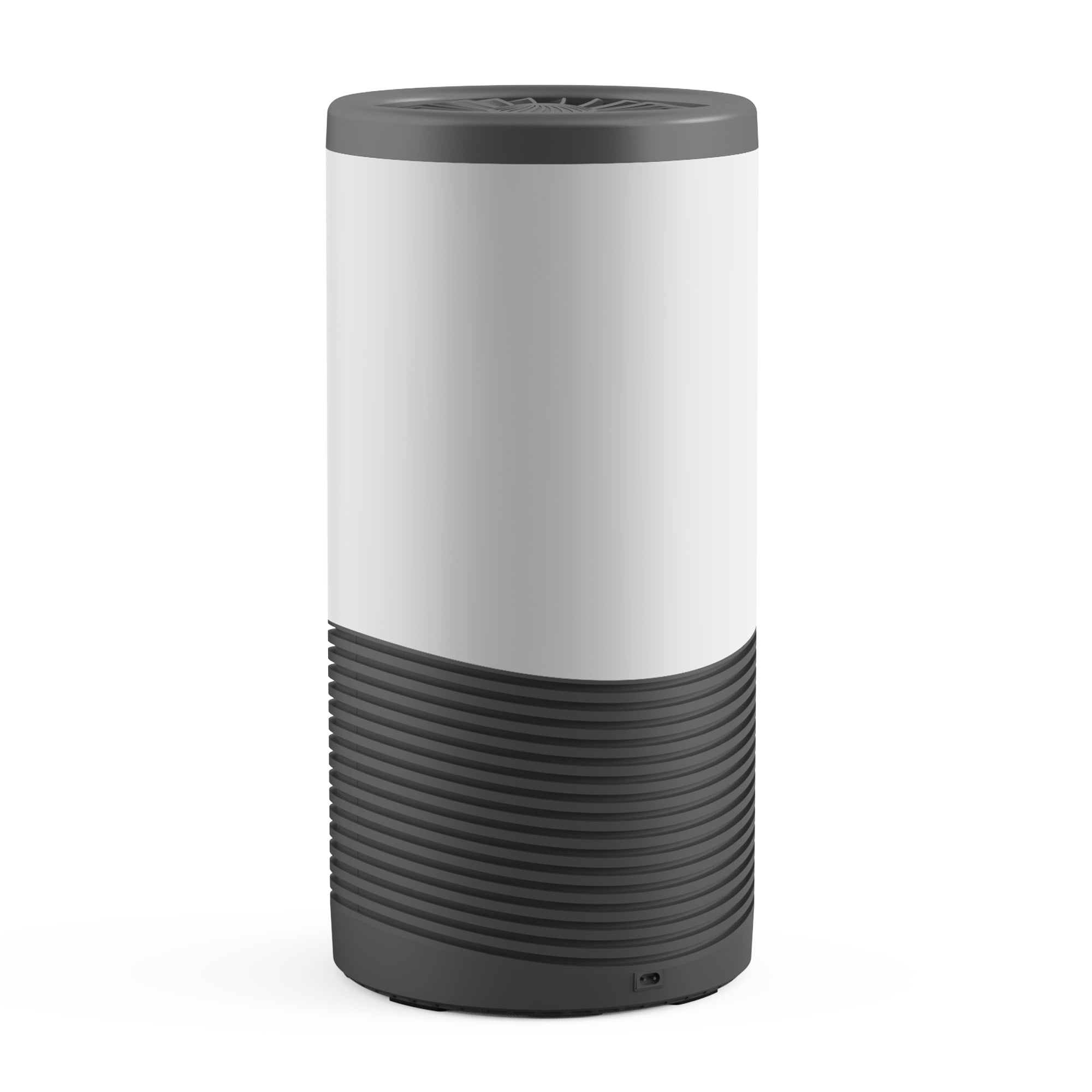
Purificateur d'air NeoPur 400
Surface 40 m2 - Intelligent & Connecté
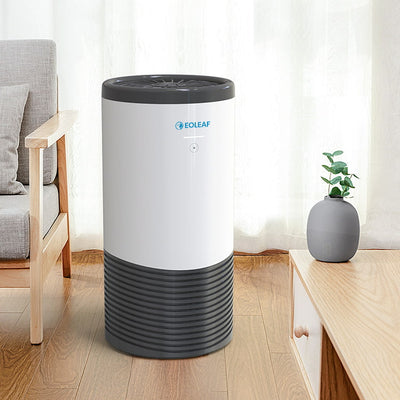
Purificateur d'air TeraPur 600
Surface 80 m² - Tout-en-un
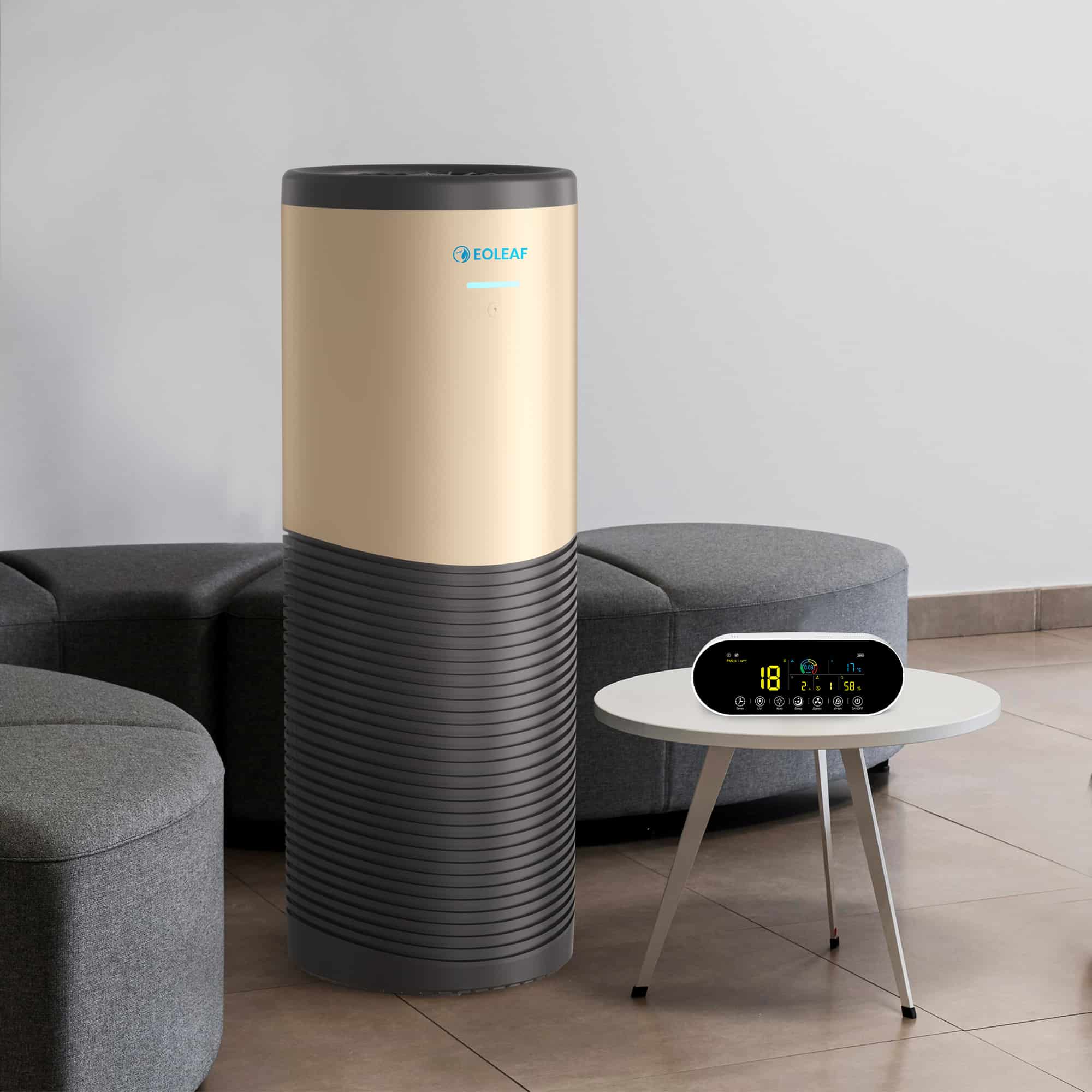
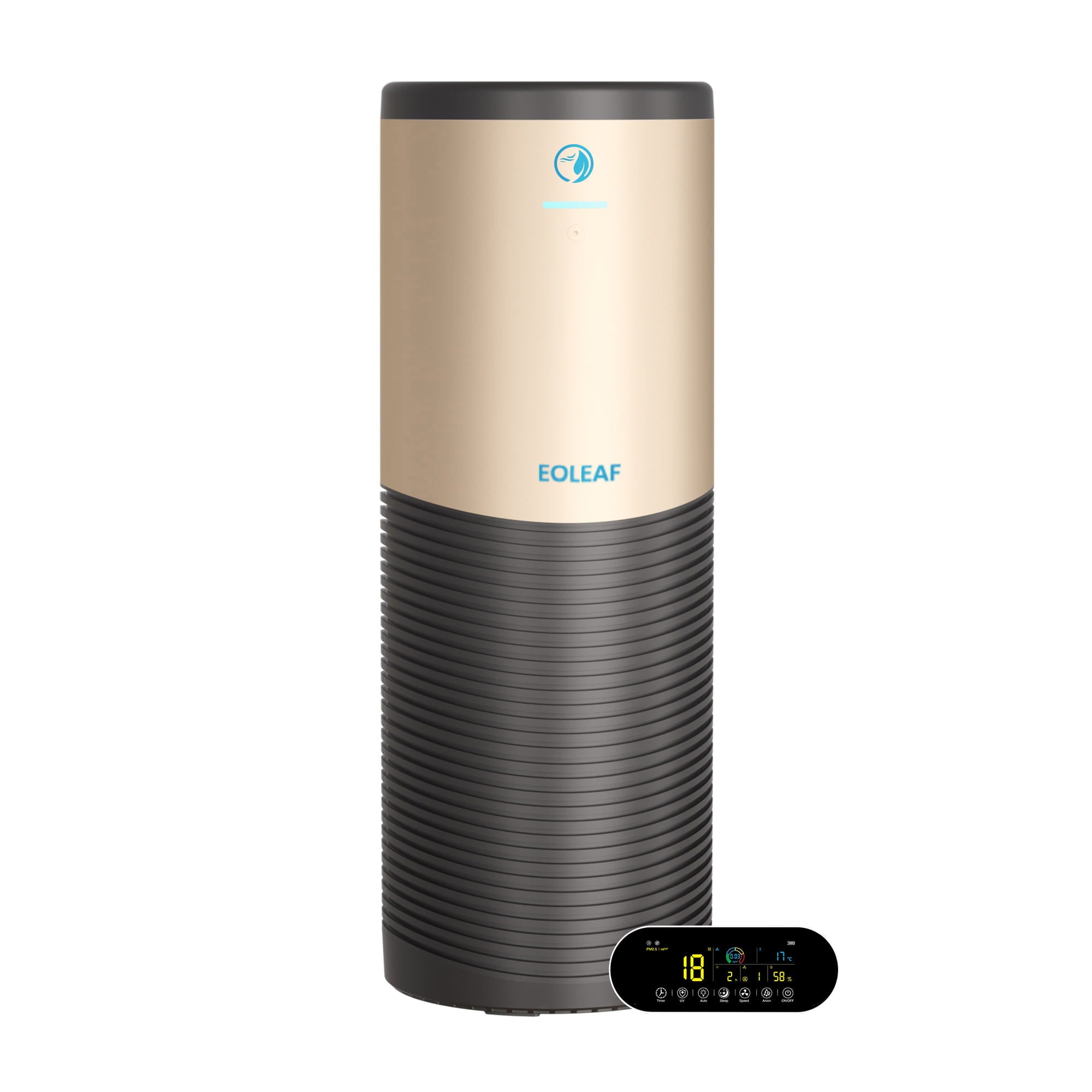
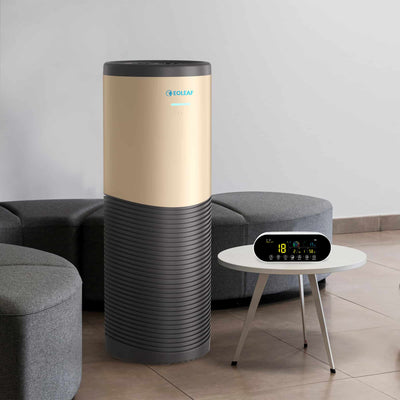
Purificateur d'air AltaPur 700
Surface 120 m² - Modèle professionnel
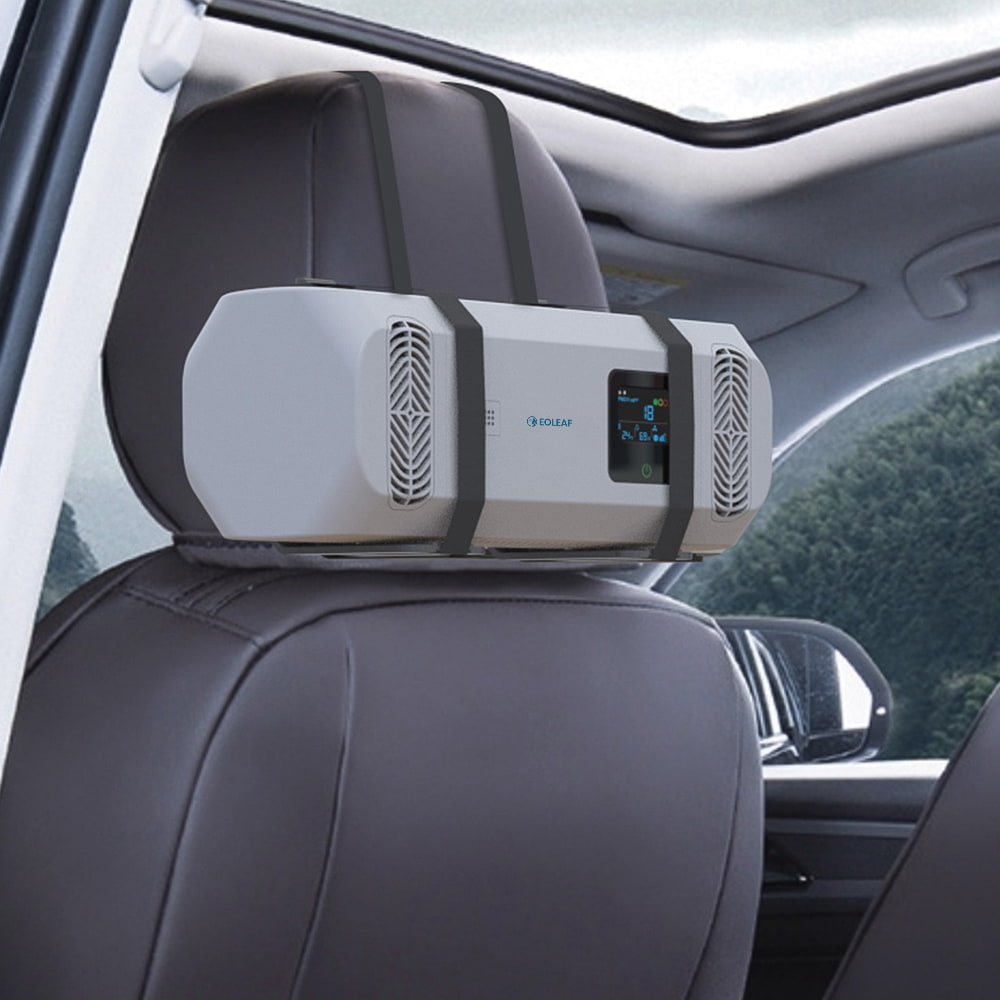
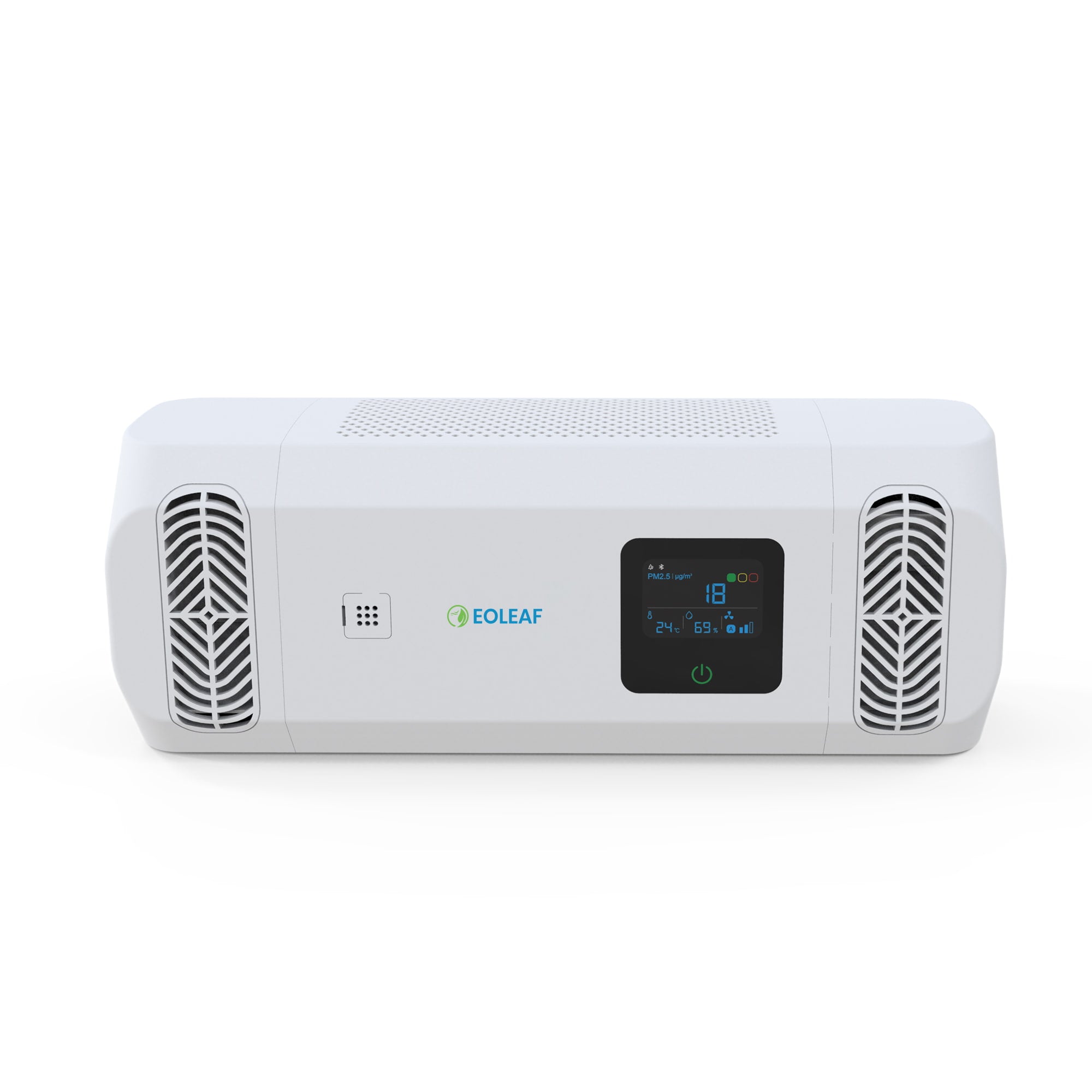
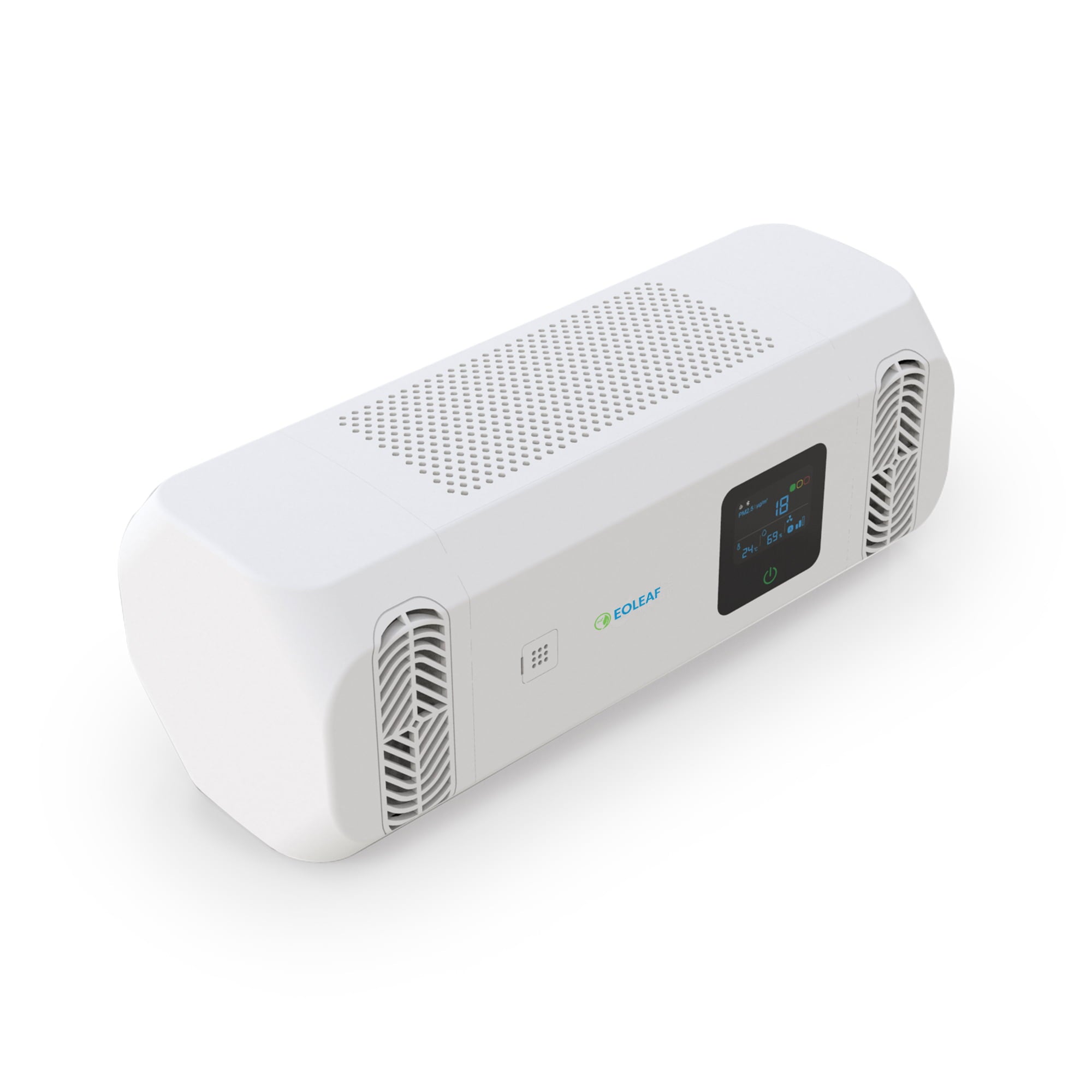

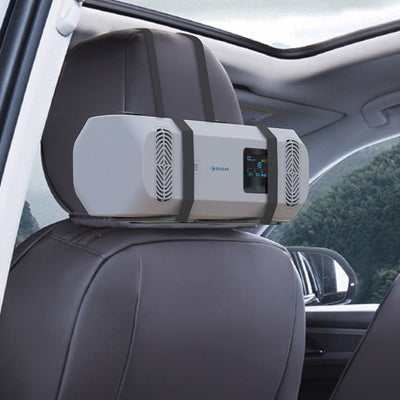
Purificateur d'air PurCar
Filtre HEPA H13 & Ioniseur - Pour tout véhicule
What sets Eoleaf apart in a crowded market
Eoleaf’s products are designed to provide customers with the most comprehensive air purification on the market. With our unique and innovative 8-step air purification technology, the removal of all types of harmful air pollution is guaranteed, and you can rest assured that you are breathing the cleanest air available in your indoor spaces. Read more in detail about our 8-step air purification technology here.
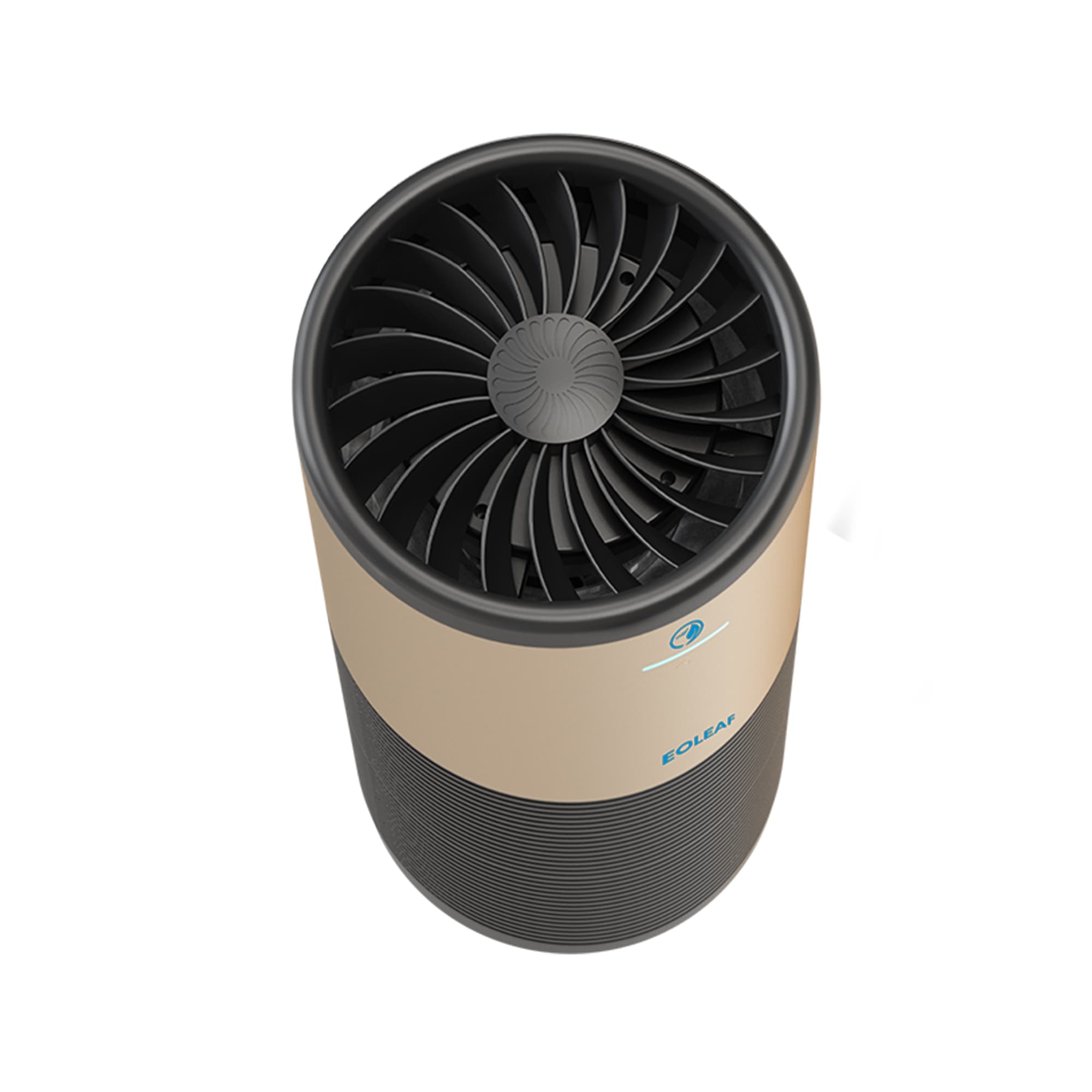
In addition to their powerful CADR values (our AltaPur 700, our most powerful unit, offers a CADR of 670 m3/hr!), Eoleaf air purifiers are designed with a vertical air output. This encourages optimal air mixing of purified air as opposed to a horizontal air output which is the standard amongst many other air purifiers.
Tailored solutions for homes and businesses
The next time you ask yourself, ‘Do I need an air purifier?’, let Eoleaf be your guide. Our devices’ modern designs means that they blend seamlessly into any indoor environment, whether it be in your home or professional space. Their powerful air purification capacities make them the ideal air purification solution for countless settings and situations ranging from entire homes and flats to medical practices, schools, restaurants, and fitness centres. You'll definitely feel the difference in your daily life!

Resources
1 World Health Organization. (2024, October 16). Household air pollution. World Health Organization. https://www.who.int/news-room/fact-sheets/detail/household-air-pollution-and-health
2 Manisalidis, I., Stavropoulou, E., Stavropoulos, A., & Bezirtzoglou, E. (2020). Environmental and health impacts of Air Pollution: A Review. Frontiers in Public Health, 8. https://doi.org/10.3389/fpubh.2020.00014
3 Takizawa H. Impact of air pollution on allergic diseases. Korean J Intern Med. 2011 Sep;26(3):262-73. doi: 10.3904/kjim.2011.26.3.262. Epub 2011 Sep 13. PMID: 22016586; PMCID: PMC3192198.
4 Boonupara T, Udomkun P, Khan E, Kajitvichyanukul P. Airborne Pesticides from Agricultural Practices: A Critical Review of Pathways, Influencing Factors, and Human Health Implications. Toxics. 2023 Oct 13;11(10):858. doi: 10.3390/toxics11100858. PMID: 37888709; PMCID: PMC10611335.
5 Raherison C, Baldi I, Pouquet M, Berteaud E, Moesch C, Bouvier G, Canal-Raffin M. Pesticides Exposure by Air in Vineyard Rural Area and Respiratory Health in Children: A pilot study. Environ Res. 2019 Feb;169:189-195. doi: 10.1016/j.envres.2018.11.002. Epub 2018 Nov 10. PMID: 30466012.
6 Upreti, M., Saikia, P., Shilky, Lal, P., & Kumar, A. (2024). Major challenges in the urbanizing world and role of Earth Observations for livable cities. Earth Observation in Urban Monitoring, 23–52. https://doi.org/10.1016/b978-0-323-99164-3.00002-1
7 Urban Air Pollution: Sources and pollutants - airqoon - cost effective and easy to use air monitoring at scale. Airqoon. (2024, December 16). https://airqoon.com/resources/articles/urban-air-pollution-sources-and-pollutants/
8 Center for Science Education. How Weather Affects Air Quality | Center for Science Education. (n.d.). https://scied.ucar.edu/learning-zone/air-quality/how-weather-affects-air-quality
La gamme de purificateurs d'air Eoleaf
Purificateur d'air NeoPur 400
Surface 40 m2 - Intelligent & Connecté
Purificateur d'air TeraPur 600
Surface 80 m² - Tout-en-un
Purificateur d'air AltaPur 700
Surface 120 m² - Modèle professionnel
Purificateur d'air PurCar
Filtre HEPA H13 & Ioniseur - Pour tout véhicule