Air quality in Lille: a data-driven analysis
Lille, as one of Europe’s most densely populated areas in Europe, is a city full of warmth and heritage. However, its unique geographical position at the heart of Northern Europe’s industrial and agricultural corridor makes it a hotbed for transboundary pollution and high agricultural ammonia concentrations. How can Lille residents, business owners, and tourists breathe cleaner air and protect themselves from the dangers of indoor air pollution? Read on to learn more.

Is Lille’s air more polluted than we think?
Lille’s specific challenges: geography, climate, and transboundary airflow
What is transboundary pollution?
Transboundary pollution is defined as air pollution originating from one country but impacting the ecosystems, economies, and communities in another1.
Lille sits on a vast plain that is heavily exploited for agricultural uses. Without any geographical obstacles, pollutants drifting in from nearby agricultural and industrial zones of neighboring countries (specifically, the Netherlands, Belgium, and Germany) create high concentrations of pollution in the Lille region2.

Source 3
Reasons for pollution episodes in the Lille region
Multiple factors contribute to Lille’s pollution levels including:
- Heavy wood stove use: in winter, Lille residents rely heavily on wood stove use for heating, which is responsible for emitting significant amounts of fine particle pollution, notably PM10
- Road traffic: vehicle emissions and resuspension of dust on roads lead to increased levels of pollution impacting the Lille area; under certain environmental conditions, these emissions react with other air pollutants like ammonia (emitted mainly through agricultural practices) and nitrogen dioxide (emitted mainly through road traffic) creating secondary pollutants like ozone that increase fine particle pollution concentrations and increase danger to health
- Agricultural practices: as mentioned above, in spring, the use of pesticides and fertilizers in the surrounding plains emits high concentrations of ammonia that react with other air pollutants to create secondary fine particles like ammonium nitrates
- Climate change: increasing temperatures, combined with UV rays from the sun, has been leading to more frequent episodes of high ozone concentrations
In 2024, the Lille region experienced three days of severe pollution, whereas 2025 was plagued by 15 days. This is due to increased heating use, especially wood-burning systems, driven by prolonged cold spells and weather conditions like low wind and rain that trap pollutants near the ground2.

Source 2
Official data: the reality of “L’Air du Nord”
The data regarding the Hauts-de-France region underscores a significant public health challenge.
- 1,700 premature deaths: According to regional studies, air pollution causes over 1,700 premature deaths in the Hauts-de-France region each year, with a significant concentration in the European Metropolis of Lille (MEL)4
- Particulate matter (PM2.5): Because of the combined effects of industry and wood heating, Lille frequently records greater annual averages of PM2.5 than southern cities. The recommended annual exposure limit of 5 ug/m3 is often exceeded5
- Nitrogen dioxide (NO2): Due mostly to Lille's position as a significant European logistics hub, NO2 levels regularly approach or above safety standards along the A1 motorway and the Grand Boulevard2
The benefits of buying an Eoleaf air purifier:
-
Discreet and elegant design
-
Quiet yet powerful (up to 670 m3/hr)
-
Can be placed anywhere in your space thanks to our 360° technology
-
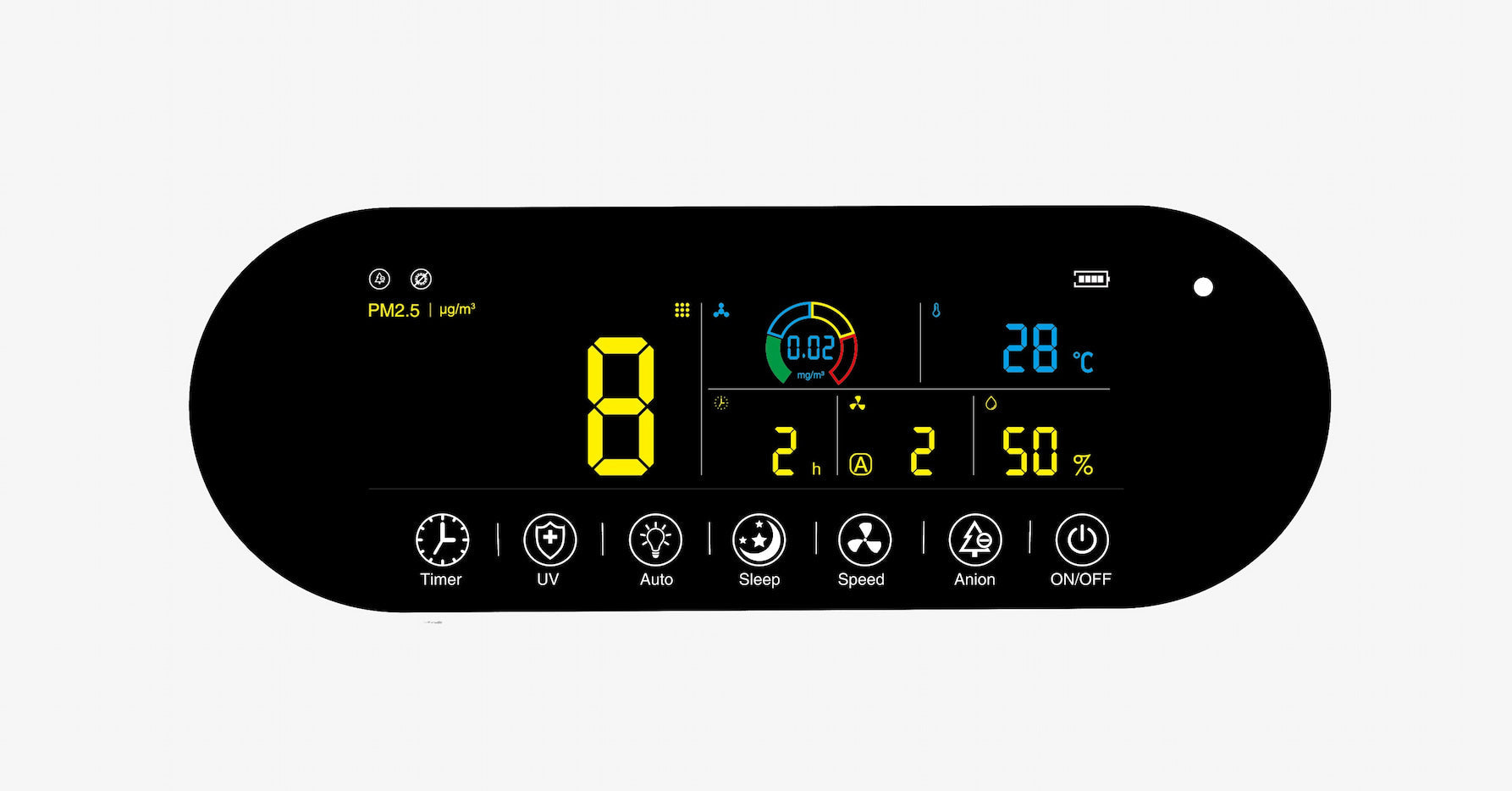
Real-time air quality data
-
Filters 99.97% of pollutants using unique and innovative filtration technologies
-
Modern (mobile app compatible) but easy to use (Automatic mode)
-
Smart and customisable devices (smart scheduling, automatic power off/on, etc.)
Who is the most exposed? The most vulnerable risk groups in Lille
Proximity to major arteries
Residents living near major motorways like the Rijsel bypass (périphérique) or the A25 motorway are particularly vulnerable to air pollution exposure. These roads create a constant stream of heavy-goods vehicle emissions.
Vulnerable risk groups
Children, the elderly, pregnant women, and immunocompromised individuals
When it comes to the dangers of air pollution, the most vulnerable risk groups include infants and children, the elderly, pregnant women, and immunocompromised individuals. Schools, daycares, nursing homes or care homes, and medical institutions located close to busy roads that experience heavy amounts of air pollution in Lille are high-risk environments.
These risk groups need to take extra care during periods of peak pollution, especially in winter. The combination of cold air and high particulate air pollution can significantly exacerbate pre-existing respiratory and cardiovascular diseases and conditions4.
Professionals in office buildings
Indoor air pollution is not just a residential issue. Workers who spend their days in poorly ventilated offices, high-street shops, and medical practices in the city center face high exposure. In these congested environments, outdoor pollutants mixing with indoor contaminants creates a high-risk atmosphere for both staff and the public.

Why indoor air quality is crucial in Lille
Outdoor air pollution enters indoor residential and professional spaces
Humans spend up to 90% of their time indoors. This is why indoor air quality is crucial everywhere, regardless of where you live. However, in locations that tend to experience colder, longer winters, like Lille, extra precautions need to be taken and awareness needs to be raised in order to protect residents from the negative effects of poor indoor air quality.
Outdoor air pollutants easily enter indoor spaces through open doors and windows, especially during periods of extreme heat and/or poor insulation in the space. Fine particles, for example, can easily penetrate Lille’s brick homes through cracks and older ventilation or HVAC systems
Internal sources of poor indoor air quality
VOCs
Chemical pollution (including volatile organic compounds or VOCs) is one of the most common forms of indoor air pollution. As we build our homes to be more airtight in order to keep heating and cooling from escaping, VOCs generated by building materials, home furnishings, cleaning products, and fragrances (to name a few) reach high concentrations.
Humidity
High humidity levels in the Flanders region encourages the proliferation of mold growth and the accumulation of dust mites. This, in combination with outdoor allergens, creates a perfect storm for allergy sufferers.

Purifying the air in Lille: what are the best solutions?
The limits of simple gestures
Although it is highly recommended to open windows regularly in order to evacuate stale air, this well-intentioned habit may prove to be risky during periods of peak pollution. Opening windows in an urban environment like Lille may invite fine particles and nitrous oxides directly into your space. Fragrances and essential oils may be marketed as a natural solution to indoor air pollution (especially odors or musty, mold smells), but they are a pollutant in themselves (containing high concentrations of VOCs) and should be discouraged for those trying to improve their indoor air quality.
The role of high-performance air purifiers
For cities like Lille, it is essential to invest in an air purifier that comes equipped with all of the technologies necessary to combat a complex mixture of air pollution. Not all air purification technologies are created equal: each serves its unique purpose in order to tackle different forms of air pollution. This is where Eoleaf comes in.
Why choose an Eoleaf air purifier in Lille?
Eoleaf products stand out in today’s air purification market. They provide some of the most comprehensive air purification solutions for the home and professional spaces. Eoleaf focuses heavily on laboratory testing and scientific studies, and all of our technologies are tried and true. Our devices are specifically designed to handle high particulate pollution levels as well as ammonia-based gases emitted through agricultural practices in the Lille region. Read on below to learn more.
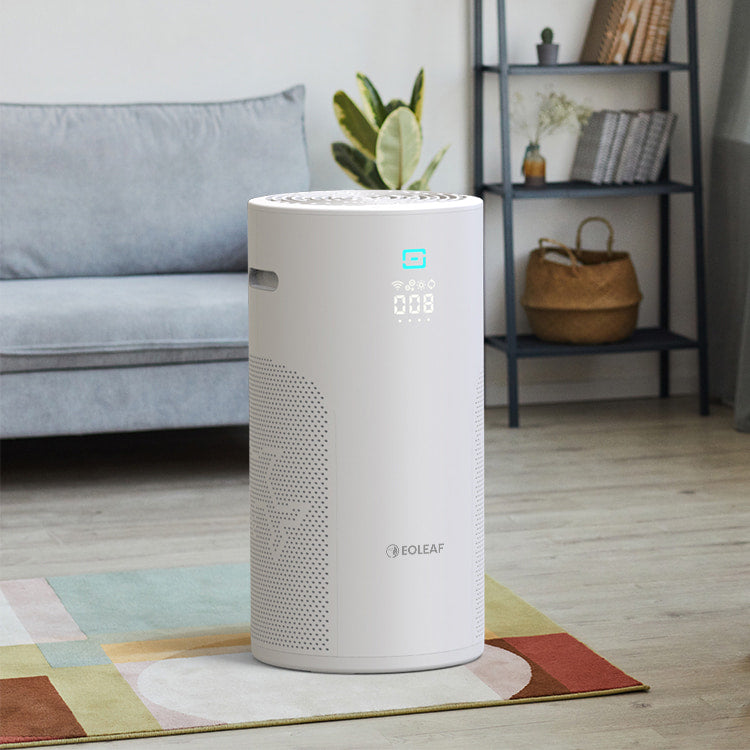
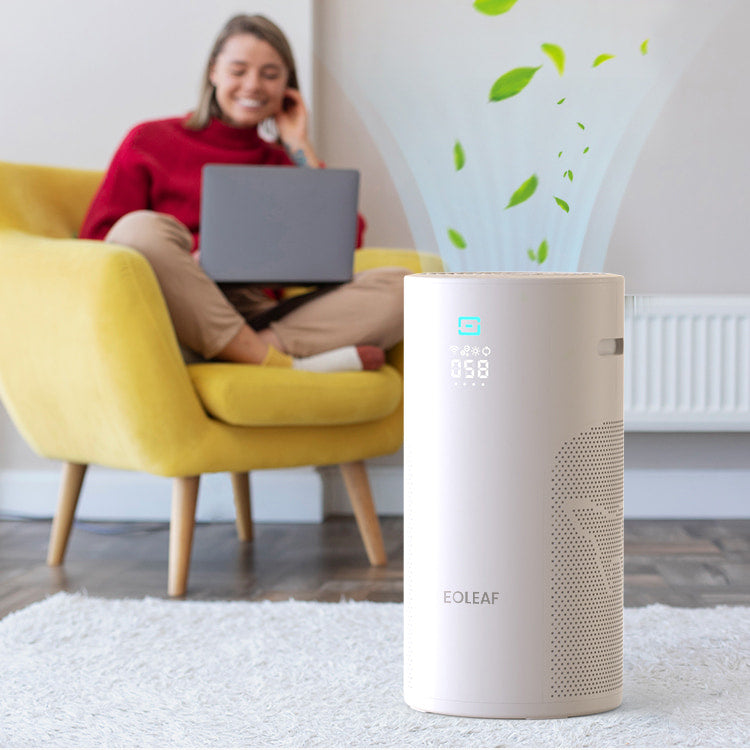
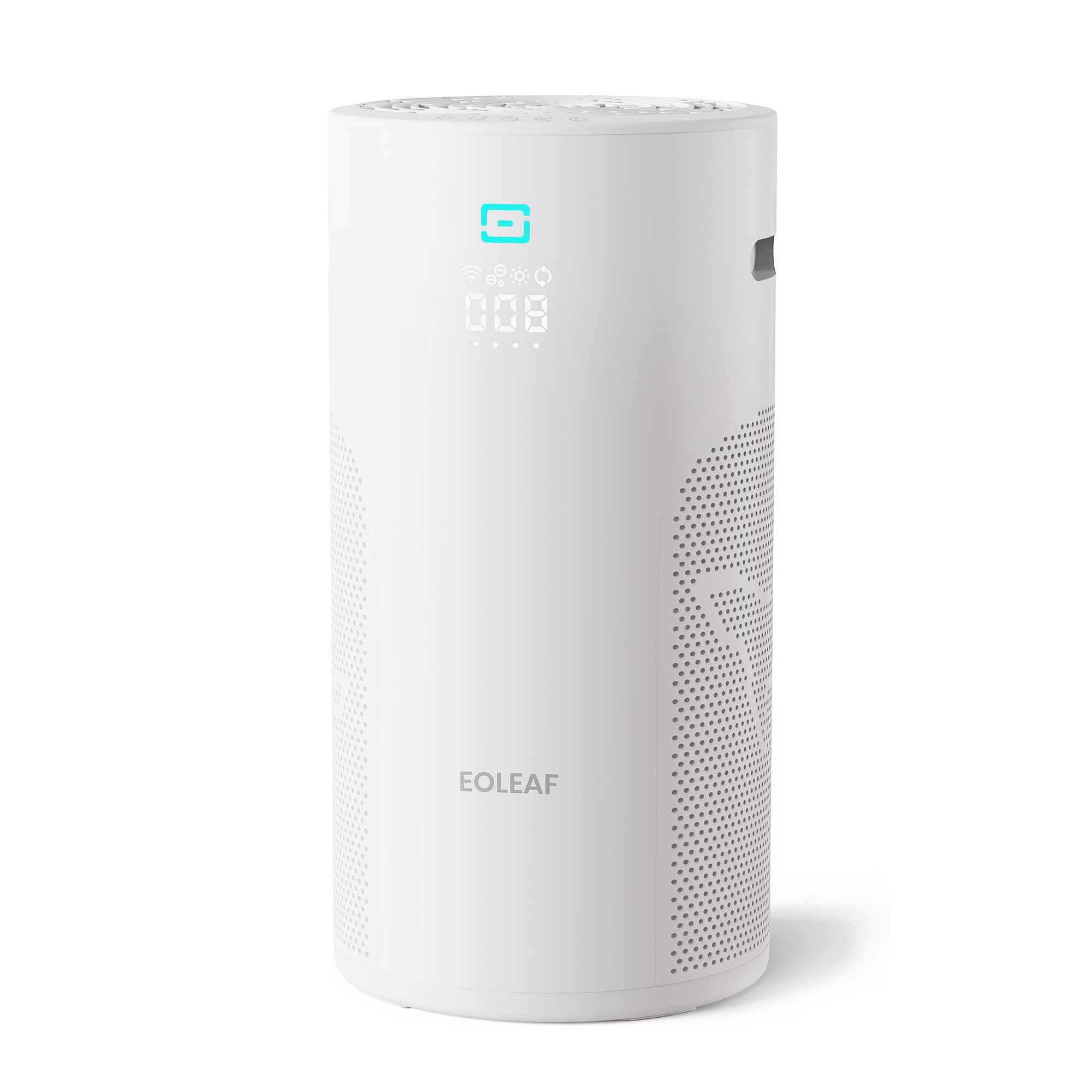
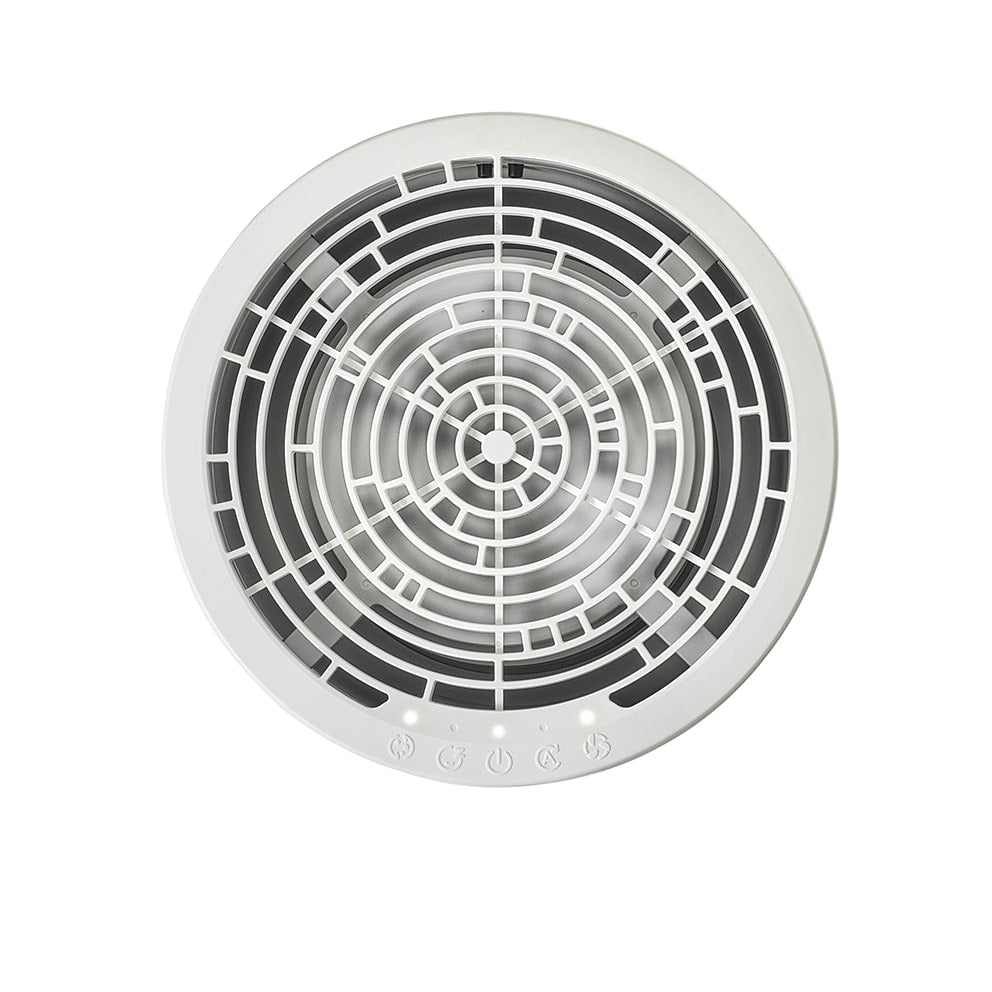
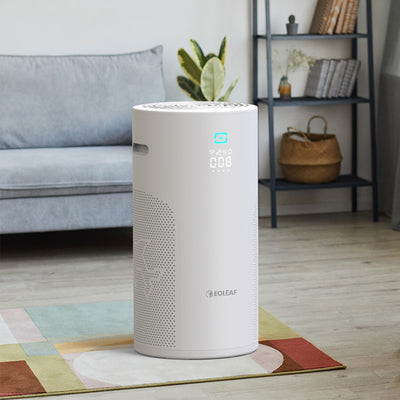
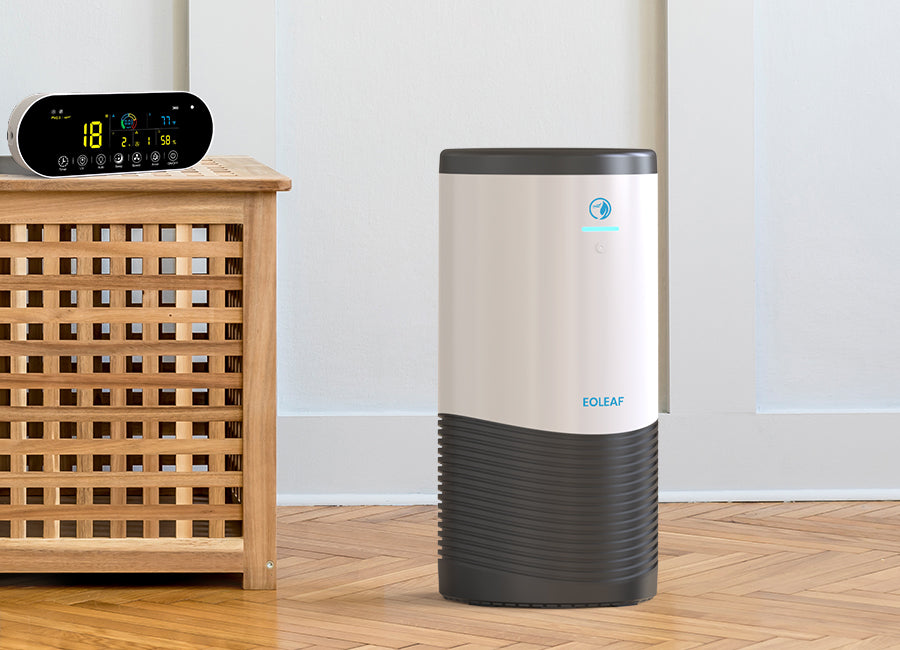
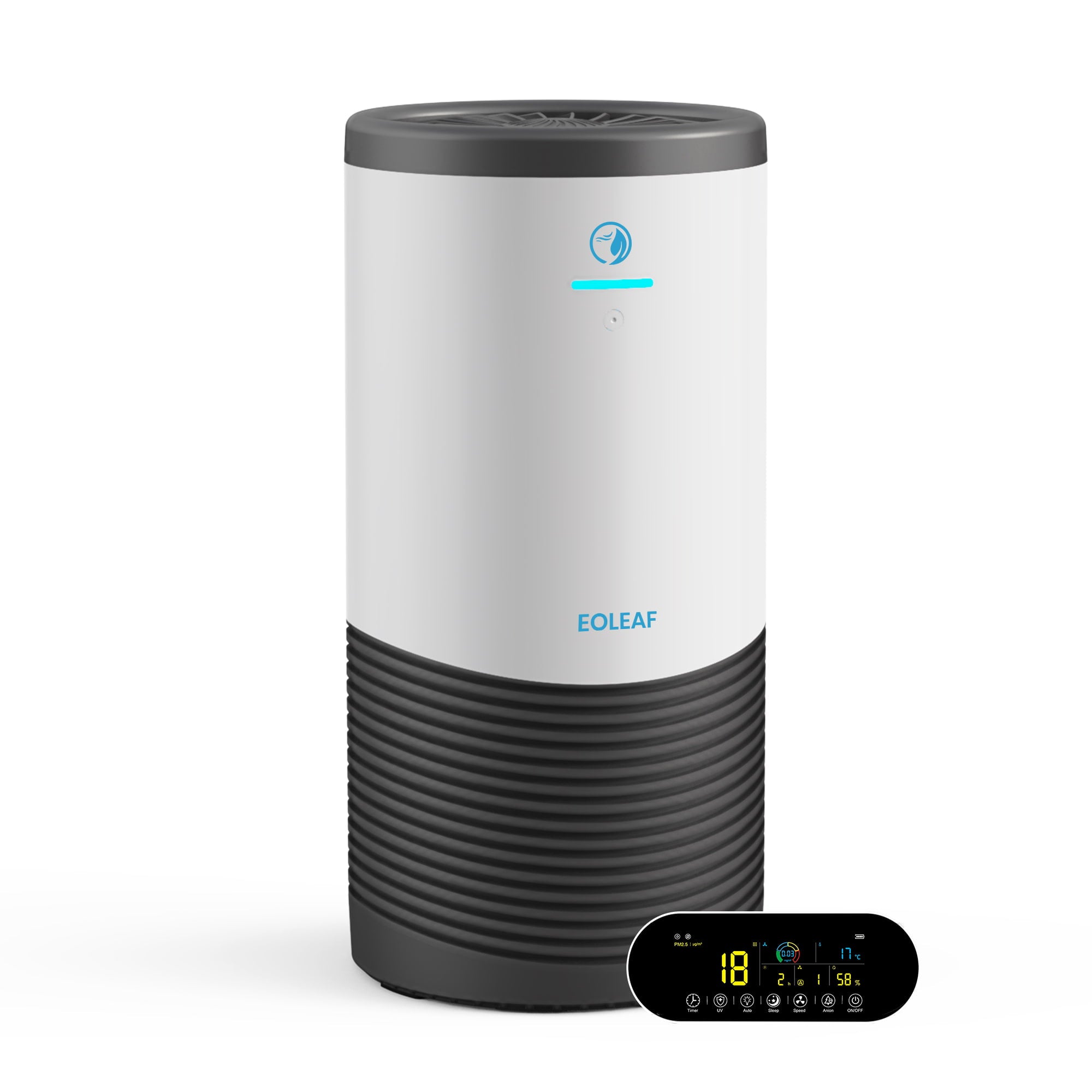
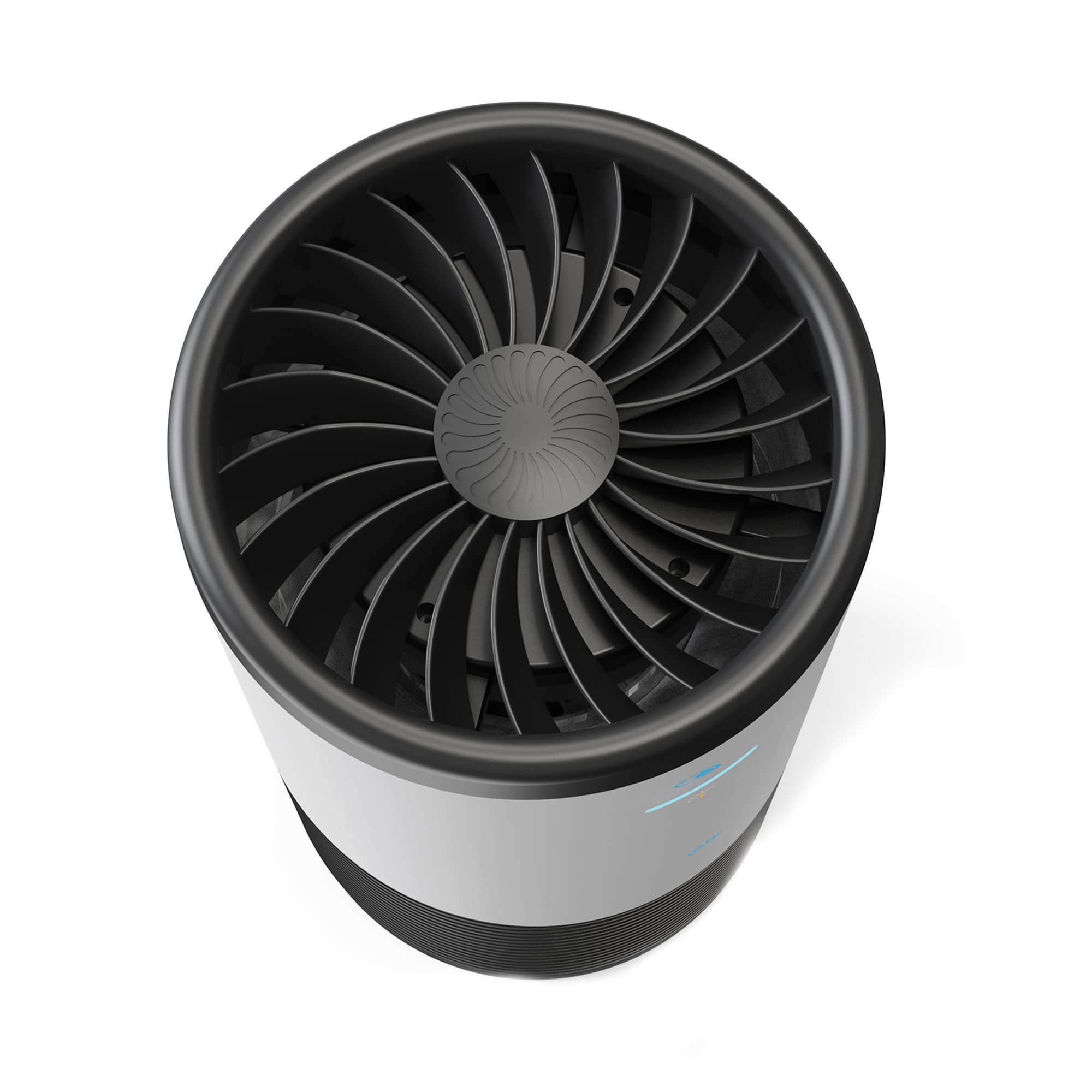
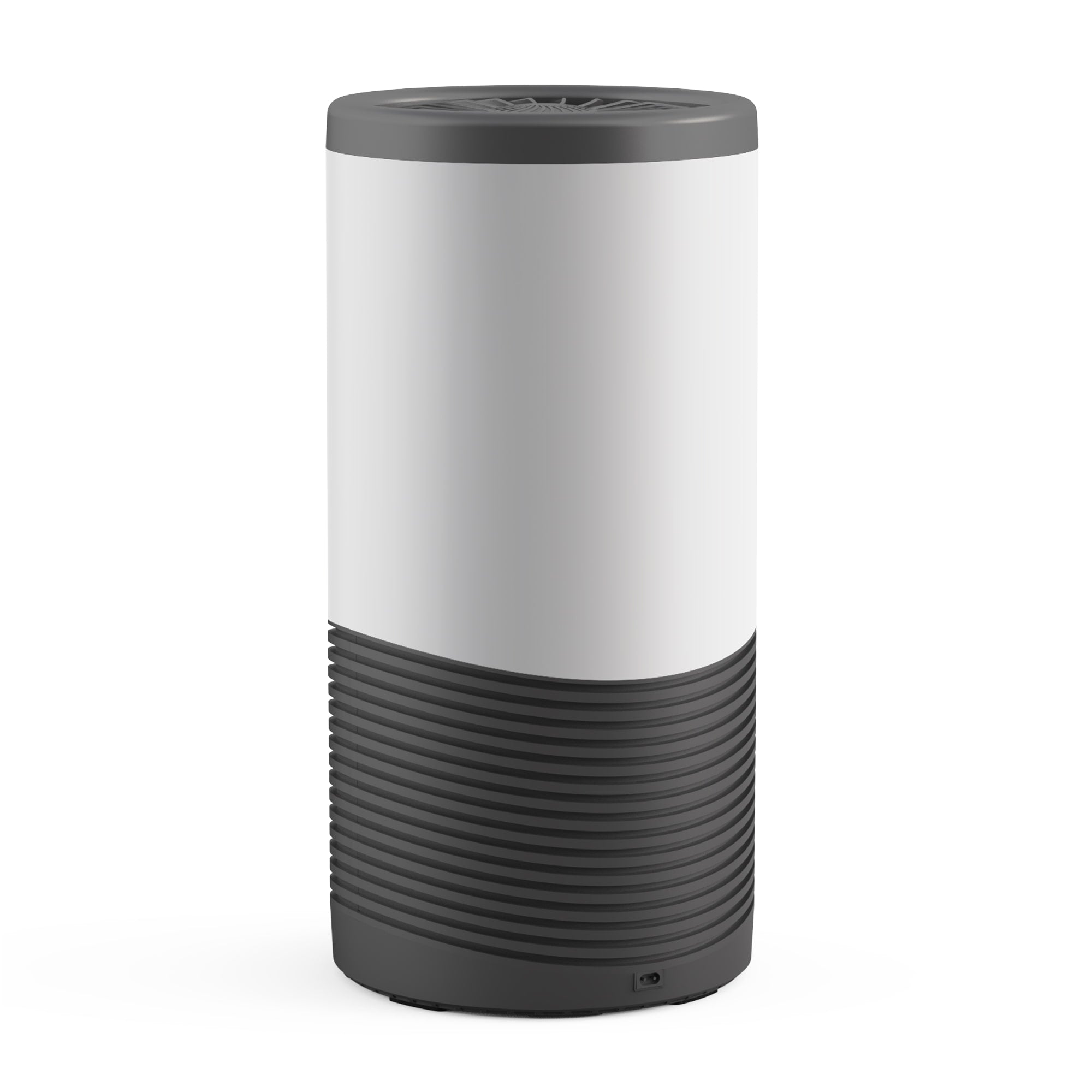
NeoPur 400 luchtreiniger
40 m² dekkingsgebied - Smart & Connected
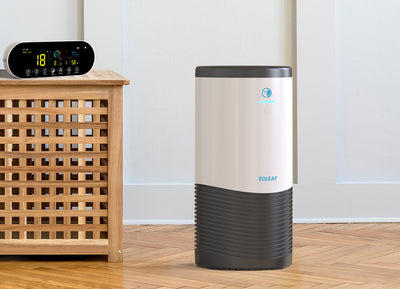
TeraPur 600 luchtreiniger
80 m² dekkingsgebied - Ultieme alles-in-één
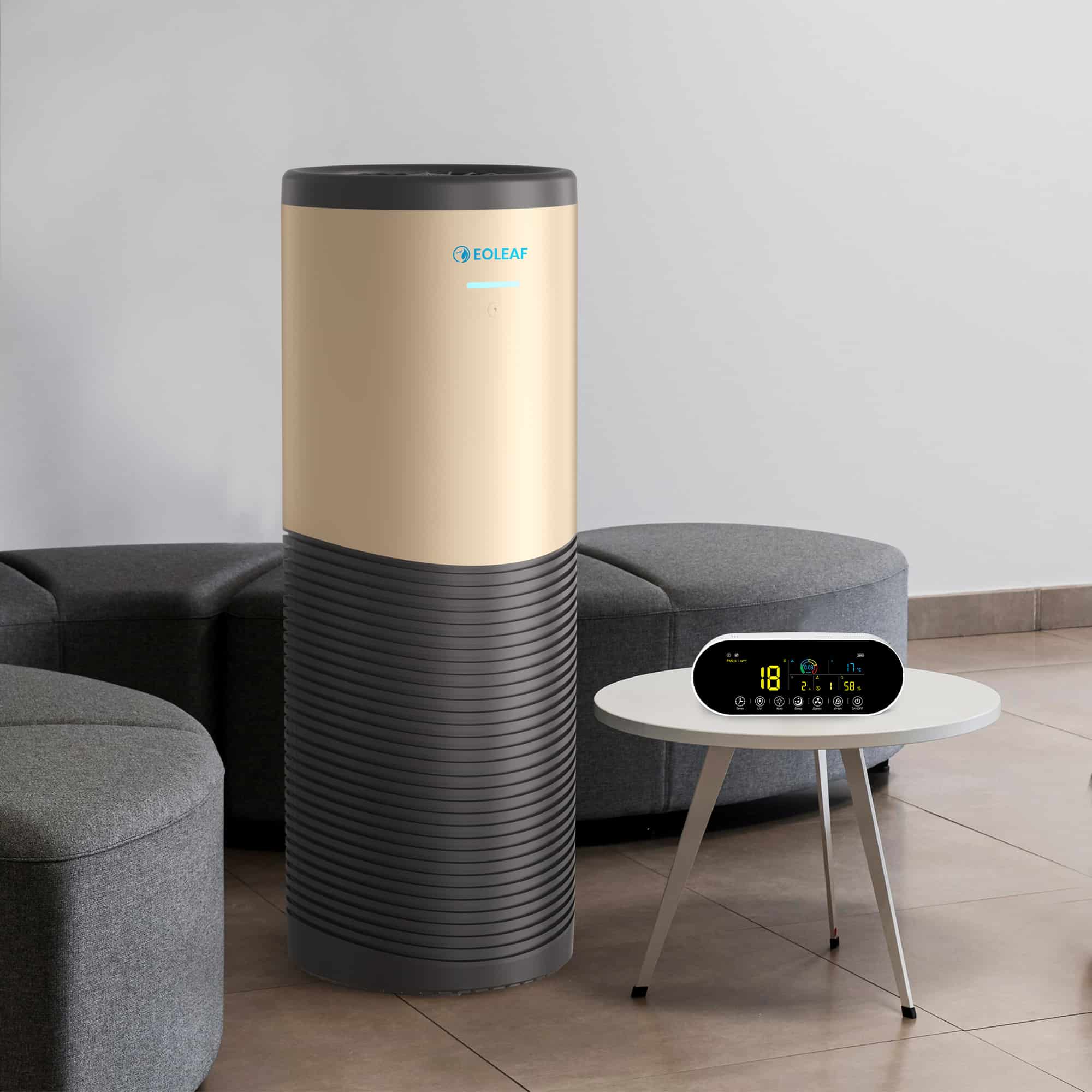
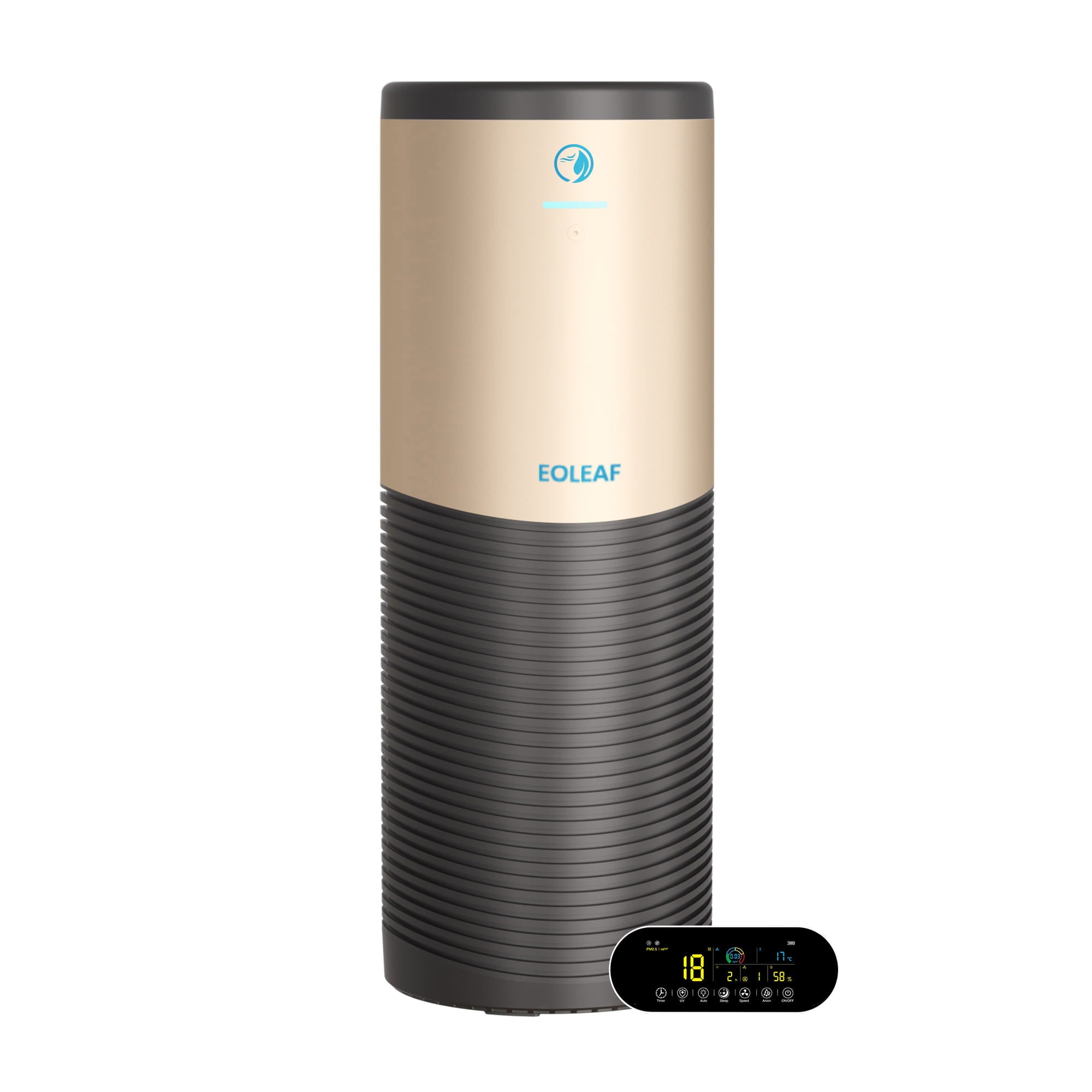
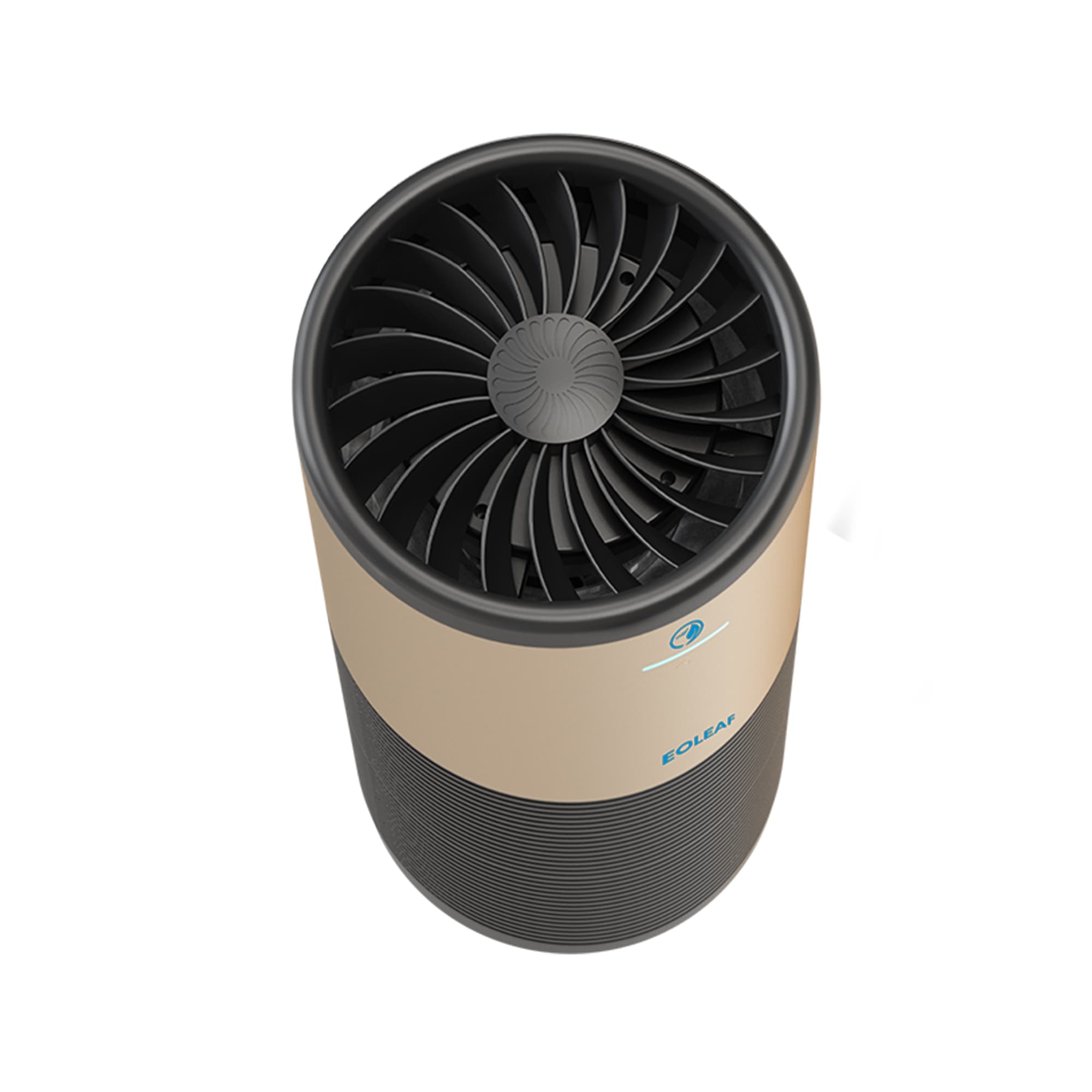
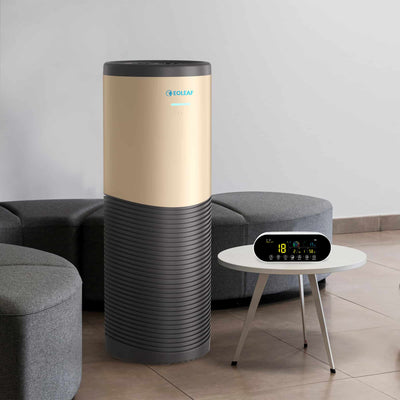
AltaPur 700 luchtreiniger
120 m² dekkingsgebied - Professioneel model
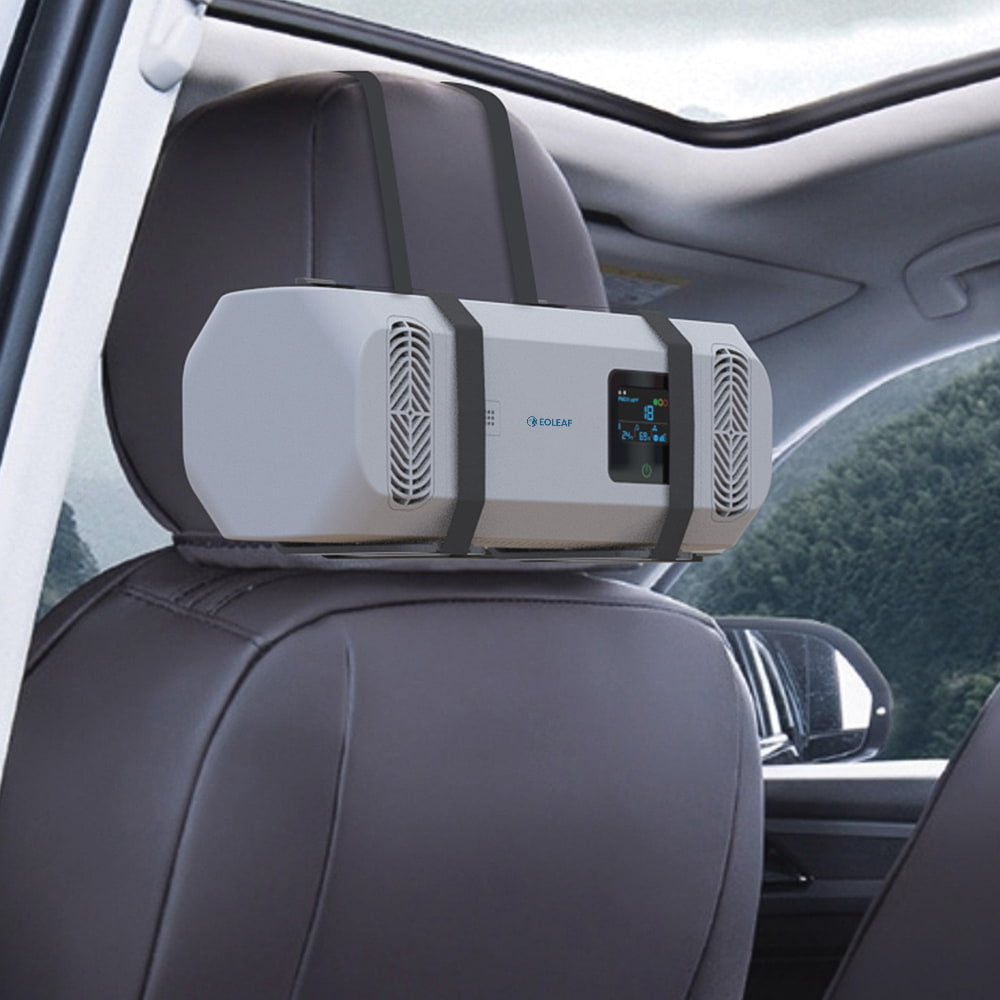
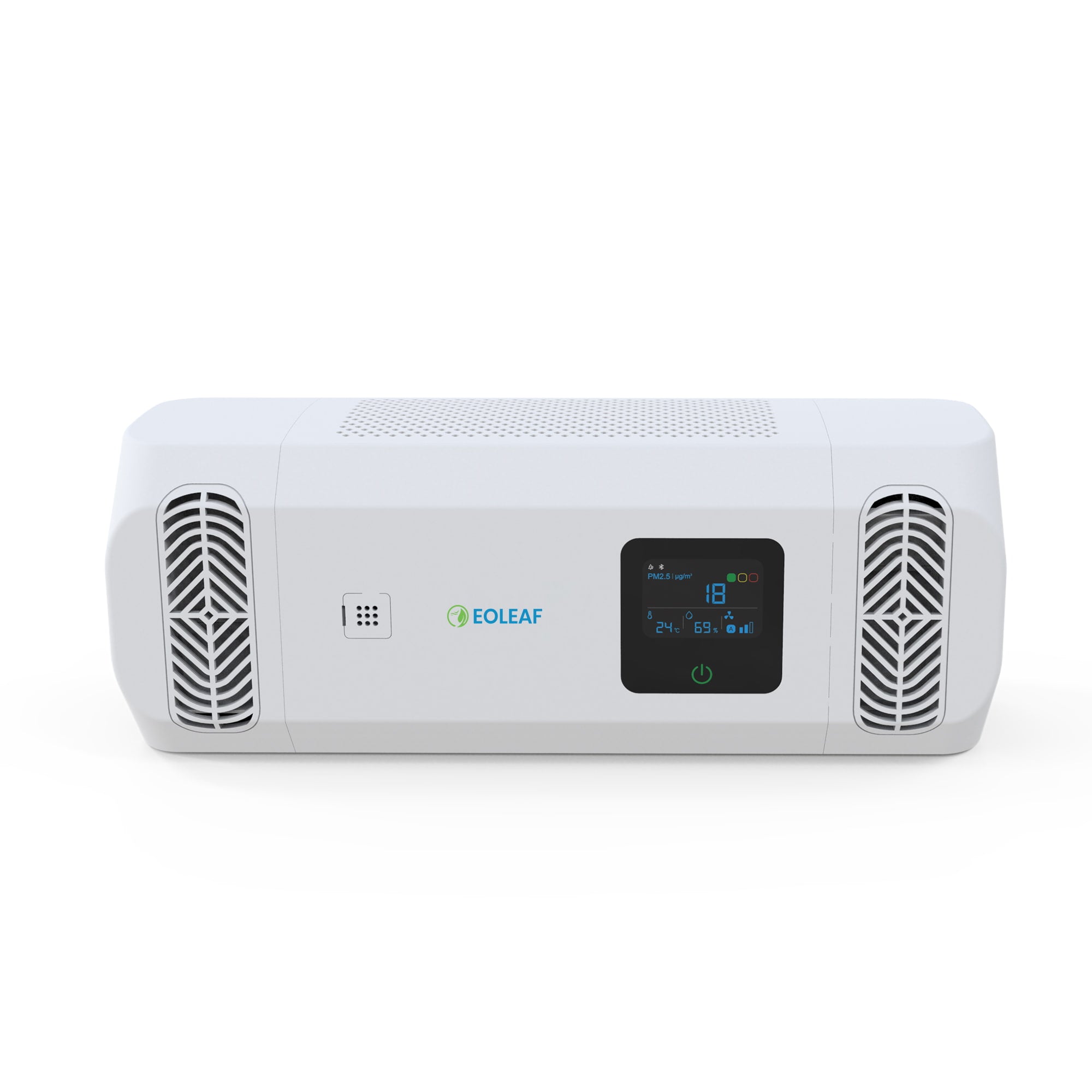
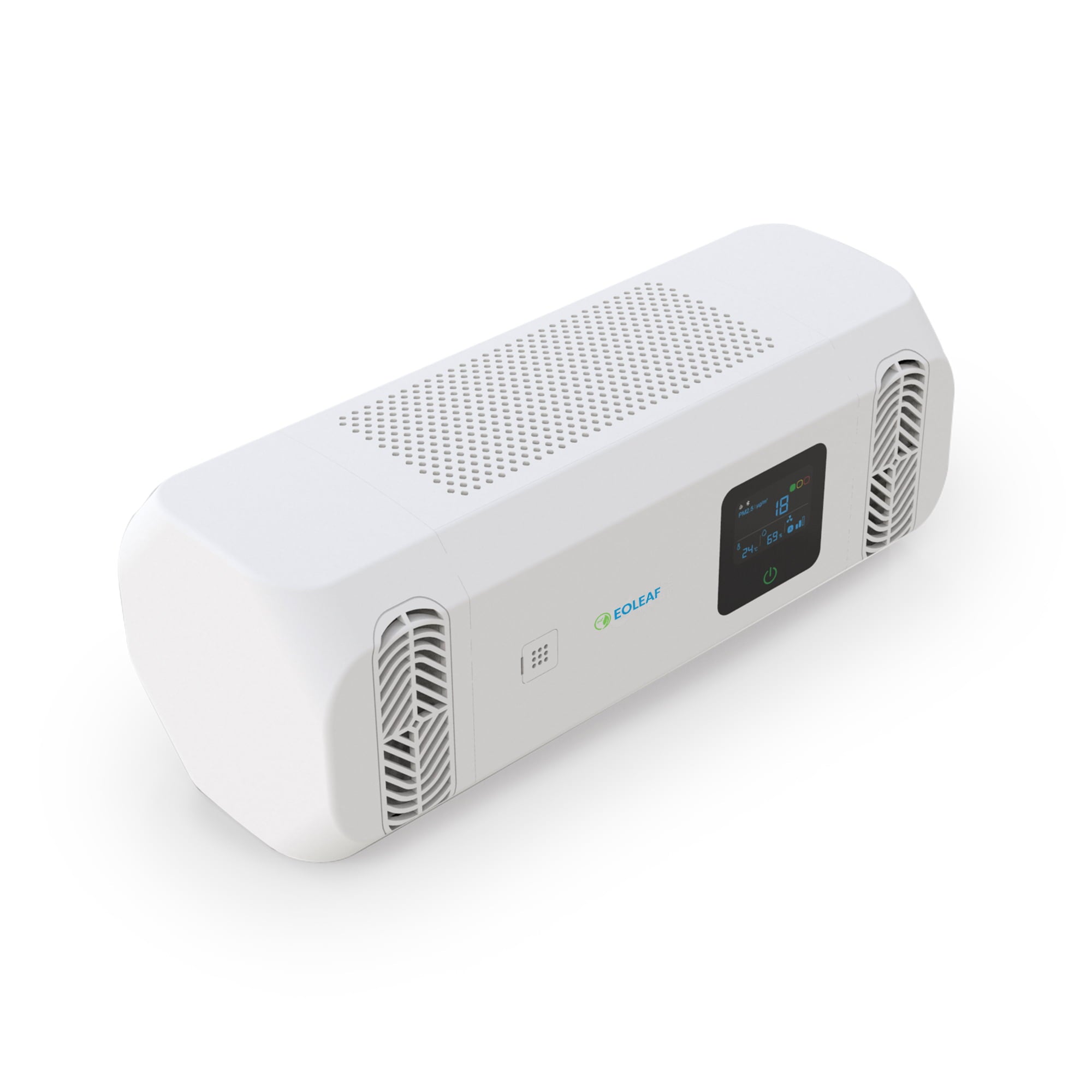
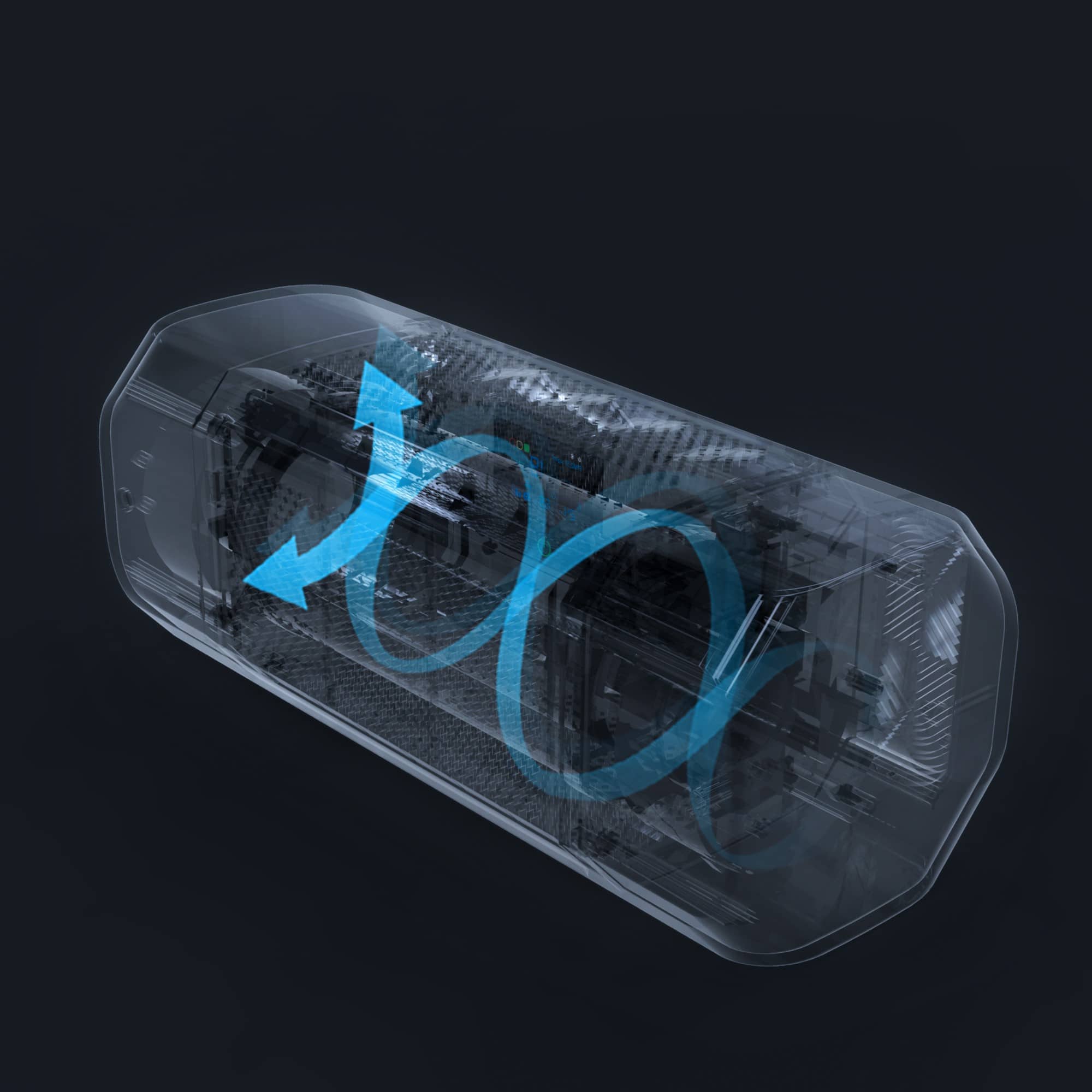
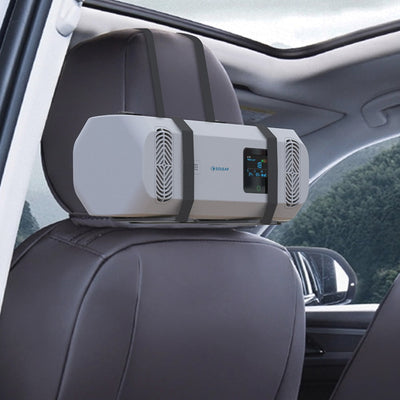
PurCar Auto-luchtreiniger
HEPA H13 Filter & Ionisator - Voor alle voertuigen
Air purification technologies
A high-performance air purifier should be equipped with technologies capable of removing all types of indoor air pollution. This is an essential part of ensuring clean air in your indoor spaces: since multiple types of indoor air pollution exist with varying chemical compositions, an air purifier must contain the right types of technologies in order to target each of these complex chemical structures. During your research for an air purifier, you will likely come across some of the following technologies.
HEPA-filter
HEPA (High-Efficiency Particulate Air) filters are an essential part of an air purifier’s capability to remove fine particles from your indoor air. However, there are questions you must ask yourself when choosing an air purifier with a HEPA-filter:
- Is the HEPA filter certified? Unfortunately, air purifier manufacturers may make HEPA claims without having been third-party tested (certified). If there is no mention of a specific HEPA certification (such as European standards EN 1822 and EN ISO 29463), manufacturers may make claims of a certain filtration rate that may or may not be accurate. If it has not been certified and guaranteed for its efficiency by a third party, this is a red flag.
- Is the phrase “HEPA-type” mentioned? If so, buyer beware! Again, with no HEPA certification, it is impossible to verify the manufacturer’s claims of the air purifier’s efficiency.
- What is the HEPA filter’s grade? This goes along with HEPA certification. When tested and certified, a HEPA filter is assigned a grade depending upon its filtration capacities. Typically, a high-quality, high-performance air purifier will contain a medical-grade HEPA filter, meaning that it has a HEPA grade of H13 or H14.
All Eoleaf products are equipped with HEPA H13-certified filters. They have been laboratory-tested to guarantee the removal of 99.97% of all fine particles down to a size of 0.01 microns in a single pass. All of our filters are certified by the most stringent European standards, including the EN 1822 and EN ISO 29463.
Do note that HEPA filters do have their limitations, even when certified! These filters are incredibly effective at combatting fine particle pollution, but this is the only type of pollution that they are designed to remove. This is why it is essential to complement this filtration technology with other technologies in order to target other forms of indoor air pollution.
Activated carbon
Another essential technology in the fight against indoor air pollution, activated carbon has been used for centuries to filter both water and air. Using the process of adsorption, airborne pollutant particles are attracted to and then stick to the outside of the carbon molecule. Carbon that has been activated means that the surface area has been increased to create more space to which the pollutants can stick. Activated carbon targets chemical pollution (VOCs) and unpleasant odors.
Activated carbon filters vary significantly in quality. As seen throughout this article, it is not enough to simply insert a thin activated carbon sheet into an air purifier and expect optimal results. Activated carbon filters saturate quickly which is why many brands of air purifiers require more frequent changes of their activated carbon filter layer than the fine particle filter. Generally speaking, the heavier the activated carbon, the better efficient it is at removing and storing chemical pollution.
The problem that consumers face is that air purifier manufacturers rarely publish their filter weights (or make this information difficult to find). This is done intentionally and, in our opinion, shows that these manufacturers have something to hide. When they do publish filter weights, it is even rarer to find specific quantities of activated carbon in their technical specifications. Here at Eoleaf, we value transparency, and we make not only our filter weights available to the public, but we also provide quantities of activated carbon in each model (as seen below):
- AltaPur 700: 1280 grams of activated carbon
- TeraPur 600: 640 grams of activated carbon
- NeoPur 400: 400 grams of activated carbon
- PurCar: 30 grams of activated carbon
Our filters are big and heavy, ensuring durability for the full 12-month filter lifespan.

Other essential technologies
Eoleaf takes indoor air purification a step (8 steps!) further. Our devices offer 8 steps of air purification technologies. We engineer our technologies to be redundant, meaning that we have multiple technologies that target the same type of air pollution. Why? This is done to ensure that nothing is left behind and that the second technology will pick up the slack if necessary, optimally protecting your health. Our 8 technologies include:
- Pre-filter: used to protect the filter by removing coarse particles like human and pet hair and large dust and pollen particles
- Natural bamboo fiber filter that is soaked in a… (continue to 3)
- Lysozyme and silver ion coating: bamboo has a complex microstructure that makes it ideal in removing particle pollution, and lysozyme and silver ions are integrated for their antibacterial and antifungal properties
- Medical-grade HEPA H13-certified filter: removes 99.97% of fine and nano particles down to 0.01 micons in a single pass
- Activated carbon filter: targets chemical pollution and VOCs, ozone, carbon monoxide, and unpleasant odors
- Photocatalysis technologies: reduces complex, airborne chemical gases and VOCs
- UVC sterilization technologies: a technology that should be required in all air purifiers in that it combats airborne germs (viruses and bacteria) but also sterilizes your filter, making it safe for handling during filter changes and reducing the risk of recontamination
- Ionization: releases negative ions which bind to air pollutants (which are usually positively-charged), weighing them down and pulling them down to the ground, protecting your respiratory system from potential inhalation

How to measure and track your indoor air quality
Using an air quality sensor: integrated in Eoleaf products
It is impossible to manage what you cannot measure. Investing in an Eoleaf air purifier means also investing in an air purifier that provides you the most precise air quality data thanks to their PM2.5 and HCHO (formaldehyde) sensors. Since our air purifiers are smart and app-compatible, they allow you to gain a full understanding of your indoor air quality trends over time.
Analyze local data
By comparing your indoor sensors with Atmo Hauts-de-France data, you can develop a way to protect your family or employees during peak pollution days.
Where to buy an Eoleaf air purifier in Lille?
Purchase an Eoleaf air purifier from anywhere
Breathe the air you deserve. Thanks to our convenient online purchasing system, you can purchase an Eoleaf air purifier from anywhere in the world, including Lille! Browse our range of air purifiers at www.eoleaf.com for fast delivery in the Nord department (59) and expert support from our French-based team.

Sources
1 Adegbite, Aderonke. "Cultural Dimensions in Addressing Transboundary Pollution: South African and Nigerian Perspectives." Beijing Law Review, vol. 16, no. 1, Mar. 2025, pp. 591-609. https://doi.org/10.4236/blr.2025.161028.
2 Atmo Hauts-de-France. (2024). Bilan annuel de la qualité de l'air dans la Métropole Européenne de Lille (MEL).
3 Britannica Editors. "Lille." Encyclopedia Britannica, 20 Apr. 2026,https://www.britannica.com/place/Lille. Accessed 21 Apr. 2026.
4 Santé Publique France. (2023). Estimation de l'impact de la pollution atmosphérique sur la mortalité en région Hauts-de-France.
5 World Health Organization (WHO). (2021). Air Quality Guidelines for Particulate Matter and Nitrogen Dioxide.
Het assortiment luchtreinigers van Eoleaf
NeoPur 400 luchtreiniger
40 m² dekkingsgebied - Smart & Connected
TeraPur 600 luchtreiniger
80 m² dekkingsgebied - Ultieme alles-in-één
AltaPur 700 luchtreiniger
120 m² dekkingsgebied - Professioneel model
PurCar Auto-luchtreiniger
HEPA H13 Filter & Ionisator - Voor alle voertuigen